Business Insurance
General Liability Insurance For Electricians in Arizona
★★★★★ 150+ Five-Star Reviews · Google & Facebook
Running an electrical contracting business in Arizona means dealing with extreme heat, sprawling new construction, and a regulatory environment that doesn't leave much room for error. A single claim from a damaged property or an injured third party can wipe out years of profit, and the wrong insurance setup can leave you exposed at exactly the wrong moment. For Arizona electricians, understanding how general liability insurance works, what coverage limits actually make sense, and which carriers are willing to write your class of business isn't optional: it's the foundation of staying in business. Whether you're pulling wire in a new Scottsdale subdivision or retrofitting panels in a Tucson strip mall, the details of your policy matter more than most contractors realize. This guide breaks down Arizona-specific requirements, coverage structures, carrier appetite, and the practical steps to get properly insured without overpaying.
The Role of General Liability Insurance in Arizona's Electrical Industry
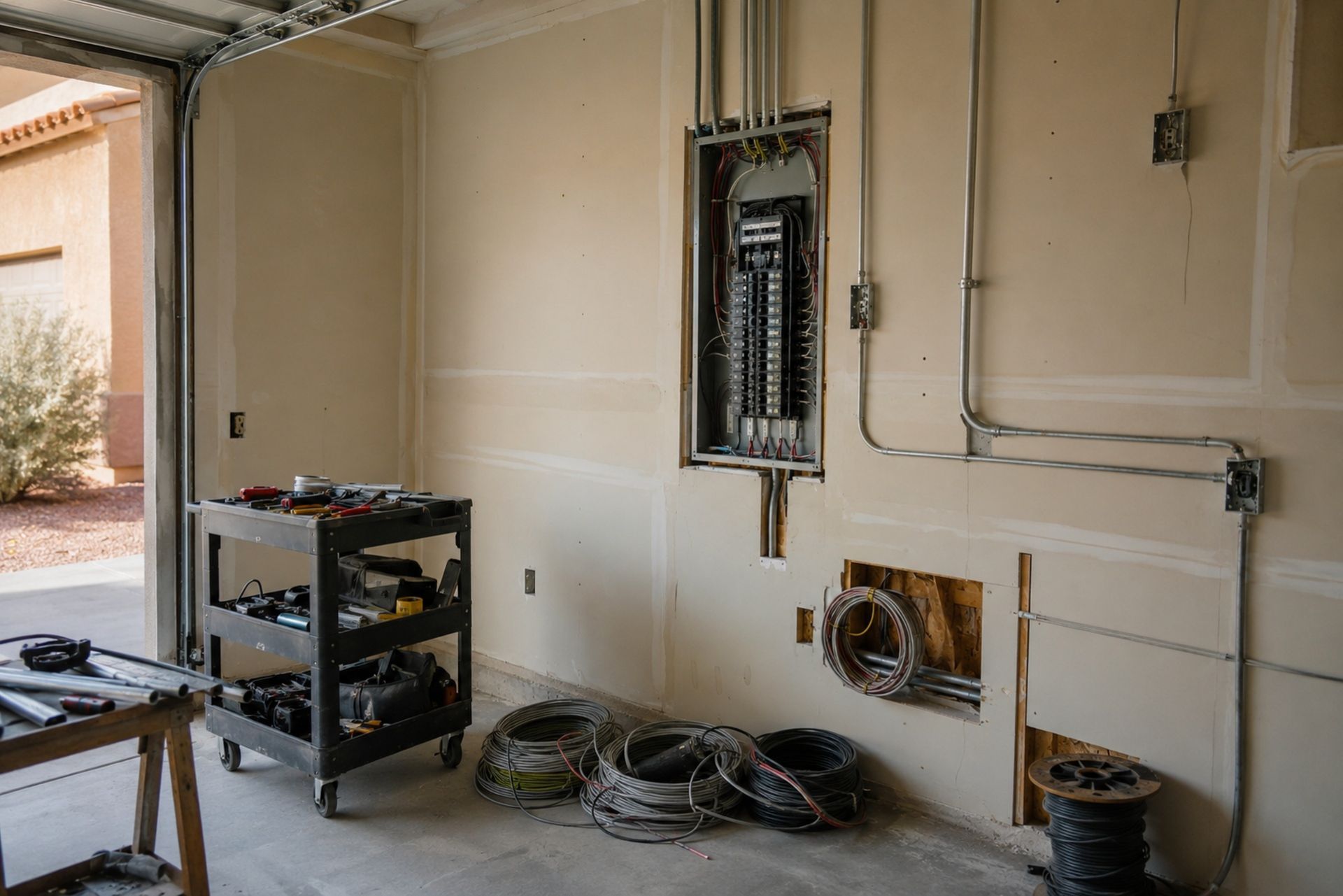
General liability insurance is the primary financial shield between your electrical contracting business and the lawsuits, property damage claims, and bodily injury allegations that come with the territory. Arizona's construction sector has been booming for years, and with that growth comes a corresponding rise in claims. Every time you step onto a job site, you're carrying risk: a misrouted conduit damages drywall, a homeowner trips over your equipment, or a fire breaks out months after you've finished a job. Your GL policy is what responds to those scenarios.
Arizona doesn't technically mandate general liability insurance by statute the way it does workers' compensation. But practically speaking, you can't operate without it. General contractors won't sub you onto a job, commercial property owners won't grant access, and your reputation won't survive an uninsured claim.
Arizona Registrar of Contractors (ROC) Bond vs. Liability Insurance
New electricians in Arizona sometimes confuse the ROC contractor bond with liability insurance. They're not the same thing. The ROC bond, required for licensure, protects consumers if you fail to complete work or violate your contract. It does not cover third-party bodily injury or property damage. The bond amount for residential electrical contractors is typically $2,500 to $7,500 depending on license classification, which wouldn't even cover a minor property damage claim.
Your GL policy picks up where the bond leaves off. It covers defense costs, settlements, and judgments when someone alleges your work caused harm. Think of the bond as your license to operate and GL as your license to survive.
Protecting Assets from Construction Defect Litigation
Arizona's construction defect laws give homeowners and property owners significant legal avenues to pursue claims. The state follows a notice-and-repair process under A.R.S. § 12-1361, but that doesn't prevent lawsuits from landing on your desk. Electrical defect claims, think faulty wiring causing fires or code violations discovered during resale inspections, can trigger six-figure litigation costs even when you did nothing wrong. Your GL policy's duty to defend is arguably more valuable than the indemnity itself, because legal fees alone can bankrupt a small shop.

By: Michael Fusco
President of Joule Pro
INDEX
The Role of General Liability Insurance in Arizona's Electrical Industry
Determining Optimal Coverage Limits for Arizona Electricians
State-Specific Risks and Required Policy Endorsements
Understanding Carrier Appetite for Electrical Contractors
Factors Influencing Insurance Premiums in the Grand Canyon State
Steps to Securing and Maintaining Compliant Coverage
Making the Right Choice for Your Arizona Electrical Business
Joule Pro is a specialty insurance and risk program of Fusco Orsini & Associates Insurance Services, built exclusively for electrical contractors and licensed in 31 states.
We work with electrical firms across the country — from California, Texas, Florida, New York, and coast to coast — placing General Liability, Workers' Compensation, Commercial Auto, Inland Marine, Surety Bonds, Excess Liability, and full specialty coverage stacks for commercial, industrial, service, residential, and low-voltage electrical contractors. Joule Pro is not a separate licensed entity. It is a dedicated program structure inside Fusco Orsini, giving electrical contractors access to specialty carriers, in-house claims advocacy, and trade-specific risk engineering under one program.
Determining Optimal Coverage Limits for Arizona Electricians
Choosing the right coverage limits isn't about picking the cheapest option. It's about matching your exposure to the work you actually perform and the contracts you sign.
Standard 1M/2M Limits vs. High-Limit Commercial Policies
The industry standard for electrical contractors is a $1,000,000 per-occurrence / $2,000,000 aggregate policy. Standard $1M/$2M general liability policies for Arizona electricians typically cost between $800 and $1,500 annually, though comprehensive packages can run higher depending on payroll and scope of work. For most residential service electricians and light commercial contractors, these limits are sufficient.
That said, if you're bidding on larger commercial projects or public works, you'll often need $2M/$4M or even $5M limits. Umbrella or excess liability policies can bridge that gap without requiring you to rewrite your primary GL.
| Coverage Level | Per Occurrence | Aggregate | Best For |
|---|---|---|---|
| Standard | $1,000,000 | $2,000,000 | Residential service, small commercial |
| Mid-Tier | $2,000,000 | $4,000,000 | General commercial, tenant improvements |
| High-Limit | $5,000,000+ | $10,000,000+ | Public works, large GC requirements |
Contractual Requirements for Residential and Public Works Projects
Most general contractors in Arizona require their electrical subs to carry at minimum $1M/$2M GL with the GC named as additional insured. Public works projects funded by municipalities or state agencies frequently require $2M/$4M or higher. Failing to meet these thresholds means you don't get the job, period. Review your contracts carefully before bidding: the insurance requirements are usually buried in the supplemental conditions, and missing them wastes everyone's time.
State-Specific Risks and Required Policy Endorsements
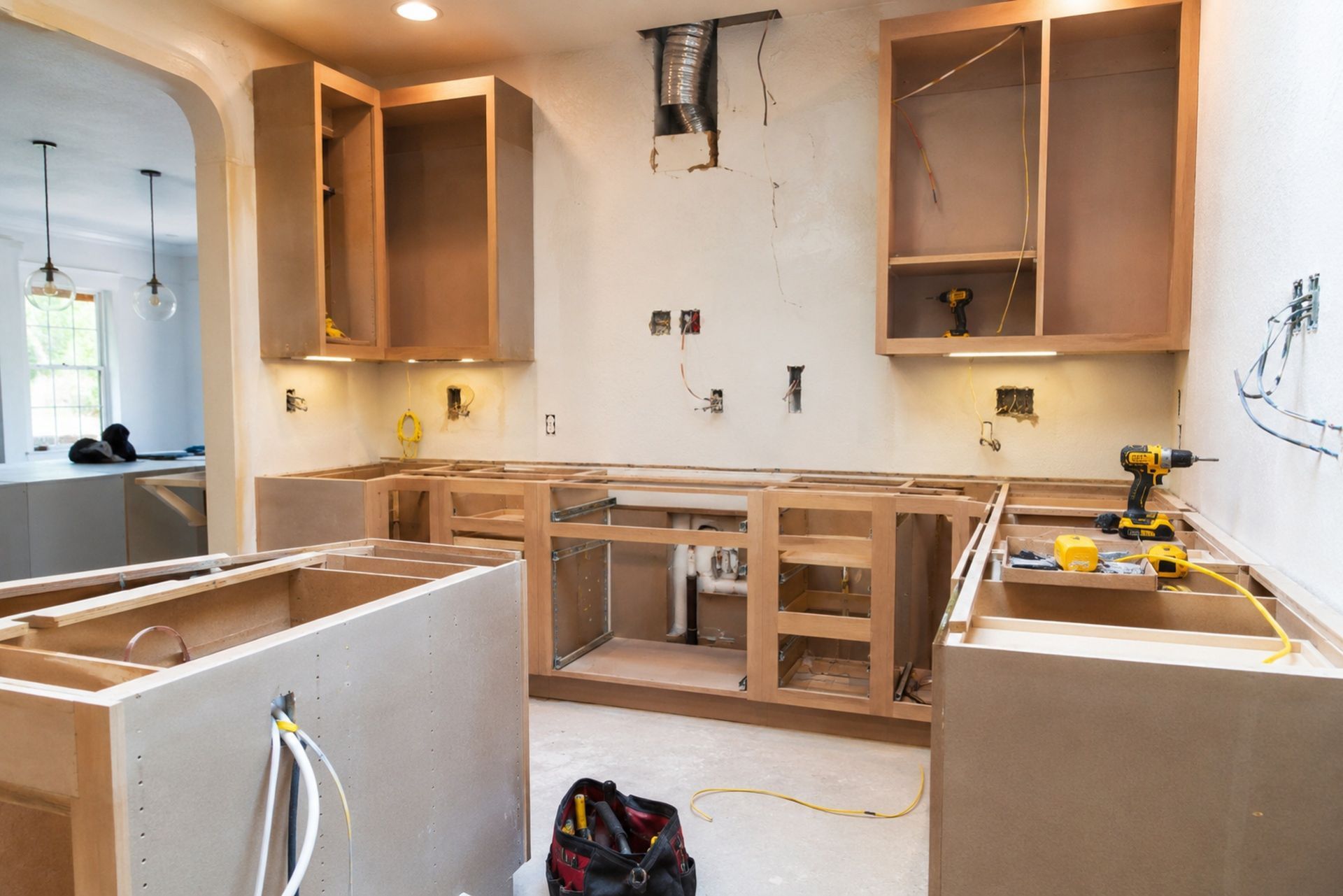
Arizona's climate and construction patterns create risks that generic policies don't always address. Dust storms, extreme heat cycling, and the sheer volume of new residential construction all shape your exposure profile.
Completed Operations and Product Liability for Electrical Systems
Completed operations coverage is the portion of your GL policy that responds to claims arising after you've finished a job and left the site. For electricians, this is critical. An electrical fire that starts six months after you wired a panel is a completed operations claim. Many contractors don't realize that some policies exclude or sublimit this coverage, leaving a massive gap. Make sure your policy includes products and completed operations with the same limits as your premises/operations coverage.
Blanket Additional Insured and Waiver of Subrogation
Almost every subcontract you sign in Arizona will require you to add the general contractor as an additional insured on your GL policy. A blanket additional insured endorsement handles this automatically without requiring individual endorsements for each project. Similarly, waiver of subrogation endorsements prevent your insurer from going after the GC's insurance to recover claim payments. Both endorsements are standard requests, and a specialty program like Joule Pro can typically include them at policy inception so you're not scrambling to add them mid-project.
Understanding Carrier Appetite for Electrical Contractors
Not every insurance carrier wants to write electrical contractors. The class code (NCCI 5190 for most electrical work) carries inherent fire and property damage risk that makes some carriers nervous. Understanding which carriers have appetite for your specific type of work saves you from wasted applications and declined submissions.
Preferred Risks: Residential Service and Light Commercial
Carriers generally favor electricians doing residential service calls, panel upgrades, and light commercial tenant improvements. This work is predictable, lower in severity, and generates fewer large claims. If your business fits this profile, you'll have more carrier options and better pricing. Clean loss history, proper licensing, and documented safety programs make you even more attractive.
High-Hazard Exclusions: Industrial High-Voltage and Solar Work
Industrial electrical work involving high-voltage systems (above 600V) significantly narrows your carrier options. The same applies to solar installation, which many standard GL carriers exclude entirely or price aggressively due to roof-related property damage exposure. If your business includes these operations, you need a broker with access to specialty markets. Joule Pro, for example, maintains underwriter relationships specifically designed for electrical trade risks, including harder-to-place operations that generalist agencies struggle to quote.
Factors Influencing Insurance Premiums in the Grand Canyon State
Your premium isn't a random number. It's calculated from specific rating factors that you can influence.
Payroll, Gross Receipts, and Subcontractor Ratios
GL premiums for electricians are typically rated on payroll or gross receipts. Higher payroll means more field exposure, which means higher premiums. If you use subcontractors extensively, carriers will want to see certificates of insurance from each sub. Uninsured subs get added to your payroll for rating purposes, which can double or triple your premium unexpectedly. Keep a current certificate file for every subcontractor, every year.
Here's a rough breakdown of how rating factors affect your annual premium:
A solo electrician with $75,000 in annual payroll might pay $800 to $1,200 for standard GL
A five-person shop with $400,000 payroll and one uninsured sub could see premiums jump to $3,000 or more
Adding solar or high-voltage classifications can increase rates by 30% to 50%
Impact of Claims History and ROC Complaint Records
Your claims history over the past three to five years is the single biggest factor in your renewal pricing. Even one paid claim can increase your premium by 15% to 25%. Multiple claims may make you uninsurable in the standard market entirely. Arizona's ROC also maintains public complaint records, and some underwriters check these during the quoting process. A pattern of consumer complaints signals risk, even if those complaints didn't result in paid insurance claims.
Steps to Securing and Maintaining Compliant Coverage
Getting the right policy in place requires more than filling out an online form. Here's a practical sequence that works:
- Gather your current ROC license, three years of loss runs from prior carriers, and your most recent tax return or financial statement showing gross receipts and payroll.
- Identify the types of work you perform and the contracts you're pursuing. This determines your classification codes and required limits.
- Work with a producer who specializes in electrical contractor insurance. Generalist agents often lack access to the specialty carriers that offer the best pricing and broadest coverage for your class. Joule Pro's team handles quotes, proposals, and binders through direct licensed producer access, not a self-serve portal.
- Review the policy carefully before binding. Confirm that completed operations, blanket additional insured, and waiver of subrogation endorsements are included.
- Set calendar reminders 60 days before renewal to update your payroll estimates and sub certificates. Audit surprises are expensive and avoidable.
Maintaining compliance means keeping your certificates current, reporting changes in operations promptly, and never letting coverage lapse. A gap in coverage, even for a day, can disqualify you from contracts and trigger ROC scrutiny.
FAQ
Do I need general liability insurance to get my Arizona electrical contractor license? No. The ROC requires a surety bond, not GL insurance. But you'll need GL to win contracts, access job sites, and protect your business from lawsuits.
What's the difference between occurrence and claims-made GL policies? Occurrence policies cover incidents that happen during the policy period regardless of when the claim is filed. Claims-made policies only cover claims reported while the policy is active. Most electrical contractors should carry occurrence-form policies.
Can I bundle GL with other coverages? Yes. A Business Owner's Policy or contractor's package can combine GL with commercial property, inland marine (tools and equipment), and sometimes commercial auto. Bundling usually saves 10% to 15% over standalone policies.
Will my GL policy cover damage from faulty work I did last year? Only if your policy includes completed operations coverage and was active when the work was performed. Check your policy's retroactive date and completed operations limits.
How fast can I get a certificate of insurance for a new project? With a specialty program, same-day certificates are common. If your broker needs to submit to underwriting first, expect two to five business days.
Making the Right Choice for Your Arizona Electrical Business
Arizona's electrical contracting market rewards businesses that treat insurance as a strategic investment rather than a grudging expense. The right GL policy with proper limits, endorsements, and a carrier that actually wants your business protects your license, your assets, and your ability to win work. Don't settle for a generic policy from an agent who writes electricians the same way they write landscapers. Your trade carries specific risks, and your coverage should reflect that. If you're ready to get a quote tailored to your electrical contracting operations, reach out to the Joule Pro team for a no-obligation review of your current coverage.

Founder & CEO
The Force Behind the Program
About the Author:
Michael Fusco.
Fusco Orsini & Associates
Joule Pro exists because Mike Fusco saw electrical contractors getting boilerplate insurance — and built a program designed for the way the trade actually works.
Mike is the CEO and co-founder of Fusco Orsini & Associates, the San Diego–based independent agency he launched in 2010. Under his leadership FOA has grown into a nationwide partner serving clients across 31 states, with a personal, client-first approach to commercial insurance and risk.
With over 20 years in insurance and risk management, he specializes in tailored programs spanning general liability, workers' compensation, surety bonding, and employee benefits — helping owners confidently manage risk and pursue growth.
Mike holds a B.S. in Business from the University of Maryland — Robert H. Smith School of Business, and the Certified Insurance Counselor (CIC) designation, held by fewer than 3% of insurance professionals nationwide.
What Our Clients Say
Trusted by Electrical Contractors Across the Country.
5.0
★★★★★
Google reviews
Core Commercial Coverage
Business Insurance for Electrical Contractors.
The fundamentals — written, structured, and priced for electrical risk. Each line is reviewed annually by an underwriter who only writes our trade.
01
General Liability
Premises & completed-operations coverage with electrical-specific endorsements and full pollution carve-back options.
02
Workers' Compensation
Class-code optimization, experience-mod review, and return-to-work programs designed for energized-work exposures.
03
Commercial Auto
Fleet, hired & non-owned auto, and tools-in-transit coverage written for service vans and bucket trucks.
04
Tools & Equipment
Scheduled and blanket coverage for tools, test equipment, scissor lifts, and contractor's equipment on-site or in-transit.
05
Surety Bonds
Bid, performance, and payment bonds — single-job and aggregate programs for commercial & public-works contracts.
06
Commercial Property
Layered limits up to $50M with carrier panels covering your shop, warehouse, yard, and on-premises tools, materials, and equipment.
Who We Serve
Electrical Contractors We Specialize In.
From $5M service shops to $250M industrial primes — every Joule Pro program is shaped to the contractor's revenue mix and project profile.
01 / Industrial
Commercial & Industrial Electrical Contractors
High-voltage, substation, and plant electrical work. Pollution, builder's risk, and large-deductible WC programs.
02 / Service
Service & Residential Electrical Contractors
Service-call shops, panel upgrades, and EV charging installers. Auto-fleet, GL, and tool-coverage programs.
03 / Low-Voltage
Specialty & Low-Voltage Contractors
Data, fire-alarm, security, and BMS controls. Cyber, professional liability, and follow-form excess.
Frequently Asked Questions
Common
Questions From
Electrical Contractors.
What size electrical contractors do you write?
Joule Pro is built for licensed electrical firms from roughly $2M in revenue to $250M+. Below $2M we typically refer to our small-business desk; above $250M we underwrite individually with our industrial practice team.
Do I need to be licensed in multiple states?
No. We license you wherever you work. Joule Pro is admitted in 31 states and our compliance team handles multi-state filings, prevailing-wage endorsements, and certificate-of-insurance requirements.
How is Joule Pro different from a generic contractor program?
Generic programs use a contractor's questionnaire that treats you like a roofer. We use forms written for energized work, arc-flash exposures, and design-build risk — and our carriers price accordingly.
What does the claims process actually look like?
Every Joule Pro client is assigned a named claims advocate at bind. They take the FNOL, set strategy with your assigned attorney, and serve as your single point of contact through close.
Can you bond large public-works contracts?
Yes. Through our surety partners we write single-job bonds up to $75M and aggregate programs to $300M, with expedited turnarounds for school district, federal, and DOT work.
What happens at renewal?
Your producer and claims advocate jointly run a renewal review 90 days out — covering loss trends, exposure changes, and market alternatives — so renewal day is a confirmation, not a surprise.
From the Blog
Insights for Electrical Contractors.
Risk briefings, claim post-mortems, and program updates — written by our underwriters and risk engineers.


Get Started
Get a Quote on a Program Built Around Your Trade.
A 30-minute discovery call is the only commitment. You'll leave with a written gap analysis of your current program — yours to keep, whether you bind with us or not.