
Business Insurance
Pennsylvania Electrician Insurance
★★★★★ 150+ Five-Star Reviews · Google & Facebook
Pennsylvania has over 2,500 municipalities, and a huge number of them have their own rules about what insurance an electrician needs to carry before pulling a permit. That fragmented system means getting an insurance quote for electrical work in the Commonwealth isn't as simple as calling one agent and checking a box. Your coverage needs shift depending on whether you're wiring a row home in Philly, bidding a municipal project in Allegheny County, or running residential service calls in Lancaster. The right policy stack protects your license, your crew, and your ability to win work - but only if you understand what Pennsylvania specifically demands. This guide breaks down the coverage types, licensing quirks, bonding obligations, and carrier appetite factors that directly affect what you'll pay and what you'll get on a Pennsylvania electrician insurance quote.
Core Insurance Coverages for Pennsylvania Electrical Contractors
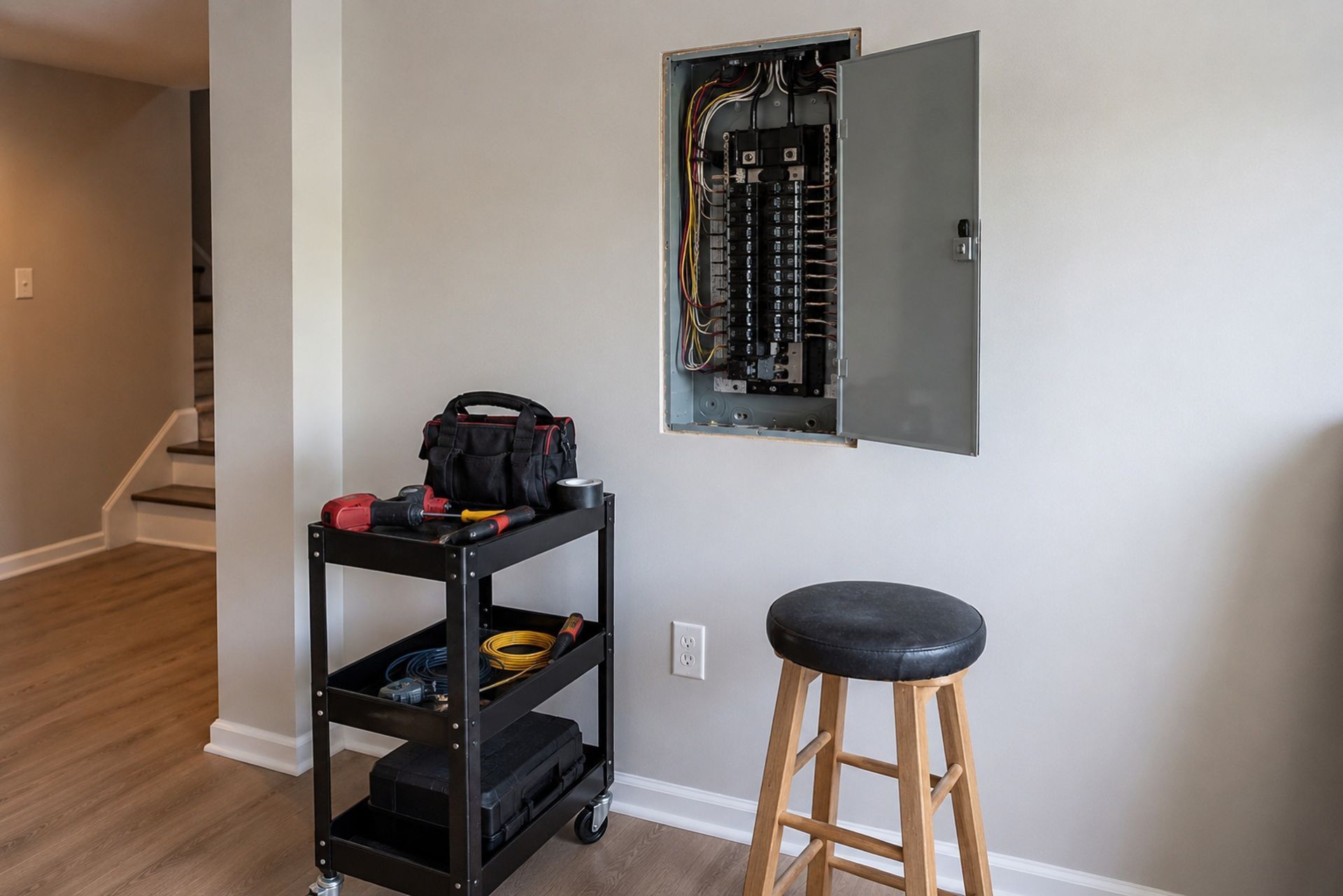
Every electrical contractor in Pennsylvania needs a handful of foundational policies. The specifics vary by your operation size and the type of work you perform, but skipping any of these creates real exposure.
General Liability and Property Damage Requirements
General liability (GL) is the baseline. It covers third-party bodily injury and property damage claims: think a homeowner tripping over your cord, or a fire caused by faulty wiring you installed. Most Pennsylvania municipalities and general contractors require a minimum of $1 million per occurrence and $2 million aggregate before you can work.
Here's what catches some electricians off guard: your GL policy's "completed operations" coverage matters enormously. Electrical work can cause damage months or years after installation. A panel you wired in 2025 that sparks a fire in 2027 still falls under your completed operations exposure. Make sure your policy doesn't sunset this coverage prematurely.
If you're subcontracting for larger GCs, expect them to require additional insured endorsements on your GL policy. This is standard, but some carriers charge for each endorsement while others include blanket additional insured language. That difference alone can save you hundreds annually.
Workers' Compensation Laws in the Commonwealth
Pennsylvania mandates workers' compensation for virtually all employers. If you have even one employee, including part-time helpers, you need a workers' comp policy. The state does not allow sole proprietors to "opt out" if they hire anyone.
Classification codes matter here. Electricians typically fall under NCCI code 5190 for standard electrical wiring, but if your crew does fire alarm installation or low-voltage work, you may carry multiple class codes on one policy. Each code has its own rate, and misclassification is one of the fastest ways to trigger an audit surcharge.
Pennsylvania's workers' comp system uses an experience modification rate (EMR) that directly reflects your claims history. A clean three-year record earns you a modifier below 1.0, which means discounts. One serious injury claim can push your EMR above 1.0 for years, inflating premiums significantly.
Tools and Equipment Coverage for Field Work
Your GL and workers' comp policies don't cover your tools, diagnostic equipment, or wire reels sitting in your van. For that, you need an inland marine or tools and equipment policy. A typical electrician carries $15,000 to $50,000 in tools and materials on any given job.
Theft from work vans is a persistent problem in Pennsylvania's urban corridors. A standalone tools floater covers theft, accidental damage, and sometimes even borrowed or rented equipment. Joule Pro, which specializes exclusively in electrical contractor coverage, bundles inland marine with GL and other lines so nothing falls through the cracks.

By: Michael Fusco
President of Joule Pro
INDEX
Core Insurance Coverages for Pennsylvania Electrical Contractors
Navigating Pennsylvania Licensing and Local Insurance Mandates
Understanding Surety Bonds and Compliance Requirements
Carrier Appetite and Underwriting for Electrical Risks
Factors Influencing the Cost of Electrician Insurance in PA
Joule Pro is a specialty insurance and risk program of Fusco Orsini & Associates Insurance Services, built exclusively for electrical contractors and licensed in 31 states.
We work with electrical firms across the country — from California, Texas, Florida, New York, and coast to coast — placing General Liability, Workers' Compensation, Commercial Auto, Inland Marine, Surety Bonds, Excess Liability, and full specialty coverage stacks for commercial, industrial, service, residential, and low-voltage electrical contractors. Joule Pro is not a separate licensed entity. It is a dedicated program structure inside Fusco Orsini, giving electrical contractors access to specialty carriers, in-house claims advocacy, and trade-specific risk engineering under one program.
Electrician Insurance By City
Electrician Insurance Coverage
Navigating Pennsylvania Licensing and Local Insurance Mandates
HIC Registration vs. Municipal Licensing Requirements
Pennsylvania doesn't have a single statewide electrical license. Instead, the state requires Home Improvement Contractor (HIC) registration through the Attorney General's office for anyone doing residential work over $500. That registration doesn't test your electrical knowledge; it's a consumer protection measure.
The real licensing happens at the municipal level. Philadelphia, Pittsburgh, Allentown, and dozens of other cities issue their own electrical licenses with their own insurance requirements. Pennsylvania's patchwork system of over 2,500 municipal jurisdictions has been the target of reform efforts like Senate Bill 1260, which aims to create a more unified statewide licensing framework. Until that passes, you're stuck navigating local rules city by city.
Meeting Philadelphia and Pittsburgh Specific Insurance Limits
Philadelphia's licensing requirements are among the strictest in the state. The city typically requires $500,000 to $1 million in GL coverage, and some permit categories push that higher. Pittsburgh has its own set of mandates, and the required limits can differ from Philly's by a meaningful margin.
If you work across multiple municipalities, your insurance needs to satisfy the highest limit among all the jurisdictions where you hold permits. Building your policy to the highest common denominator saves you from buying endorsements every time you cross a municipal boundary. A specialty program like Joule Pro understands these local variations and structures policies that keep you compliant everywhere you work.
Understanding Surety Bonds and Compliance Requirements
License and Permit Bonds for Local Jurisdictions
Many Pennsylvania municipalities require a surety bond as a condition of holding an electrical license. These bonds typically range from $5,000 to $25,000, depending on the jurisdiction. A license bond guarantees that you'll comply with local codes and ordinances. If you don't, the municipality can make a claim against your bond.
The cost of a surety bond is a fraction of its face value, usually 1% to 5% for contractors with good credit. An electrician with a 700+ credit score might pay $100 to $250 annually for a $10,000 bond. Poor credit or prior claims push that percentage higher, sometimes to 10% or more.
Don't confuse surety bonds with insurance. A bond is a three-party agreement where the surety company guarantees your performance to the municipality. If the surety pays a claim, they come after you for reimbursement. Insurance absorbs the loss; a bond does not.
Bid and Performance Bonds for Public Works Projects
Public works projects in Pennsylvania, including school districts, municipal buildings, and PennDOT-related electrical work, almost always require bid bonds and performance bonds. A bid bond (typically 5% to 10% of the bid amount) guarantees you'll honor your bid price if selected. A performance bond (usually 100% of the contract value) guarantees you'll finish the job.
Getting bonded for larger public projects requires solid financials. Surety companies look at your balance sheet, work-in-progress reports, and banking relationships. Newer electrical contractors often struggle to get bonded above $250,000 until they build a track record of completed projects.
Carrier Appetite and Underwriting for Electrical Risks
High-Risk Services: Industrial vs. Residential Work
Not every insurance carrier wants to write electrical contractors, and the ones that do are picky about what type of electrical work you perform. Carrier appetite is the term for how willing an insurer is to take on your specific risk profile.
Residential service and repair work is generally the easiest to place. Standard carriers are comfortable with panel upgrades, outlet installations, and rewiring in single-family homes. Industrial and commercial electrical work, especially involving high-voltage systems, solar installations, or EV charging infrastructure, narrows the field significantly.
| Work Type | Carrier Appetite | Typical GL Premium Range |
|---|---|---|
| Residential service/repair | Broad: many carriers compete | $1,200 - $3,500/year |
| Commercial tenant buildout | Moderate: standard markets available | $2,500 - $6,000/year |
| Industrial/high-voltage | Limited: specialty markets needed | $5,000 - $15,000+/year |
| Solar/EV charging | Growing but selective | $3,500 - $10,000/year |
This is exactly where working with a specialty program matters. Joule Pro maintains underwriter relationships built specifically around electrical trade risks, which means access to markets that generalist agencies simply can't reach.
How Claims History Impacts Premium Quotes
Your loss history is the single biggest factor in what carriers will charge you, and whether they'll write you at all. A clean five-year claims record opens doors to preferred pricing. Even one liability claim over $25,000 can push you into surplus lines markets where premiums jump 30% to 50%.
Frequency matters more than severity in many underwriters' eyes. Two small claims in three years can be a bigger red flag than one larger claim, because it suggests a pattern. If you've had claims, be prepared to explain what corrective actions you took. Underwriters want to see safety programs, updated training records, and process changes.
Factors Influencing the Cost of Electrician Insurance in PA
Several variables determine your premium beyond just claims history. Annual revenue is the primary rating basis for GL policies: a $500,000 revenue contractor pays more than a $150,000 operation. Payroll drives workers' comp costs, and the number of vehicles on your policy sets your commercial auto premium.
Your geographic territory matters too. Contractors working in Philadelphia and its suburbs typically face higher GL rates than those in rural central Pennsylvania, simply because claim frequency and litigation costs run higher in metro areas. The types of properties you work on also affect pricing: older buildings with knob-and-tube wiring or asbestos exposure carry more risk than new construction.
Subcontractor usage is another factor. If you sub out work, carriers want to see that you collect certificates of insurance from every sub. Failure to do this can result in your policy picking up their claims, which inflates your loss history and future premiums.
How to Secure an Accurate and Competitive Insurance Quote
Getting a reliable quote starts with having your information organized before you reach out. Prepare your current revenue figures, payroll breakdown by employee classification, vehicle schedule, and a clear description of the types of electrical work you perform. Vague descriptions lead to inaccurate quotes.
Work with a producer who understands electrical contracting specifically. A generalist agent might place you with a carrier that doesn't understand your trade, leading to coverage gaps or inflated premiums. Joule Pro's team handles quotes, proposals, and binders through licensed professionals who know the difference between NCCI code 5190 and 7605, and why it matters for your bottom line.
Request quotes that include all lines bundled: GL, workers' comp, commercial auto, inland marine, and any umbrella coverage. Comparing a bundled package from one program against piecemeal quotes from different carriers gives you a true apples-to-apples view of total cost.
FAQ
Do I need a state electrical license to work in Pennsylvania? Pennsylvania doesn't issue a statewide electrical license. You need HIC registration for residential work and separate municipal licenses for each jurisdiction where you operate.
How much does general liability insurance cost for a Pennsylvania electrician? Expect $1,200 to $6,000 annually for most residential and commercial operations. Industrial and high-voltage work can push premiums well above $10,000.
Can I avoid workers' comp if I'm a sole proprietor with no employees? Yes, sole proprietors with zero employees are not required to carry workers' comp in Pennsylvania. The moment you hire anyone, even part-time, the requirement kicks in.
What's the difference between a surety bond and an insurance policy? A bond guarantees your compliance to a third party (like a municipality). If the surety pays a claim, you owe them back. Insurance absorbs the loss on your behalf.
Will solar and EV charger installation affect my insurance rates? Yes. These services are growing but still considered higher-risk by many carriers, which can increase your GL premium or require placement with specialty markets.
Your Next Move as a Pennsylvania Electrical Contractor
Pennsylvania's patchwork of municipal requirements, bonding obligations, and carrier appetite quirks makes insurance one of the more complex parts of running an electrical business in the Commonwealth. The contractors who pay the least and get the best coverage are the ones who work with specialists, keep clean loss histories, and maintain organized records.
If you're shopping for coverage or renewing a policy, get a quote from a program built for your trade rather than a generalist who treats electricians the same as plumbers or roofers. Reach out to Joule Pro for a quote structured around your specific Pennsylvania operations, handled by a licensed producer who speaks your language.

Founder & CEO
The Force Behind the Program
About the Author:
Michael Fusco.
Fusco Orsini & Associates
Joule Pro exists because Mike Fusco saw electrical contractors getting boilerplate insurance — and built a program designed for the way the trade actually works.
Mike is the CEO and co-founder of Fusco Orsini & Associates, the San Diego–based independent agency he launched in 2010. Under his leadership FOA has grown into a nationwide partner serving clients across 31 states, with a personal, client-first approach to commercial insurance and risk.
With over 20 years in insurance and risk management, he specializes in tailored programs spanning general liability, workers' compensation, surety bonding, and employee benefits — helping owners confidently manage risk and pursue growth.
Mike holds a B.S. in Business from the University of Maryland — Robert H. Smith School of Business, and the Certified Insurance Counselor (CIC) designation, held by fewer than 3% of insurance professionals nationwide.
Trusted by Electrical Contractors Across the Country.
Select your state for electrical contractor insurance. Get requirements, cost ranges, and more information for your business.
Alabama
Arkansas
Louisiana
Kentucky
New Hampshire
Vermont
Rhode Island
Massachusetts
N. Dakota
S. Dakota
Oklahoma
Delaware
What Our Clients Say
Trusted by Electrical Contractors Across the Country.
5.0
★★★★★
Google reviews
Core Commercial Coverage
Business Insurance for Electrical Contractors.
The fundamentals — written, structured, and priced for electrical risk. Each line is reviewed annually by an underwriter who only writes our trade.
01
General Liability
Premises & completed-operations coverage with electrical-specific endorsements and full pollution carve-back options.
02
Workers' Compensation
Class-code optimization, experience-mod review, and return-to-work programs designed for energized-work exposures.
03
Commercial Auto
Fleet, hired & non-owned auto, and tools-in-transit coverage written for service vans and bucket trucks.
04
Tools & Equipment
Scheduled and blanket coverage for tools, test equipment, scissor lifts, and contractor's equipment on-site or in-transit.
05
Surety Bonds
Bid, performance, and payment bonds — single-job and aggregate programs for commercial & public-works contracts.
06
Commercial Property
Layered limits up to $50M with carrier panels covering your shop, warehouse, yard, and on-premises tools, materials, and equipment.
Who We Serve
Electrical Contractors We Specialize In.
From $5M service shops to $250M industrial primes — every Joule Pro program is shaped to the contractor's revenue mix and project profile.
01 / Industrial
Commercial & Industrial Electrical Contractors
High-voltage, substation, and plant electrical work. Pollution, builder's risk, and large-deductible WC programs.
02 / Service
Service & Residential Electrical Contractors
Service-call shops, panel upgrades, and EV charging installers. Auto-fleet, GL, and tool-coverage programs.
03 / Low-Voltage
Specialty & Low-Voltage Contractors
Data, fire-alarm, security, and BMS controls. Cyber, professional liability, and follow-form excess.
Frequently Asked Questions
Common
Questions From
Electrical Contractors.
What size electrical contractors do you write?
Joule Pro is built for licensed electrical firms from roughly $2M in revenue to $250M+. Below $2M we typically refer to our small-business desk; above $250M we underwrite individually with our industrial practice team.
Do I need to be licensed in multiple states?
No. We license you wherever you work. Joule Pro is admitted in 31 states and our compliance team handles multi-state filings, prevailing-wage endorsements, and certificate-of-insurance requirements.
How is Joule Pro different from a generic contractor program?
Generic programs use a contractor's questionnaire that treats you like a roofer. We use forms written for energized work, arc-flash exposures, and design-build risk — and our carriers price accordingly.
What does the claims process actually look like?
Every Joule Pro client is assigned a named claims advocate at bind. They take the FNOL, set strategy with your assigned attorney, and serve as your single point of contact through close.
Can you bond large public-works contracts?
Yes. Through our surety partners we write single-job bonds up to $75M and aggregate programs to $300M, with expedited turnarounds for school district, federal, and DOT work.
What happens at renewal?
Your producer and claims advocate jointly run a renewal review 90 days out — covering loss trends, exposure changes, and market alternatives — so renewal day is a confirmation, not a surprise.
From the Blog
Insights for Electrical Contractors.
Risk briefings, claim post-mortems, and program updates — written by our underwriters and risk engineers.


Get Started
Get a Quote on a Program Built Around Your Trade.
A 30-minute discovery call is the only commitment. You'll leave with a written gap analysis of your current program — yours to keep, whether you bind with us or not.