
Business Insurance
Reading, PA Electrician Insurance
★★★★★ 150+ Five-Star Reviews · Google & Facebook
Underwriting Preferences for Residential vs. Industrial Projects
Reading, PA, sits at an unusual crossroads for electrical contractors. You've got blocks of century-old row homes with knob-and-tube wiring sitting a few miles from active industrial zones along the Schuylkill River corridor. The mix of residential retrofit work, commercial projects in the downtown revitalization area, and industrial maintenance jobs near former manufacturing sites creates a risk profile that generic insurance programs simply don't address well. If you're a licensed electrician working in Berks County, your insurance needs to reflect the specific hazards, permitting requirements, and regulatory expectations of this city - not some cookie-cutter policy designed for a suburb in the Midwest. This guide covers the insurance policies Reading electricians actually need, how local permitting ties into your coverage, the city-specific risks that can blindside you, and which carriers are willing to write policies for contractors in this market. Getting this right can mean the difference between a claim that's covered and one that leaves you holding the bag.
Essential Insurance Policies for Electricians in Reading
General Liability and Professional Indemnity
General liability (GL) is the foundation of any electrician's insurance program. It covers third-party bodily injury and property damage - think a homeowner tripping over your cord or a fire sparked by a connection you made six months ago. For Reading contractors, completed operations coverage within your GL policy deserves special attention. Many claims in older homes don't surface until weeks or months after the work is done, when a rewired panel overheats or a junction box fails behind plaster walls.
Professional indemnity, sometimes called errors and omissions (E&O), is a separate but related piece. If you design a lighting plan for a commercial tenant in the GoggleWorks district and the system doesn't meet code, E&O responds to the financial loss your client suffers. Most Reading electricians carrying $1 million/$2 million GL limits should also consider at least $500,000 in professional liability, especially if you're doing any design-build work or providing engineering recommendations.
Workers' Compensation Requirements in Pennsylvania
Pennsylvania requires workers' compensation for nearly all employees, including part-time workers. The state doesn't exempt small crews - even a one-person shop with a single helper needs coverage. Penalties for non-compliance can include criminal charges and fines up to $2,500 per day of violation.
For electricians, workers' comp classification codes matter enormously. Residential wiremen fall under a different class code than contractors doing high-voltage industrial work, and the rate difference can be significant. A Reading electrician doing panel upgrades in West Reading homes might pay $4-$6 per $100 of payroll, while someone pulling cable in a Carpenter Technology plant could see rates above $8. Getting classified correctly from day one saves money and prevents audit surprises. Programs like Joule Pro that specialize in electrical contractor coverage understand these classification nuances and can help ensure your payroll is coded accurately from the start.
Tools and Equipment Floaters for Mobile Operations
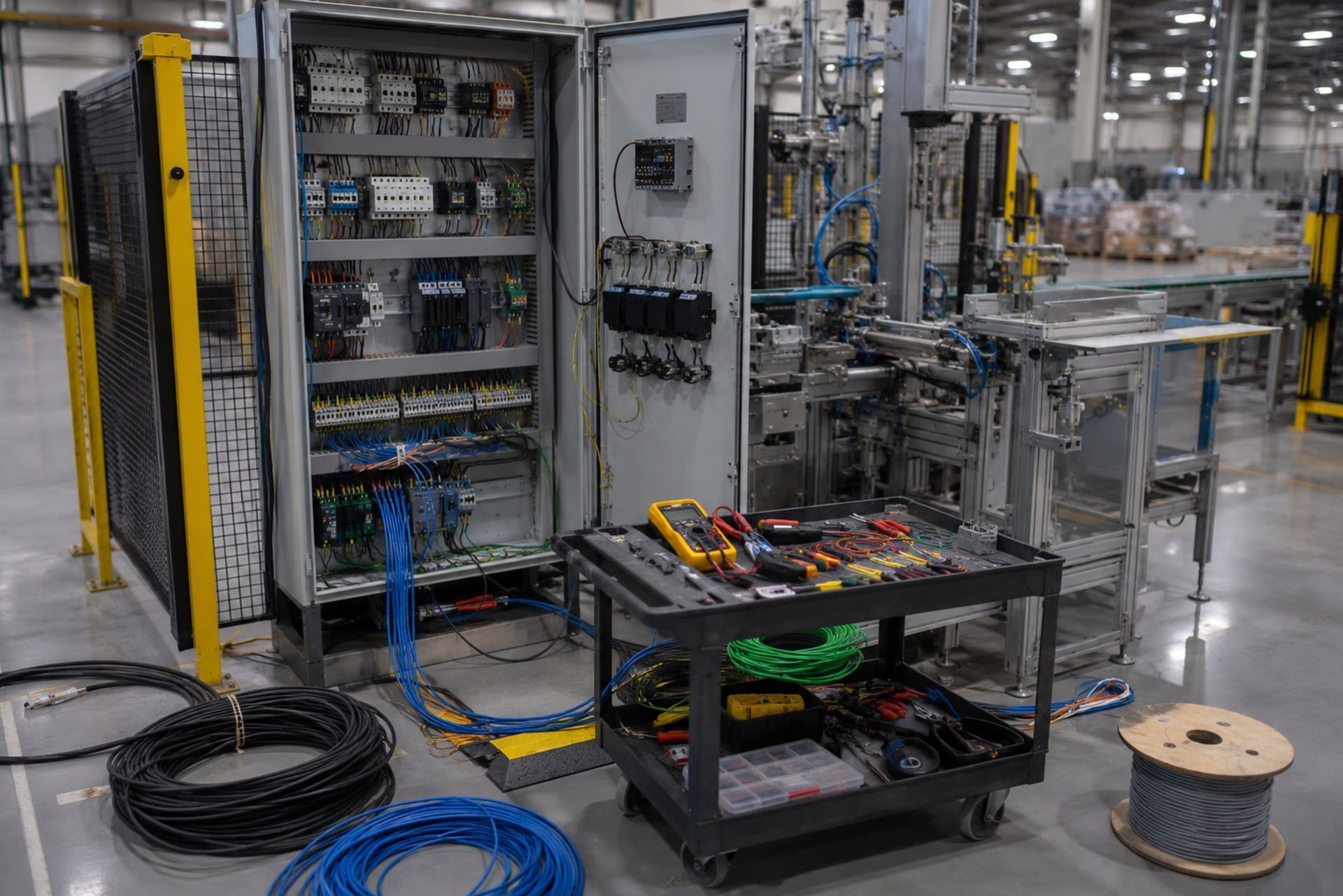
Your van full of Fluke meters, benders, and power tools represents tens of thousands of dollars in assets. A standard commercial auto policy covers the vehicle itself but typically excludes the tools inside. That's where an inland marine or tools and equipment floater comes in.
Nearly
89% of tradespeople report being victims of tool theft at some point in their career, and Reading's mixed urban-suburban environment means your van might be parked overnight on a residential street in Shillington one night and at a job site in the city's industrial corridor the next. A dedicated tools floater covers theft, damage, and sometimes even mysterious disappearance, with limits you can set based on your actual inventory. Most electricians underestimate their tool value by 30-40% until they sit down and price out replacements at 2026 costs.

By: Michael Fusco
President of Joule Pro
INDEX
Essential Insurance Policies for Electricians in Reading
Navigating Reading's Local Permitting and Bonding Requirements
City-Specific Risks: Historic Row Homes and Industrial Zones
Understanding Carrier Appetite for Reading Electrical Contractors
Strategic Risk Management and Cost-Saving Measures
Joule Pro is a specialty insurance and risk program of Fusco Orsini & Associates Insurance Services, built exclusively for electrical contractors and licensed in 31 states.
We work with electrical firms across the country — from California, Texas, Florida, New York, and coast to coast — placing General Liability, Workers' Compensation, Commercial Auto, Inland Marine, Surety Bonds, Excess Liability, and full specialty coverage stacks for commercial, industrial, service, residential, and low-voltage electrical contractors. Joule Pro is not a separate licensed entity. It is a dedicated program structure inside Fusco Orsini, giving electrical contractors access to specialty carriers, in-house claims advocacy, and trade-specific risk engineering under one program.
Electrician Insurance By City
Electrician Insurance Coverage
Navigating Reading's Local Permitting and Bonding Requirements
City of Reading Electrical Permit Insurance Verification
The City of Reading requires electrical permits for most work beyond basic fixture replacements. When you pull a permit through the city's building department, expect to show proof of insurance - specifically, a certificate of insurance (COI) naming the City of Reading as an additional insured or certificate holder. This isn't optional, and the turnaround time for getting a COI matters when you're trying to start a job.
Some contractors get tripped up here because their insurance carrier or agency takes days to issue certificates. Working with a specialty program that handles COI requests quickly - Joule Pro processes these routinely for electrical contractors - can prevent scheduling delays that cost you money and credibility with clients.
License Bonds vs. Liability Insurance for Berks County
There's a common misconception that a license bond and liability insurance are the same thing. They're not, and confusing them can leave you exposed.
| License/Permit Bond | General Liability Insurance | |
|---|---|---|
| Purpose | Guarantees you'll follow local codes and regulations | Covers third-party injury and property damage claims |
| Who it protects | The city/municipality and consumers | You, your business, and injured parties |
| Typical amount | $5,000-$10,000 in Reading | $1M/$2M per occurrence/aggregate |
| Required by | City of Reading for electrical licenses | Clients, general contractors, and permit offices |
| Cost | 1-3% of bond amount annually | Varies by revenue, payroll, and risk profile |
You likely need both. The bond satisfies the city's licensing requirement, while GL insurance protects your business from the financial impact of claims. Don't assume one covers the other.
City-Specific Risks: Historic Row Homes and Industrial Zones
Coverage for Retrofitting Reading's Aging Infrastructure
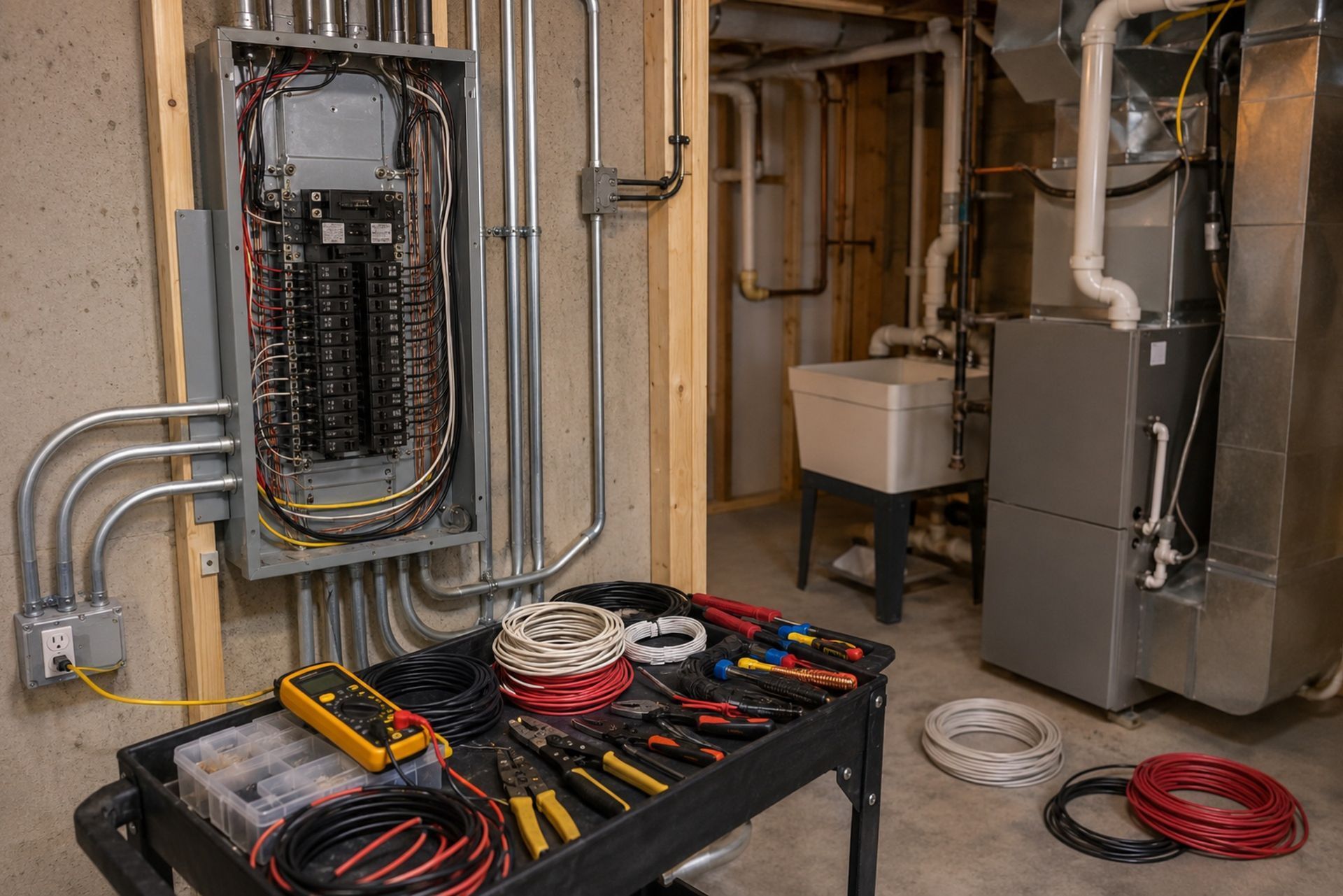
Reading's housing stock is old. Many row homes in neighborhoods like Centre Park and Alsace Manor were built between 1890 and 1940, and they present hazards you won't find in new construction: asbestos-wrapped wiring, lead paint disturbed during panel installations, plaster walls that crumble when you cut a chase, and structural members weakened by decades of moisture.
When you're upgrading a 100-year-old electrical system, the risk of property damage during the work is significantly higher than in new construction. Your GL policy needs to account for this. Some carriers exclude or sublimit coverage for work in buildings over a certain age, which is a problem if 60% of your jobs are in pre-war homes. Make sure your policy doesn't contain hidden exclusions for work in older structures, and verify that your completed operations coverage extends long enough to catch delayed issues.
Pollution and Environmental Liability for Industrial Projects
Reading's industrial heritage means many commercial and industrial properties sit on or near contaminated land. The former Lucent Technologies campus, brownfield sites along the river, and old textile mills converted to mixed-use spaces all carry environmental risk. If your electrical work disturbs contaminated soil, releases stored chemicals, or involves removing old transformers that contain PCBs, a standard GL policy won't cover the cleanup costs.
A pollution liability endorsement or standalone environmental policy fills this gap. For electricians doing work in Reading's industrial zones, even a $1 million pollution policy can cost as little as $1,200-$2,500 annually - a small price compared to the six-figure cleanup costs that can result from an accidental release.
Understanding Carrier Appetite for Reading Electrical Contractors
Preferred Carriers for Residential vs. Commercial Specialists
Not every insurance carrier wants to write electricians, and among those that do, appetite varies based on the type of work you perform. Residential-focused electricians doing service calls and panel upgrades generally have an easier time finding coverage than contractors doing commercial tenant buildouts or industrial maintenance.
Carriers evaluate Reading contractors based on several factors: your loss history, the percentage of work that's new construction versus retrofit, whether you do any fire alarm or low-voltage work, and your annual revenue. Some carriers won't write a contractor with more than 30% commercial work, while others specifically prefer commercial specialists. This is where working with a specialty program matters. Joule Pro maintains relationships with underwriters who specifically write electrical contractors, which means better matching between your risk profile and the right carrier.
How Local Experience Impacts Premium Ratings
Your years of experience in Reading directly affect what you'll pay. A contractor with 10 years of clean loss history in Berks County will see significantly better rates than a newly licensed electrician, sometimes 20-30% lower premiums for equivalent coverage.
Carriers also look at your familiarity with local conditions. An electrician who understands Reading's building stock, has relationships with local inspectors, and knows the permitting process is statistically less likely to generate claims. Document your local experience, training certifications, and any safety programs you've implemented - these details matter during underwriting.
Strategic Risk Management and Cost-Saving Measures
Bundle Opportunities: Business Owner Policies (BOP)
A Business Owner Policy bundles your GL, commercial property, and business income coverage into a single policy, often at a 10-15% discount compared to buying each separately. For Reading electricians who operate out of a shop or office, a BOP can simplify your insurance program while reducing costs.
The catch is that not all BOPs are created equal for contractors. Some exclude tools in transit, others cap equipment coverage at low limits, and many don't include the endorsements electricians need. Ask specifically about contractor-specific BOP forms that include coverage for your tools, materials in transit, and installation floater provisions.
Implementing Safety Protocols to Reduce Claims
The single most effective way to lower your insurance costs over time is to reduce claims. Carriers reward contractors who demonstrate a commitment to safety with lower premiums and better terms.
Practical steps that actually move the needle for Reading electricians:
- Conduct weekly toolbox talks covering job-specific hazards, especially when working in older buildings
- Require lockout/tagout procedures on every job, even residential service calls
- Maintain a written safety program and document all training
- Use GFCIs on every temporary power connection, no exceptions
- Photograph existing conditions before starting retrofit work in historic homes
A clean three-year claims history can reduce your premiums by 15-25% at renewal. That's real money back in your pocket every year.
Your Next Steps as a Reading Electrician
Getting the right insurance coverage for electrical work in Reading isn't just about checking a box for the permit office. The combination of historic housing stock, industrial sites, and Pennsylvania's strict workers' comp requirements creates a risk environment that demands thoughtful coverage. Cheap, generic policies often fail exactly when you need them most - during a claim involving an old row home fire or an environmental incident at an industrial site.
If you're unsure whether your current coverage actually matches the work you're doing in Berks County, it's worth a policy review with someone who understands electrical contractor risks specifically. Reach out to Joule Pro for a coverage assessment tailored to your operations, crew size, and the types of jobs you're taking on in Reading. The right coverage at the right price starts with working with people who know your trade inside and out.
Frequently Asked Questions
Do I need a separate pollution policy for residential electrical work in Reading? Generally no, unless you're working in homes with known contamination or disturbing materials like PCB-containing ballasts. For industrial and commercial work near Reading's brownfield sites, a pollution endorsement is strongly recommended.
How much does general liability insurance cost for a Reading electrician? Expect to pay between $1,800 and $4,500 annually for a $1M/$2M policy, depending on your revenue, crew size, and whether you focus on residential or commercial work.
Can I pull a City of Reading electrical permit without insurance? No. The city requires proof of insurance as part of the permit application process. You'll need a current certificate of insurance ready to submit.
What happens if my workers' comp classification code is wrong? You'll face an audit adjustment at the end of your policy term, which could mean a large unexpected bill. Worse, misclassification can lead to denied claims if an injury occurs during work outside your listed classification.
Does my commercial auto policy cover tools stolen from my van? Almost never. Commercial auto covers the vehicle and permanent attachments. You need a separate inland marine or tools floater to cover portable tools and equipment.

Founder & CEO
The Force Behind the Program
About the Author:
Michael Fusco.
Fusco Orsini & Associates
Joule Pro exists because Mike Fusco saw electrical contractors getting boilerplate insurance — and built a program designed for the way the trade actually works.
Mike is the CEO and co-founder of Fusco Orsini & Associates, the San Diego–based independent agency he launched in 2010. Under his leadership FOA has grown into a nationwide partner serving clients across 31 states, with a personal, client-first approach to commercial insurance and risk.
With over 20 years in insurance and risk management, he specializes in tailored programs spanning general liability, workers' compensation, surety bonding, and employee benefits — helping owners confidently manage risk and pursue growth.
Mike holds a B.S. in Business from the University of Maryland — Robert H. Smith School of Business, and the Certified Insurance Counselor (CIC) designation, held by fewer than 3% of insurance professionals nationwide.
Trusted by Electrical Contractors Across the Country.
Select your state for electrical contractor insurance. Get requirements, cost ranges, and more information for your business.
Alabama
Arkansas
Louisiana
Kentucky
New Hampshire
Vermont
Rhode Island
Massachusetts
N. Dakota
S. Dakota
Oklahoma
Delaware
What Our Clients Say
Trusted by Electrical Contractors Across the Country.
5.0
★★★★★
Google reviews
Core Commercial Coverage
Business Insurance for Electrical Contractors.
The fundamentals — written, structured, and priced for electrical risk. Each line is reviewed annually by an underwriter who only writes our trade.
01
General Liability
Premises & completed-operations coverage with electrical-specific endorsements and full pollution carve-back options.
02
Workers' Compensation
Class-code optimization, experience-mod review, and return-to-work programs designed for energized-work exposures.
03
Commercial Auto
Fleet, hired & non-owned auto, and tools-in-transit coverage written for service vans and bucket trucks.
04
Tools & Equipment
Scheduled and blanket coverage for tools, test equipment, scissor lifts, and contractor's equipment on-site or in-transit.
05
Surety Bonds
Bid, performance, and payment bonds — single-job and aggregate programs for commercial & public-works contracts.
06
Commercial Property
Layered limits up to $50M with carrier panels covering your shop, warehouse, yard, and on-premises tools, materials, and equipment.
Who We Serve
Electrical Contractors We Specialize In.
From $5M service shops to $250M industrial primes — every Joule Pro program is shaped to the contractor's revenue mix and project profile.
01 / Industrial
Commercial & Industrial Electrical Contractors
High-voltage, substation, and plant electrical work. Pollution, builder's risk, and large-deductible WC programs.
02 / Service
Service & Residential Electrical Contractors
Service-call shops, panel upgrades, and EV charging installers. Auto-fleet, GL, and tool-coverage programs.
03 / Low-Voltage
Specialty & Low-Voltage Contractors
Data, fire-alarm, security, and BMS controls. Cyber, professional liability, and follow-form excess.
Frequently Asked Questions
Common
Questions From
Electrical Contractors.
What size electrical contractors do you write?
Joule Pro is built for licensed electrical firms from roughly $2M in revenue to $250M+. Below $2M we typically refer to our small-business desk; above $250M we underwrite individually with our industrial practice team.
Do I need to be licensed in multiple states?
No. We license you wherever you work. Joule Pro is admitted in 31 states and our compliance team handles multi-state filings, prevailing-wage endorsements, and certificate-of-insurance requirements.
How is Joule Pro different from a generic contractor program?
Generic programs use a contractor's questionnaire that treats you like a roofer. We use forms written for energized work, arc-flash exposures, and design-build risk — and our carriers price accordingly.
What does the claims process actually look like?
Every Joule Pro client is assigned a named claims advocate at bind. They take the FNOL, set strategy with your assigned attorney, and serve as your single point of contact through close.
Can you bond large public-works contracts?
Yes. Through our surety partners we write single-job bonds up to $75M and aggregate programs to $300M, with expedited turnarounds for school district, federal, and DOT work.
What happens at renewal?
Your producer and claims advocate jointly run a renewal review 90 days out — covering loss trends, exposure changes, and market alternatives — so renewal day is a confirmation, not a surprise.
From the Blog
Insights for Electrical Contractors.
Risk briefings, claim post-mortems, and program updates — written by our underwriters and risk engineers.


Get Started
Get a Quote on a Program Built Around Your Trade.
A 30-minute discovery call is the only commitment. You'll leave with a written gap analysis of your current program — yours to keep, whether you bind with us or not.