Business Insurance
Bakersfield, CA Electrician Insurance
★★★★★ 150+ Five-Star Reviews · Google & Facebook
Bakersfield sits at the intersection of oil country, agricultural sprawl, and one of the fastest-growing residential markets in California's Central Valley. For electricians working here, that mix creates a risk profile you won't find in San Francisco or Los Angeles. The heat alone - triple-digit summers that stretch from May through October - puts stress on equipment, workers, and the electrical systems you're hired to install or repair. Then there's the industrial side: oil field pump jacks, ag processing facilities, and solar farms spreading across Kern County's flatlands. Each job type carries its own liability exposure, and the insurance you carry needs to reflect that reality.
This guide to electrician insurance in Bakersfield covers the specific policies you need, local permitting and bonding requirements, the city-specific risks that affect your coverage, and which carriers actually want to write electrical contractor policies in this market. If you're a licensed C-10 contractor operating in Kern County, the details here should save you real money and real headaches.
Essential Insurance Policies for Bakersfield Electrical Contractors
General Liability and Property Damage Coverage
General liability is the foundation of every electrical contractor's insurance program. It covers third-party bodily injury and property damage claims - the kind that arise when a homeowner trips over your cable run or a faulty panel installation leads to a house fire. In Bakersfield, solo residential electricians typically pay between $1,000 and $1,200 per year for a standard $1M/$2M general liability policy, though that number climbs quickly once you add employees or take on commercial work.
One thing that catches newer contractors off guard: your GL policy likely excludes damage to your own completed work. If you wire a panel and it fails six months later, the cost to redo that work falls on you unless you carry a specific completed operations endorsement. Bakersfield's older housing stock - much of it built during the 1970s and 1980s oil boom - means you're frequently tying into aging systems where the risk of something going wrong is higher than average.
Workers' Compensation Requirements in California
California does not mess around with workers' comp. If you have even one employee, you're required to carry a policy - no exceptions, no minimum-hours threshold. The penalties for non-compliance are severe: Cal/OSHA can issue stop-work orders, and uninsured employers face criminal penalties including fines up to $100,000 and potential jail time.
For electrical contractors in Bakersfield, workers' comp rates are driven by classification codes. Residential wiring (NCCI code 5190) carries a different rate than commercial or industrial work. If your crew splits time between residential service calls and oil field installations, your policy needs to reflect both classifications accurately. Misclassification is one of the most common audit surprises contractors face, and it can result in a hefty additional premium bill at year-end.
Inland Marine and Tool Insurance for Mobile Crews
Your tools and equipment travel with you to every job site, and a standard commercial property policy won't cover them once they leave your shop. Inland marine insurance fills that gap, covering tools, testing equipment, wire stock, and specialty items like thermal imaging cameras while they're in transit or on-site.
Bakersfield contractors should pay particular attention to theft coverage. Tool theft from work trucks and job sites is a persistent problem across Kern County, and replacement costs add up fast. A well-structured inland marine policy through a specialty program like Joule Pro can cover everything from hand tools to generators, with limits tailored to what electrical contractors actually carry. Keep a current inventory with serial numbers and photos - it makes claims processing dramatically faster.
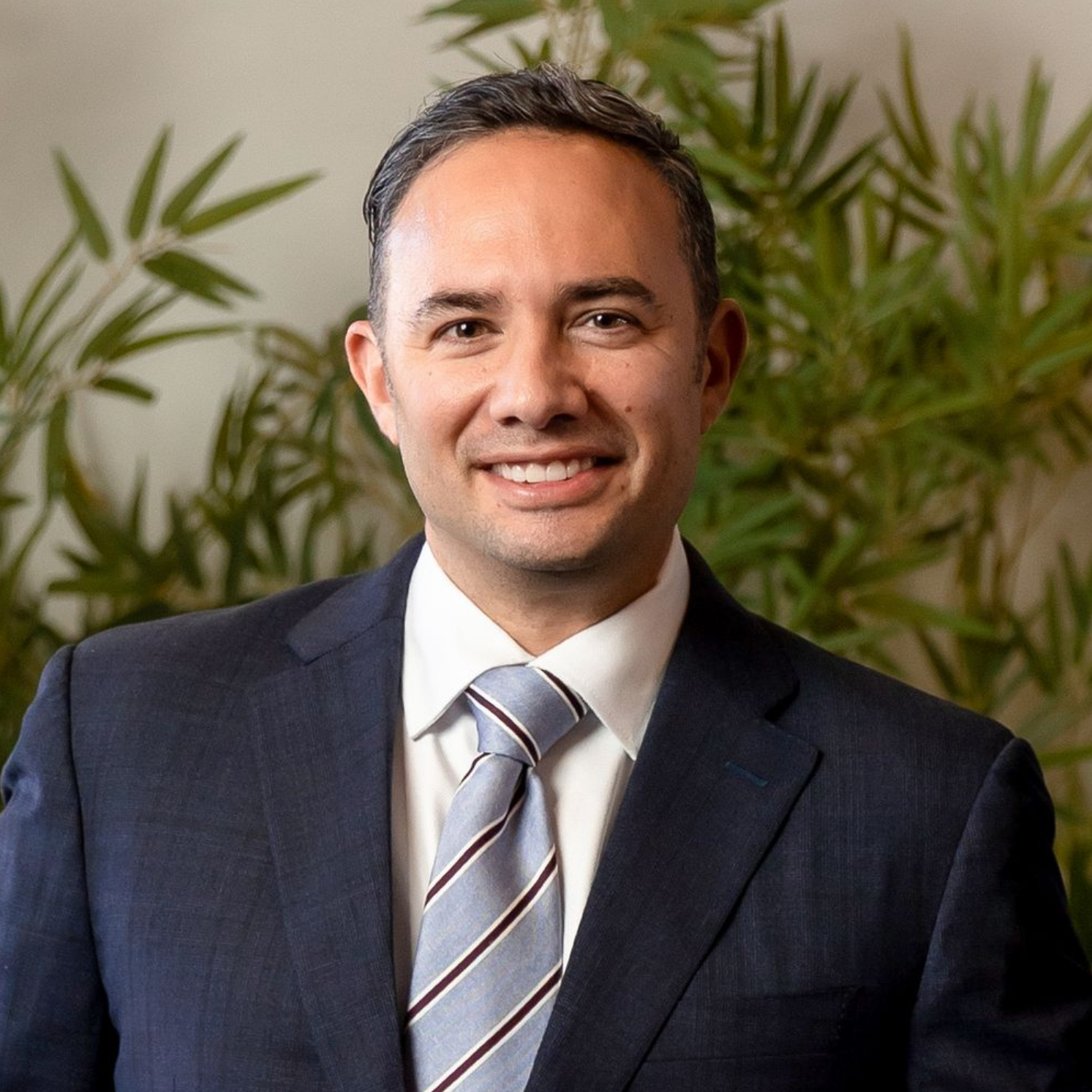
By: Michael Fusco
President of Joule Pro
INDEX
Essential Insurance Policies for Bakersfield Electrical Contractors
Navigating Kern County and Bakersfield Permitting Insurance Requirements
Bakersfield Specific Risks: Heat, Agriculture, and Oil Field Hazards
Carrier Appetite and Market Trends in the Central Valley
Joule Pro is a specialty insurance and risk program of Fusco Orsini & Associates Insurance Services, built exclusively for electrical contractors and licensed in 31 states.
We work with electrical firms across the country — from California, Texas, Florida, New York, and coast to coast — placing General Liability, Workers' Compensation, Commercial Auto, Inland Marine, Surety Bonds, Excess Liability, and full specialty coverage stacks for commercial, industrial, service, residential, and low-voltage electrical contractors. Joule Pro is not a separate licensed entity. It is a dedicated program structure inside Fusco Orsini, giving electrical contractors access to specialty carriers, in-house claims advocacy, and trade-specific risk engineering under one program.
Electrician Insurance By City
Electrician Insurance Coverage
Navigating Kern County and Bakersfield Permitting Insurance Requirements
City of Bakersfield Building Department Bond Requirements
The City of Bakersfield requires licensed contractors to carry a contractor's license bond as part of the permitting process. California's Contractors State License Board mandates a $25,000 bond for all licensed contractors, and Bakersfield's building department verifies this before issuing permits. This bond isn't insurance - it protects consumers if you fail to meet contractual obligations - but it's a prerequisite you can't skip.
Some larger commercial and municipal projects in Bakersfield also require performance bonds and payment bonds, which are separate instruments with their own underwriting requirements. Your bonding capacity depends on your financial statements, credit history, and work history. Keeping clean financials and a track record of completed projects on time helps you qualify for larger bond amounts as your business grows.
Certificates of Insurance for Local Solar and Commercial Permits
Bakersfield's solar market has exploded over the past several years, driven by Kern County's abundant sunshine and California's aggressive renewable energy mandates. General contractors and project owners on solar installations almost universally require certificates of insurance (COIs) from electrical subcontractors before you set foot on-site.
A typical COI request for a commercial solar project in Bakersfield includes proof of GL coverage at $1M/$2M limits, workers' comp, commercial auto liability, and sometimes an umbrella policy with $2M to $5M in additional coverage. The requesting party usually needs to be listed as an additional insured on your GL policy. Having a producer who can turn around COIs quickly matters here - delays in providing certificates can cost you the job. Joule Pro handles this directly through licensed producers, so you're not waiting on a call center to process your request.
Bakersfield Specific Risks: Heat, Agriculture, and Oil Field Hazards
Extreme Temperature Impacts on Electrical Equipment and Liability
Bakersfield regularly hits 110°F in summer, and that heat creates real liability exposure for electricians. Conduit installed in direct sun can exceed safe temperature ratings, causing insulation degradation. HVAC electrical systems are under maximum stress during peak cooling season, which is exactly when you're most likely to be called for service work or new installations.
Heat-related worker injuries are another significant concern. Cal/OSHA's heat illness prevention standard requires employers to provide water, shade, and rest breaks when temperatures exceed 80°F - which in Bakersfield is essentially every working day from April through October. Violations carry steep fines, and a heat-related injury claim on your workers' comp policy can spike your experience modification rate for years.
Specialized Coverage for Oil Field and Industrial Electricians
Kern County produces more oil than any other county in California, and electrical contractors who service oil field operations face a distinct risk profile. Work on pump jacks, drilling rigs, and processing facilities involves exposure to flammable materials, high-voltage systems, and remote locations where emergency response times are longer.
Standard GL policies often exclude or sublimit coverage for work performed in oil and gas environments. You may need a specific endorsement or a policy written by a carrier comfortable with that exposure. The underwriting questionnaire will ask about your percentage of revenue from oil field work, the specific types of installations you perform, and your safety protocols. Contractors doing more than 20-25% of their work in oil and gas should expect to work with specialty markets rather than standard carriers.
Carrier Appetite and Market Trends in the Central Valley
Preferred Carriers for Residential vs. Commercial Electricians
Not every insurance carrier wants to write electrician policies, and carrier appetite varies significantly based on the type of electrical work you do. Residential-focused electricians in Bakersfield generally have more options - several admitted carriers actively write C-10 contractor policies for service and remodel work.
| Factor | Residential Electricians | Commercial/Industrial Electricians |
|---|---|---|
| Carrier availability | Broad - multiple admitted markets | Limited - often surplus lines |
| Typical GL premium | $1,000-$2,500/year | $3,000-$10,000+/year |
| Underwriting scrutiny | Moderate | High |
| Common exclusions | EIFS, mold | Oil/gas, high-voltage |
| Preferred experience | 2+ years | 3-5+ years |
Commercial and industrial electricians, especially those with oil field exposure, often end up in surplus lines markets where pricing is less regulated but coverage can be more flexible. A specialty program like Joule Pro maintains relationships with both admitted and surplus lines carriers, which means your coverage is placed with the market that best fits your actual operations rather than whatever a generalist agent happens to have access to.
Underwriting Factors for Kern County Electrical Firms
Underwriters evaluating Bakersfield electrical contractors look at several key factors: your annual revenue, payroll, number of employees, years in business, claims history, and the specific types of work you perform. Your experience modification rate (EMR) on workers' comp is particularly important - an EMR above 1.0 signals higher-than-average losses and can make it difficult to find competitive pricing.
Subcontractor management also matters. If you use sub-electricians or day laborers, underwriters want to see that you verify their insurance and collect certificates. Failure to manage subcontractor risk is one of the fastest ways to get non-renewed or see your premium jump at audit.
Strategies for Reducing Insurance Premiums in Bakersfield
Safety Programs and Cal/OSHA Compliance for Lower Rates
A documented safety program does more than keep your crew safe - it directly impacts your insurance costs. Carriers offer premium credits for contractors who maintain written safety programs, conduct regular toolbox talks, and can demonstrate Cal/OSHA compliance through training records and incident logs.
For Bakersfield electricians specifically, your safety program should address heat illness prevention, arc flash protection, and lockout/tagout procedures. These are the three areas where Cal/OSHA citations are most common in the electrical trades, and they're exactly what underwriters want to see addressed. Investing in OSHA 10 or OSHA 30 training for your crew signals to carriers that you take risk management seriously.
Bundling General Liability and Commercial Auto Policies
Packaging your GL, commercial auto, and inland marine coverage under a single program often produces lower total premiums than buying each policy separately. The carrier gets more premium volume from you, and in return, you get multi-policy discounts that can range from 5% to 15%.
Commercial auto is particularly important for Bakersfield electricians because the city is spread out. Drive times between job sites can be significant, and your crews are logging serious miles on Highway 99 and local roads. A commercial auto policy covers your work vehicles for liability and physical damage, and it should be structured to include hired and non-owned auto coverage if any employee ever uses a personal vehicle for work purposes.
Frequently Asked Questions
How much does electrician insurance cost in Bakersfield? Solo residential electricians typically pay $1,000 to $1,200 annually for basic GL coverage. Add workers' comp, commercial auto, and tools coverage, and a small crew's total insurance spend usually lands between $5,000 and $15,000 per year depending on payroll and job types.
Do I need insurance to pull electrical permits in Bakersfield? Yes. The City of Bakersfield requires proof of a valid contractor's license bond, and most commercial projects require certificates of insurance before permits are issued.
Can I get insurance if I do oil field electrical work? You can, but your options are more limited. Many standard carriers exclude oil and gas exposure, so you'll likely need a specialty market or surplus lines placement.
What happens if I misclassify my workers' comp codes? You'll face an audit adjustment at policy end, which can mean a large unexpected bill. Intentional misclassification can also result in penalties from the state.
Does my homeowner's policy cover my electrical tools? No. Homeowner's policies exclude business property. You need an inland marine or tools and equipment policy to cover work tools and materials.
Your Next Steps as a Bakersfield Electrician
The insurance needs of a Bakersfield electrician aren't the same as those of a contractor working the coast or the Bay Area. Between the extreme heat, oil field exposure, and a local economy that runs on agriculture and energy production, your coverage has to be built around the risks you actually face - not a generic template.
Getting this right starts with working with a producer who understands electrical contractor insurance specifically. Joule Pro, backed by Fusco Orsini & Associates Insurance Services (CA Lic. 0H16057), specializes exclusively in coverage for licensed electrical contractors and can match your operations with carriers that have real appetite for your work. Reach out to a licensed producer to get a coverage review tailored to your Bakersfield operations.

Founder & CEO
The Force Behind the Program
About the Author:
Michael Fusco.
Fusco Orsini & Associates
Joule Pro exists because Mike Fusco saw electrical contractors getting boilerplate insurance — and built a program designed for the way the trade actually works.
Mike is the CEO and co-founder of Fusco Orsini & Associates, the San Diego–based independent agency he launched in 2010. Under his leadership FOA has grown into a nationwide partner serving clients across 31 states, with a personal, client-first approach to commercial insurance and risk.
With over 20 years in insurance and risk management, he specializes in tailored programs spanning general liability, workers' compensation, surety bonding, and employee benefits — helping owners confidently manage risk and pursue growth.
Mike holds a B.S. in Business from the University of Maryland — Robert H. Smith School of Business, and the Certified Insurance Counselor (CIC) designation, held by fewer than 3% of insurance professionals nationwide.
Trusted by Electrical Contractors Across the Country.
Select your state for electrical contractor insurance. Get requirements, cost ranges, and more information for your business.
Alabama
Arkansas
Louisiana
Kentucky
New Hampshire
Vermont
Rhode Island
Massachusetts
N. Dakota
S. Dakota
Oklahoma
Delaware
What Our Clients Say
Trusted by Electrical Contractors Across the Country.
5.0
★★★★★
Google reviews
Core Commercial Coverage
Business Insurance for Electrical Contractors.
The fundamentals — written, structured, and priced for electrical risk. Each line is reviewed annually by an underwriter who only writes our trade.
01
General Liability
Premises & completed-operations coverage with electrical-specific endorsements and full pollution carve-back options.
02
Workers' Compensation
Class-code optimization, experience-mod review, and return-to-work programs designed for energized-work exposures.
03
Commercial Auto
Fleet, hired & non-owned auto, and tools-in-transit coverage written for service vans and bucket trucks.
04
Tools & Equipment
Scheduled and blanket coverage for tools, test equipment, scissor lifts, and contractor's equipment on-site or in-transit.
05
Surety Bonds
Bid, performance, and payment bonds — single-job and aggregate programs for commercial & public-works contracts.
06
Commercial Property
Layered limits up to $50M with carrier panels covering your shop, warehouse, yard, and on-premises tools, materials, and equipment.
Who We Serve
Electrical Contractors We Specialize In.
From $5M service shops to $250M industrial primes — every Joule Pro program is shaped to the contractor's revenue mix and project profile.
01 / Industrial
Commercial & Industrial Electrical Contractors
High-voltage, substation, and plant electrical work. Pollution, builder's risk, and large-deductible WC programs.
02 / Service
Service & Residential Electrical Contractors
Service-call shops, panel upgrades, and EV charging installers. Auto-fleet, GL, and tool-coverage programs.
03 / Low-Voltage
Specialty & Low-Voltage Contractors
Data, fire-alarm, security, and BMS controls. Cyber, professional liability, and follow-form excess.
Frequently Asked Questions
Common
Questions From
Electrical Contractors.
What size electrical contractors do you write?
Joule Pro is built for licensed electrical firms from roughly $2M in revenue to $250M+. Below $2M we typically refer to our small-business desk; above $250M we underwrite individually with our industrial practice team.
Do I need to be licensed in multiple states?
No. We license you wherever you work. Joule Pro is admitted in 31 states and our compliance team handles multi-state filings, prevailing-wage endorsements, and certificate-of-insurance requirements.
How is Joule Pro different from a generic contractor program?
Generic programs use a contractor's questionnaire that treats you like a roofer. We use forms written for energized work, arc-flash exposures, and design-build risk — and our carriers price accordingly.
What does the claims process actually look like?
Every Joule Pro client is assigned a named claims advocate at bind. They take the FNOL, set strategy with your assigned attorney, and serve as your single point of contact through close.
Can you bond large public-works contracts?
Yes. Through our surety partners we write single-job bonds up to $75M and aggregate programs to $300M, with expedited turnarounds for school district, federal, and DOT work.
What happens at renewal?
Your producer and claims advocate jointly run a renewal review 90 days out — covering loss trends, exposure changes, and market alternatives — so renewal day is a confirmation, not a surprise.
From the Blog
Insights for Electrical Contractors.
Risk briefings, claim post-mortems, and program updates — written by our underwriters and risk engineers.


Get Started
Get a Quote on a Program Built Around Your Trade.
A 30-minute discovery call is the only commitment. You'll leave with a written gap analysis of your current program — yours to keep, whether you bind with us or not.