
Business Insurance
Stockton, CA Electrician Insurance
★★★★★ 150+ Five-Star Reviews · Google & Facebook
Running an electrical contracting business in Stockton means dealing with a specific set of challenges that contractors in San Francisco or Los Angeles simply don't face. Between the Central Valley's flood risk, a property crime rate that consistently ranks among the highest in California, and a municipal permitting process with its own quirks, Stockton electricians need insurance coverage that actually matches their reality. This guide covers the essential policies, local permitting requirements, city-specific risks, and which carriers are willing to write policies for electricians working in this part of the state. If you've been quoted sky-high premiums or had trouble finding coverage at all, understanding the local market dynamics and carrier appetite will help you make smarter decisions about protecting your business.
Essential Insurance Policies for Stockton Electrical Contractors
Every licensed C-10 electrician in California needs a core set of policies, but the specifics of how those policies are structured matter enormously depending on where you work. Stockton's mix of aging residential housing stock, new commercial development near the waterfront, and ongoing infrastructure projects means your coverage needs to be flexible enough to handle diverse job types.
General Liability and Property Damage Coverage
General liability is your first line of defense against third-party claims: someone trips over your cord on a job site, your work causes a fire in a client's home, or a faulty installation leads to property damage down the road. For Stockton electricians, a standard $1 million per occurrence / $2 million aggregate policy is the baseline most general contractors and property managers will require before you set foot on their site.
Here's what catches people off guard: completed operations coverage. A significant percentage of electrical liability claims don't happen while you're on the job. They happen weeks or months later when a connection fails or an overloaded panel causes damage. Make sure your GL policy includes completed operations with adequate limits. Stockton's older homes, many built before the 1970s, present higher risks for fire and electrical failure claims, so skimping here is a bad idea.
The CSLB requires all C-10 contractors to maintain a
$25,000 contractor license bond, but that bond is not insurance. It protects consumers, not you. Your general liability policy is what actually protects your business assets.
California Workers' Compensation Requirements
California doesn't mess around with workers' comp. If you have even one employee, you're required to carry it, and the penalties for non-compliance include criminal charges and fines that start at $10,000. Even sole proprietors should think carefully before opting out, because a single injury on a job site can wipe out years of earnings.
Electricians fall into classification code 5190 for workers' comp purposes, and the base rates in California are among the highest in the country. Your experience modification rate (EMR) is the single biggest factor you can control. An EMR below 1.0 signals a good safety record and directly lowers your premium. Stockton-area electricians working on residential rewiring projects or commercial tenant improvements should document every safety meeting and near-miss incident to keep that number down.
Commercial Auto and Inland Marine for Tools
Your work van is probably loaded with $15,000 to $40,000 worth of tools and diagnostic equipment at any given time. A standard personal auto policy won't cover commercial use, and it definitely won't cover the contents of your vehicle if they're stolen. Commercial auto insurance covers your vehicles while they're being used for business, and inland marine (sometimes called a tools and equipment floater) covers your gear wherever it goes: on the job site, in transit, or locked in your van overnight.
Stockton's vehicle theft rates are a real concern here. Inland marine policies typically cover theft, and given the local crime statistics, this isn't optional coverage. It's essential. Joule Pro structures its contractor policies to include inland marine alongside GL and commercial auto, which simplifies the process and often reduces the total cost compared to buying each policy separately.
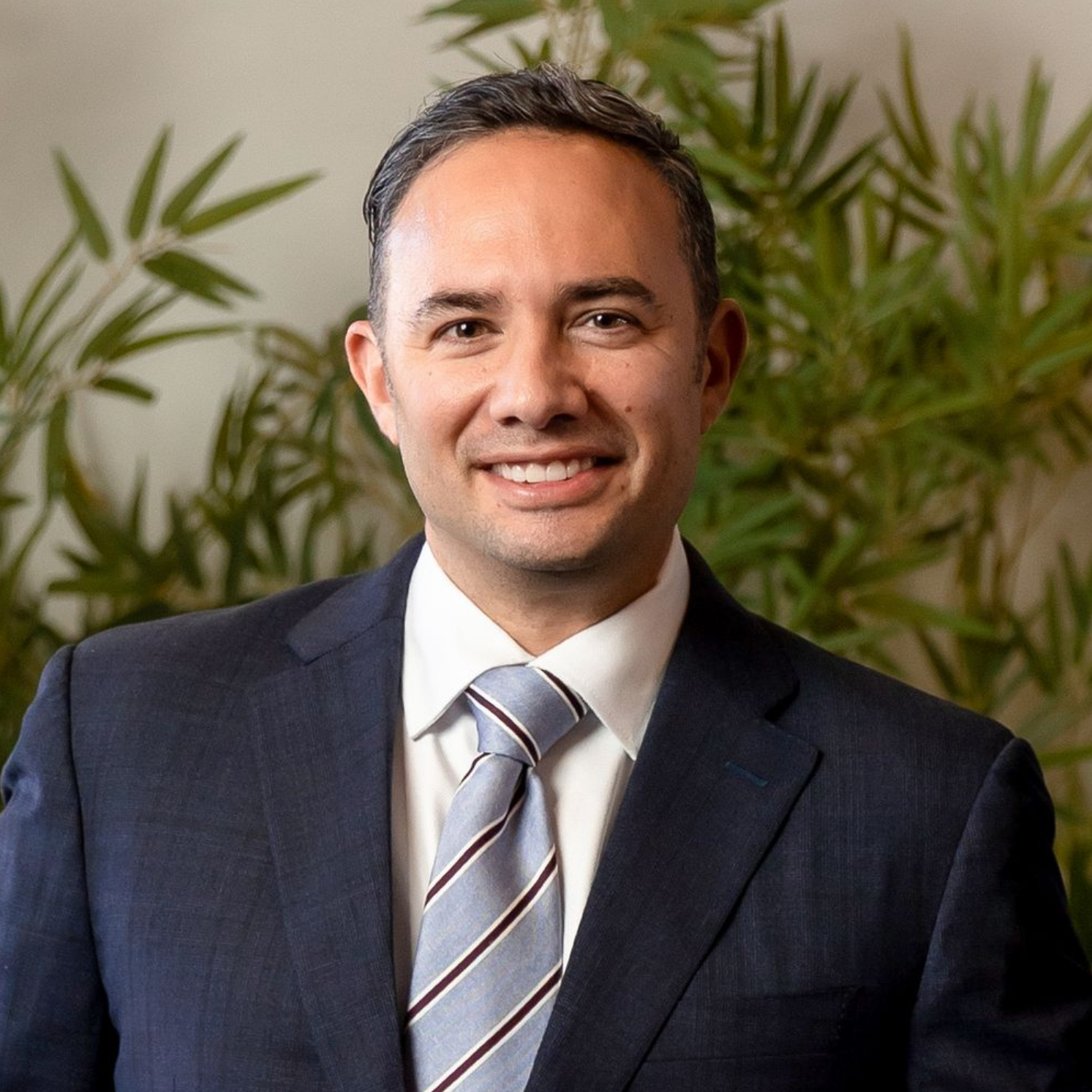
By: Michael Fusco
President of Joule Pro
INDEX
Joule Pro is a specialty insurance and risk program of Fusco Orsini & Associates Insurance Services, built exclusively for electrical contractors and licensed in 31 states.
We work with electrical firms across the country — from California, Texas, Florida, New York, and coast to coast — placing General Liability, Workers' Compensation, Commercial Auto, Inland Marine, Surety Bonds, Excess Liability, and full specialty coverage stacks for commercial, industrial, service, residential, and low-voltage electrical contractors. Joule Pro is not a separate licensed entity. It is a dedicated program structure inside Fusco Orsini, giving electrical contractors access to specialty carriers, in-house claims advocacy, and trade-specific risk engineering under one program.
Electrician Insurance By City
Electrician Insurance Coverage
Navigating Stockton Municipal Requirements and Permitting
City of Stockton Business License and Bonding
Before pulling any permits, you need a City of Stockton business license. The application requires proof of your active CSLB license, your contractor bond, and a certificate of insurance showing current general liability coverage. The city's Community Development Department handles these applications, and processing times vary, so don't wait until the week before a job starts.
Stockton also requires contractors to register with the city's business tax division. The tax is based on gross receipts, and the rates are published on the City of Stockton's business license page. One thing many new contractors miss: if you're subcontracting under a GC, you still need your own business license. The GC's license doesn't cover you.
Insurance Certificates for San Joaquin County Permits
San Joaquin County has its own permitting requirements for work done outside Stockton city limits but within the county. You'll need to provide a certificate of insurance (COI) naming the county as an additional insured on your GL policy for many permit types. This is standard, but the turnaround time for getting a COI from your carrier matters. Some carriers take days; a specialty program like Joule Pro, which works directly with licensed producers familiar with contractor requirements, can typically turn these around much faster.
County permits for electrical work on agricultural buildings, which are common in the surrounding area, sometimes have additional bonding or insurance requirements. Check with the San Joaquin County Building Division before bidding on these projects.
Mitigating Local Risks in the Stockton Market
Addressing Theft and Vandalism Risks in Urban Zones
Stockton has made real progress on public safety in recent years, but property crime remains a significant concern for contractors. Tool theft from vehicles and job sites is one of the most common claims Stockton electricians file. Leaving a van full of equipment parked overnight at a job site in certain neighborhoods is practically an invitation.
Practical steps that actually help: install GPS tracking on high-value tools, use locking tool boxes bolted to your vehicle, and never leave a van loaded overnight if you can avoid it. Some carriers offer premium discounts for contractors who use anti-theft measures, so document what you're doing and share it with your insurance provider during renewal.
Vandalism on unfinished job sites is another headache. If you're doing rough-in work on a new build, copper wire theft is a real possibility. Builder's risk policies or installation floaters can cover materials that have been installed but aren't yet part of a completed structure.
Flood Zone Considerations for Central Valley Projects
Stockton sits at the confluence of several waterways, and parts of the city and surrounding county fall within FEMA-designated flood zones. Standard commercial property and GL policies exclude flood damage. If you own or lease a shop or warehouse in a flood-prone area, you'll need a separate flood policy, typically through the National Flood Insurance Program or a private flood carrier.
Even if your own property isn't in a flood zone, working on projects in flood-prone areas creates exposure. Water damage to partially completed electrical installations can trigger claims. Make sure your policy's installation coverage addresses this scenario, and check whether flood-related losses are carved out of your inland marine coverage.
Understanding Carrier Appetite for California Electricians
Preferred Risks: Residential vs. Commercial Specialists
Not every insurance carrier wants to write policies for electricians, and among those that do, preferences vary widely. Carriers generally view residential electricians doing panel upgrades, rewiring, and EV charger installations as lower risk than commercial electricians working on large-scale projects or industrial facilities.
Here's a quick comparison of how carriers typically view different electrician profiles:
| Risk Profile | Carrier Appetite | Typical GL Premium Range |
|---|---|---|
| Residential only, under $500K revenue | High: many carriers compete | $2,500 - $5,000/year |
| Mixed residential/commercial | Moderate: fewer options | $5,000 - $12,000/year |
| Commercial/industrial focus | Limited: specialty markets needed | $10,000 - $25,000+/year |
| Solar/EV installation specialist | Growing: carrier interest increasing | $4,000 - $9,000/year |
| New contractor, under 3 years | Low: limited carrier options | Higher rates, fewer choices |
If you're a mixed residential and commercial shop, you'll likely need a specialty program that understands electrical trade risk. Generalist agencies often can't access the markets that are willing to write these policies at competitive rates.
Impact of Wildfire Surcharges on Regional Premiums
Stockton itself isn't in a high wildfire risk zone, but California's broader wildfire crisis has pushed insurance costs up statewide. Several major carriers have reduced their exposure in California or stopped writing new policies entirely, which tightens the market for everyone, including electricians in lower-risk areas like the Central Valley.
The practical effect: even though Stockton doesn't face direct wildfire exposure, you're competing for carrier capacity with contractors in fire-prone regions. This is where working with a specialty program matters. Joule Pro maintains relationships with underwriters who specifically write electrical contractor risks in California and understand that a Stockton-based electrician isn't the same risk as one working in the Sierra foothills.
Strategies for Lowering Insurance Premiums in Stockton
Safety Programs and CSLB Compliance Benefits
The single most effective way to lower your premiums over time is maintaining a clean loss history, and the best way to do that is running a real safety program. Not a binder that sits on a shelf: an active program with documented toolbox talks, job hazard analyses, and incident reporting.
CSLB compliance also matters. Keeping your license in good standing, maintaining your bond, and responding promptly to any CSLB inquiries signals to carriers that you run a professional operation. Carriers check CSLB records during underwriting, and unresolved complaints or license suspensions are red flags that will either increase your premium or get you declined outright.
Bundling Policies with Regional Carriers
Buying GL, workers' comp, commercial auto, and inland marine from different carriers is almost always more expensive than bundling them. A single carrier or program that handles your full coverage stack can offer package discounts, and it dramatically simplifies your administration. One renewal date, one point of contact, one audit process.
Regional carriers and specialty programs that focus on California contractors often offer better rates than national carriers for Stockton-area electricians. They understand the local risk profile and aren't applying blanket surcharges meant for higher-risk regions.
FAQ
How much does general liability insurance cost for an electrician in Stockton? Most residential electricians pay between $2,500 and $5,000 annually for a standard $1M/$2M GL policy. Commercial or mixed-use contractors pay more, often $5,000 to $12,000 or higher depending on revenue and job types.
Do I need insurance if I'm a sole proprietor with no employees? You still need GL and likely commercial auto. Workers' comp is technically optional for sole proprietors in California, but many GCs require it before they'll let you on their job site.
Can I use my personal auto insurance for my work van? No. Personal auto policies exclude commercial use. If you're in an accident while driving to a job site, your personal policy can deny the claim entirely.
What's the difference between a contractor bond and insurance? Your $25,000 CSLB bond protects consumers who file claims against your license. Insurance protects your business from liability, property damage, and injury claims. They serve completely different purposes.
How do I get a certificate of insurance for a Stockton permit? Contact your insurance provider and request a COI naming the City of Stockton or San Joaquin County as an additional insured. A specialty program familiar with contractor requirements can usually issue these within 24 hours.
Your Next Steps
Getting the right insurance coverage for your Stockton electrical contracting business isn't just about checking boxes for permits and compliance. It's about matching your policies to the actual risks you face: theft, flood exposure, aging housing stock, and a tightening California insurance market. The contractors who pay the least over time are the ones who invest in safety, maintain clean records, and work with insurance programs that specialize in their trade. If you're shopping for coverage or feel like you're overpaying, reach out to Joule Pro for a quote tailored specifically to licensed electrical contractors. A licensed producer who understands your business can often find better coverage at lower cost than what you're carrying today.

Founder & CEO
The Force Behind the Program
About the Author:
Michael Fusco.
Fusco Orsini & Associates
Joule Pro exists because Mike Fusco saw electrical contractors getting boilerplate insurance — and built a program designed for the way the trade actually works.
Mike is the CEO and co-founder of Fusco Orsini & Associates, the San Diego–based independent agency he launched in 2010. Under his leadership FOA has grown into a nationwide partner serving clients across 31 states, with a personal, client-first approach to commercial insurance and risk.
With over 20 years in insurance and risk management, he specializes in tailored programs spanning general liability, workers' compensation, surety bonding, and employee benefits — helping owners confidently manage risk and pursue growth.
Mike holds a B.S. in Business from the University of Maryland — Robert H. Smith School of Business, and the Certified Insurance Counselor (CIC) designation, held by fewer than 3% of insurance professionals nationwide.
Trusted by Electrical Contractors Across the Country.
Select your state for electrical contractor insurance. Get requirements, cost ranges, and more information for your business.
Alabama
Arkansas
Louisiana
Kentucky
New Hampshire
Vermont
Rhode Island
Massachusetts
N. Dakota
S. Dakota
Oklahoma
Delaware
What Our Clients Say
Trusted by Electrical Contractors Across the Country.
5.0
★★★★★
Google reviews
Core Commercial Coverage
Business Insurance for Electrical Contractors.
The fundamentals — written, structured, and priced for electrical risk. Each line is reviewed annually by an underwriter who only writes our trade.
01
General Liability
Premises & completed-operations coverage with electrical-specific endorsements and full pollution carve-back options.
02
Workers' Compensation
Class-code optimization, experience-mod review, and return-to-work programs designed for energized-work exposures.
03
Commercial Auto
Fleet, hired & non-owned auto, and tools-in-transit coverage written for service vans and bucket trucks.
04
Tools & Equipment
Scheduled and blanket coverage for tools, test equipment, scissor lifts, and contractor's equipment on-site or in-transit.
05
Surety Bonds
Bid, performance, and payment bonds — single-job and aggregate programs for commercial & public-works contracts.
06
Commercial Property
Layered limits up to $50M with carrier panels covering your shop, warehouse, yard, and on-premises tools, materials, and equipment.
Who We Serve
Electrical Contractors We Specialize In.
From $5M service shops to $250M industrial primes — every Joule Pro program is shaped to the contractor's revenue mix and project profile.
01 / Industrial
Commercial & Industrial Electrical Contractors
High-voltage, substation, and plant electrical work. Pollution, builder's risk, and large-deductible WC programs.
02 / Service
Service & Residential Electrical Contractors
Service-call shops, panel upgrades, and EV charging installers. Auto-fleet, GL, and tool-coverage programs.
03 / Low-Voltage
Specialty & Low-Voltage Contractors
Data, fire-alarm, security, and BMS controls. Cyber, professional liability, and follow-form excess.
Frequently Asked Questions
Common
Questions From
Electrical Contractors.
What size electrical contractors do you write?
Joule Pro is built for licensed electrical firms from roughly $2M in revenue to $250M+. Below $2M we typically refer to our small-business desk; above $250M we underwrite individually with our industrial practice team.
Do I need to be licensed in multiple states?
No. We license you wherever you work. Joule Pro is admitted in 31 states and our compliance team handles multi-state filings, prevailing-wage endorsements, and certificate-of-insurance requirements.
How is Joule Pro different from a generic contractor program?
Generic programs use a contractor's questionnaire that treats you like a roofer. We use forms written for energized work, arc-flash exposures, and design-build risk — and our carriers price accordingly.
What does the claims process actually look like?
Every Joule Pro client is assigned a named claims advocate at bind. They take the FNOL, set strategy with your assigned attorney, and serve as your single point of contact through close.
Can you bond large public-works contracts?
Yes. Through our surety partners we write single-job bonds up to $75M and aggregate programs to $300M, with expedited turnarounds for school district, federal, and DOT work.
What happens at renewal?
Your producer and claims advocate jointly run a renewal review 90 days out — covering loss trends, exposure changes, and market alternatives — so renewal day is a confirmation, not a surprise.
From the Blog
Insights for Electrical Contractors.
Risk briefings, claim post-mortems, and program updates — written by our underwriters and risk engineers.


Get Started
Get a Quote on a Program Built Around Your Trade.
A 30-minute discovery call is the only commitment. You'll leave with a written gap analysis of your current program — yours to keep, whether you bind with us or not.