
Business Insurance
Hollywood, FL Electrician Insurance
★★★★★ 150+ Five-Star Reviews · Google & Facebook
Hollywood, FL, sits at the intersection of coastal vulnerability and rapid urban development, which creates a unique risk profile for electrical contractors working in the area. Between the salt air corroding outdoor panels, hurricane season threatening job sites six months out of the year, and a construction boom that shows no signs of slowing down along the Broadwalk and Young Circle corridors, electricians here face exposures that contractors in landlocked cities simply don't. Getting the right insurance coverage isn't just about checking a box for your license renewal: it's about protecting a business that operates in one of the most demanding environments in the country. This guide covers everything Hollywood electricians need to know about coverage requirements, local permitting nuances, city-specific hazards, and which carriers are actually willing to write policies in South Florida's hardened insurance market. If you've been quoted sky-high premiums or had trouble finding coverage at all, you're not alone, and understanding the "why" behind those numbers is the first step toward fixing the problem.
Essential Insurance Policies for Electricians in Hollywood, FL
General Liability and Property Damage Coverage
General liability (GL) is the foundation of any electrician's insurance program. It covers third-party bodily injury and property damage claims, which in Hollywood means everything from a homeowner tripping over your cable run to a faulty installation sparking a fire in a commercial kitchen. Most general contractors and property managers in Broward County won't let you on site without a GL policy showing at least $1 million per occurrence and $2 million aggregate.
What catches some electricians off guard is the completed operations exposure. If you wire a panel in a Hollywood Beach condo and something fails two years later, your GL policy's completed operations coverage is what responds to that claim. This is a big deal in a city with aging infrastructure mixed alongside new construction. Make sure your policy doesn't sunset completed operations coverage prematurely.
Property damage claims in South Florida tend to run higher than the national average because of elevated material and labor costs. A $500,000 GL limit that might work in a rural market often falls short here. Many Hollywood electricians carry $1 million/$2 million limits as a baseline, with umbrella policies adding another $1 million to $5 million on top.
Workers' Compensation Requirements in Florida
Florida requires workers' compensation for any electrical contractor with one or more employees, including corporate officers. The classification code for electricians (5190) carries a relatively high rate in Florida, partly because of the inherent danger of the trade and partly because Florida's workers' comp system has seen significant medical cost inflation.
Sole proprietors and partners can exempt themselves, but doing so is risky. If you're injured on a job and you've opted out, there's no safety net. Beyond that, many general contractors in Hollywood require proof of workers' comp even from subs who technically qualify for an exemption. It's become a practical requirement even where it isn't a legal one.
One thing to keep in mind: misclassifying employees as 1099 subcontractors is one of the fastest ways to get hit with an audit surcharge. Florida's Division of Workers' Compensation actively investigates this, and penalties can be steep.
Commercial Auto and Inland Marine Protection
Your work van full of tools, meters, and wire is probably one of your most valuable business assets. Commercial auto insurance covers liability and physical damage for vehicles used in your electrical business, and personal auto policies almost always exclude commercial use. If you're driving a branded van to job sites in Hollywood and get into an accident, your personal policy will likely deny the claim.
Inland marine insurance, sometimes called a tools and equipment floater, covers your portable tools, testing equipment, and materials in transit or stored at job sites. This matters in Hollywood because tool theft from job sites and vehicles is a real problem, particularly on larger construction projects where multiple trades are working simultaneously. A standard commercial property policy won't cover tools once they leave your shop.
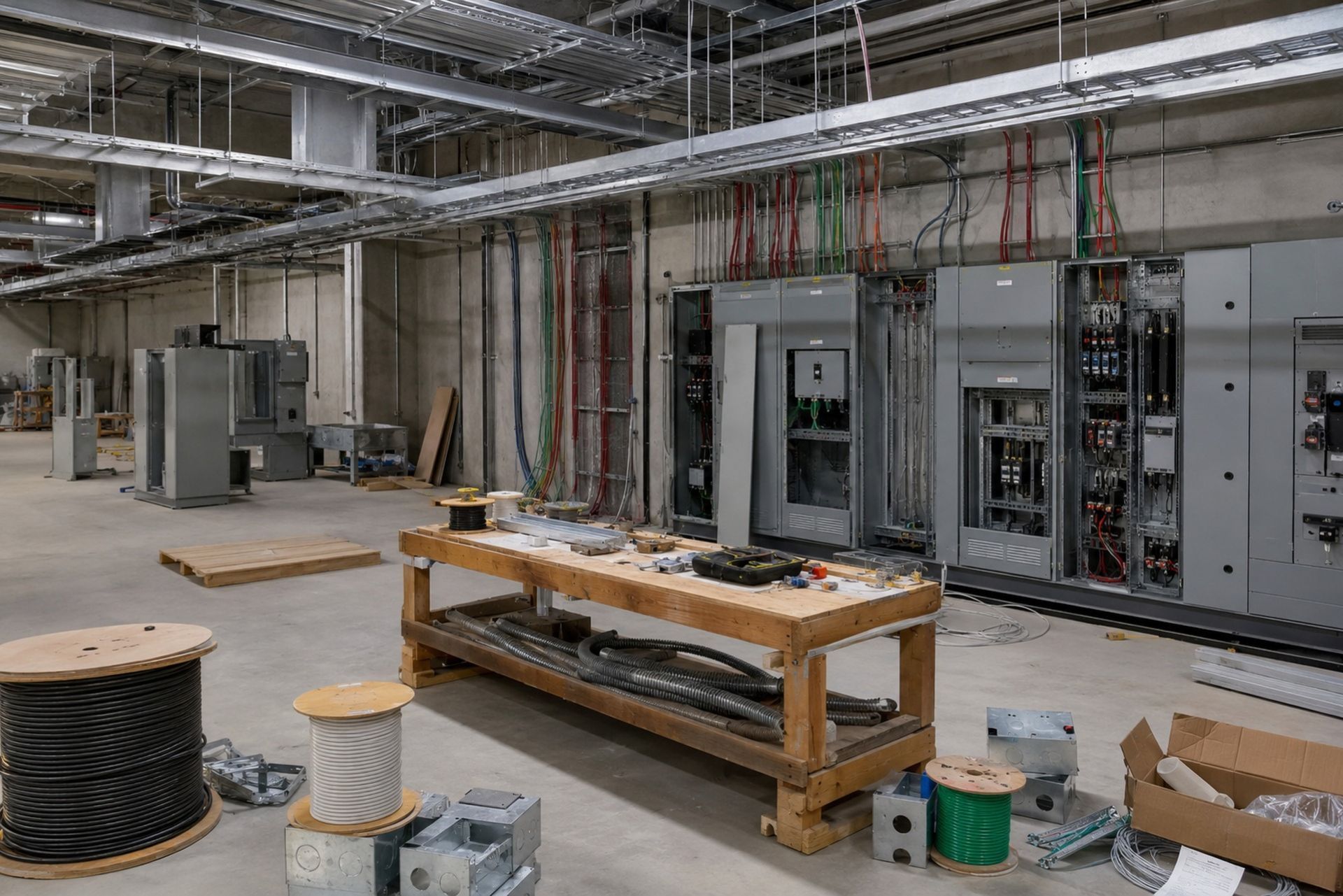
Joule Pro bundles these coverages into a contractor-specific insurance stack designed for electricians, which means your commercial auto, inland marine, and GL all work together without gaps between policies.

By: Michael Fusco
President of Joule Pro
INDEX
Joule Pro is a specialty insurance and risk program of Fusco Orsini & Associates Insurance Services, built exclusively for electrical contractors and licensed in 31 states.
We work with electrical firms across the country — from California, Texas, Florida, New York, and coast to coast — placing General Liability, Workers' Compensation, Commercial Auto, Inland Marine, Surety Bonds, Excess Liability, and full specialty coverage stacks for commercial, industrial, service, residential, and low-voltage electrical contractors. Joule Pro is not a separate licensed entity. It is a dedicated program structure inside Fusco Orsini, giving electrical contractors access to specialty carriers, in-house claims advocacy, and trade-specific risk engineering under one program.
Electrician Insurance By City
Electrician Insurance Coverage
Navigating Hollywood City Permitting and Licensing Bonds
Certificate of Insurance (COI) Standards for City Projects
The City of Hollywood requires contractors to provide a Certificate of Insurance before pulling permits for most electrical work. COI requirements typically specify minimum GL limits, workers' comp verification, and sometimes additional insured status for the property owner or general contractor.
Here's where it gets specific: Hollywood's Building Division often requires the city itself to be listed as an additional insured on your GL policy for municipal projects. Your insurance provider needs to be able to issue these endorsements quickly, because permit delays cost money. Working with a specialty program like Joule Pro, where licensed producers handle endorsements and COIs directly, can save days compared to waiting on a generalist agency that doesn't understand contractor workflows.
A notable change is coming in mid-2026: Florida House Bill 803 removes building permit requirements for residential electrical work valued under a certain threshold, effective July 1, 2026. This could reduce some administrative burden for smaller residential jobs, but it doesn't change your insurance obligations. You still need coverage regardless of whether a permit is required.
Surety Bonds for Broward County Electrical Contractors
Broward County requires electrical contractors to carry a surety bond as part of their licensing. This bond guarantees that you'll perform work according to code and fulfill your contractual obligations. It's separate from your insurance policies and serves a different purpose: protecting the public rather than protecting your business.
Bond amounts vary based on the type of license and scope of work. Electrical contractors in Broward typically need a $5,000 bond at minimum, though some project-specific bonds run much higher. Your bonding capacity depends on your credit, financial statements, and claims history.
Don't confuse bonds with insurance. A bond is essentially a line of credit: if a claim is paid against your bond, you owe the surety company back. Insurance pays claims on your behalf without requiring repayment.
City-Specific Risks: Coastal Weather and High-Density Construction
Mitigating Flood and Hurricane-Related Electrical Failures
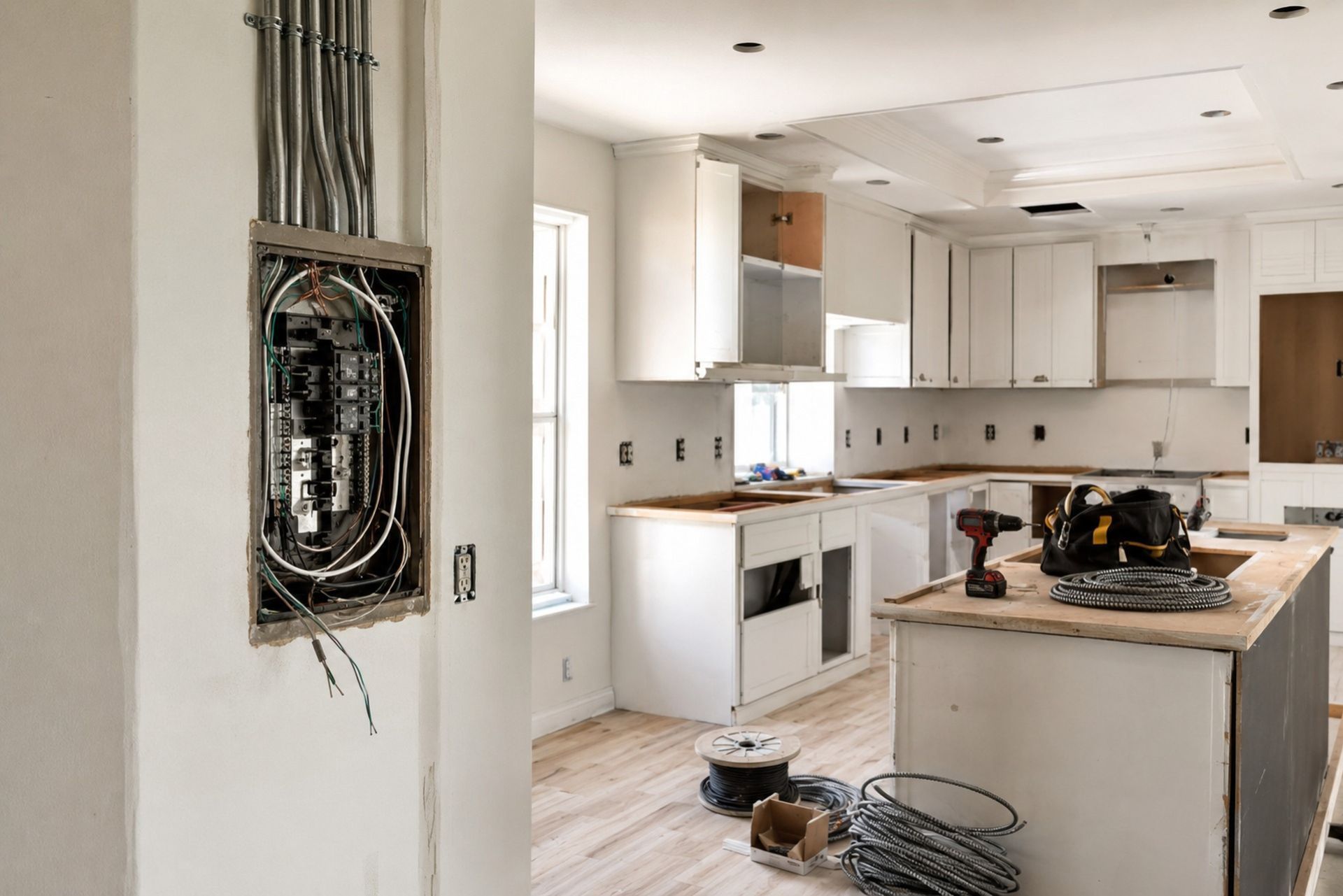
Hollywood sits in one of the most hurricane-prone regions in the United States. Electrical systems are particularly vulnerable during storms because water intrusion into panels, transformers, and conduit runs can cause catastrophic failures, fires, and electrocution hazards.
For electricians, this means two things. First, your own business property, including your shop, warehouse, and stored inventory, needs flood coverage. Standard commercial property policies exclude flood damage, so you'll need a separate flood policy, either through the National Flood Insurance Program or a private carrier. Second, your liability exposure spikes during and after hurricane season. Emergency restoration work, generator installations, and storm damage repairs all carry elevated risk.
Smart contractors in Hollywood build hurricane preparedness into their risk management plans: securing job sites before storms, documenting existing conditions with photos, and maintaining clear communication with their insurance provider about active projects.
Liability Risks in High-Rise Condos and Hospitality Zones
Hollywood's coastline is lined with high-rise condominiums and hotels. Working in these buildings introduces liability exposures that don't exist on single-family residential jobs. A wiring error in a 20-story condo can affect dozens of units. Water damage from a penetration through a fire-rated wall assembly can trigger claims from multiple unit owners simultaneously.
The hospitality sector along Hollywood Beach adds another layer. Hotels and restaurants have zero tolerance for electrical downtime, and business interruption claims from commercial tenants can dwarf the cost of the actual repair. If your work causes a restaurant to shut down for three days, you could be looking at a liability claim that includes their lost revenue.
| Coverage Type | Residential Focus | Commercial/High-Rise Focus |
|---|---|---|
| GL Limits | $1M/$2M typical | $2M/$4M+ recommended |
| Completed Operations | Standard | Extended tail preferred |
| Umbrella/Excess | $1M often sufficient | $2M-$5M+ common |
| Inland Marine | Basic tool coverage | Higher limits for specialty equipment |
| Workers' Comp | Required with 1+ employees | Same, but higher payroll = higher premium |
Carrier Appetite and Market Trends in South Florida
Admitted vs. Non-Admitted Carriers for Florida Trades
Florida's insurance market has been under stress for years, and the electrical trades feel that pressure acutely. Admitted carriers, those regulated by the Florida Office of Insurance Regulation, have pulled back from writing contractor policies in South Florida due to hurricane losses and litigation costs. That leaves many electricians shopping in the surplus lines (non-admitted) market, where rates can run 20-40% higher than admitted alternatives.
Non-admitted carriers aren't inherently bad. They're often well-capitalized specialty insurers that understand trade risks. The tradeoff is that they're not backed by the Florida Insurance Guaranty Association, so if the carrier goes insolvent, you have less protection.
This is exactly where working with a specialty program matters. Joule Pro maintains relationships with underwriters who specifically focus on electrical contractor risks, which means access to markets that a generalist agent may not even know exist.
Factors Influencing Premiums for Hollywood Electricians
Your premium is driven by several factors: annual revenue, payroll, number of employees, type of work (residential vs. commercial), claims history, and years in business. In Hollywood specifically, your zip code also matters. Coastal proximity increases property and liability rates.
Electricians doing primarily residential service work will generally pay less than those wiring new commercial construction. A clean claims history over three to five years can earn significant discounts. On the flip side, even one large claim can spike your rates for years.
One often-overlooked factor is subcontractor management. If you hire subs without verifying their insurance, your carrier may charge you for their exposure or, worse, deny a claim that traces back to an uninsured sub's work.
Risk Management Strategies for Long-Term Business Growth
Building a sustainable electrical contracting business in Hollywood means treating risk management as a core business function, not an afterthought. Start with documentation: photograph every job before, during, and after. Maintain written contracts with clear scope-of-work language. Verify insurance certificates from every subcontractor before they set foot on your site.
Invest in safety training, especially around arc flash protection, lockout/tagout procedures, and ladder safety. Florida OSHA citations carry real financial consequences, and a strong safety record directly lowers your workers' comp premiums over time through experience modification rate improvements.
Review your insurance program annually. Your coverage needs shift as your business grows, as you take on larger projects, or as you expand into new service areas like EV charger installations or solar tie-ins. A policy that fit your business two years ago may leave dangerous gaps today.
Frequently Asked Questions
How much does general liability insurance cost for electricians in Hollywood, FL? Expect to pay between $2,500 and $6,000 annually for a $1M/$2M GL policy, depending on your revenue, claims history, and scope of work. Commercial-focused electricians typically pay more than residential service contractors.
Do I need flood insurance if I only work at customer sites? If you own or lease a shop, warehouse, or office in a flood zone, yes. Your tools and inventory stored there won't be covered under a standard property policy during a flood event.
Can I use my personal auto insurance for my work van? No. Personal auto policies exclude vehicles used for commercial purposes. If you're driving to job sites, hauling tools, or have business signage on your vehicle, you need a commercial auto policy.
What happens if my subcontractor doesn't have insurance? Your carrier may treat uninsured subs as your employees for workers' comp purposes, increasing your premium. Worse, claims arising from their work could fall on your policy.
Is a surety bond the same as insurance? No. A surety bond protects the public and requires you to repay the bonding company if a claim is paid. Insurance protects you and pays claims without requiring repayment.
Your Next Steps
Hollywood's combination of coastal exposure, dense urban construction, and a tightening insurance market makes coverage decisions genuinely consequential for electricians here. The contractors who fare best are the ones who understand their specific risks, maintain clean documentation, and work with insurance providers who specialize in the electrical trade rather than treating it as one of fifty industries they dabble in.
If you're unsure whether your current coverage matches the work you're actually doing in Hollywood, get a policy review from a licensed producer who understands electrical contractor exposures. Joule Pro's team works exclusively with electricians and can identify gaps that generalist agencies routinely miss. Reach out for a coverage review before your next renewal: the cost of being underinsured always exceeds the cost of getting it right.

Founder & CEO
The Force Behind the Program
About the Author:
Michael Fusco.
Fusco Orsini & Associates
Joule Pro exists because Mike Fusco saw electrical contractors getting boilerplate insurance — and built a program designed for the way the trade actually works.
Mike is the CEO and co-founder of Fusco Orsini & Associates, the San Diego–based independent agency he launched in 2010. Under his leadership FOA has grown into a nationwide partner serving clients across 31 states, with a personal, client-first approach to commercial insurance and risk.
With over 20 years in insurance and risk management, he specializes in tailored programs spanning general liability, workers' compensation, surety bonding, and employee benefits — helping owners confidently manage risk and pursue growth.
Mike holds a B.S. in Business from the University of Maryland — Robert H. Smith School of Business, and the Certified Insurance Counselor (CIC) designation, held by fewer than 3% of insurance professionals nationwide.
Trusted by Electrical Contractors Across the Country.
Select your state for electrical contractor insurance. Get requirements, cost ranges, and more information for your business.
Alabama
Arkansas
Louisiana
Kentucky
New Hampshire
Vermont
Rhode Island
Massachusetts
N. Dakota
S. Dakota
Oklahoma
Delaware
What Our Clients Say
Trusted by Electrical Contractors Across the Country.
5.0
★★★★★
Google reviews
Core Commercial Coverage
Business Insurance for Electrical Contractors.
The fundamentals — written, structured, and priced for electrical risk. Each line is reviewed annually by an underwriter who only writes our trade.
01
General Liability
Premises & completed-operations coverage with electrical-specific endorsements and full pollution carve-back options.
02
Workers' Compensation
Class-code optimization, experience-mod review, and return-to-work programs designed for energized-work exposures.
03
Commercial Auto
Fleet, hired & non-owned auto, and tools-in-transit coverage written for service vans and bucket trucks.
04
Tools & Equipment
Scheduled and blanket coverage for tools, test equipment, scissor lifts, and contractor's equipment on-site or in-transit.
05
Surety Bonds
Bid, performance, and payment bonds — single-job and aggregate programs for commercial & public-works contracts.
06
Commercial Property
Layered limits up to $50M with carrier panels covering your shop, warehouse, yard, and on-premises tools, materials, and equipment.
Who We Serve
Electrical Contractors We Specialize In.
From $5M service shops to $250M industrial primes — every Joule Pro program is shaped to the contractor's revenue mix and project profile.
01 / Industrial
Commercial & Industrial Electrical Contractors
High-voltage, substation, and plant electrical work. Pollution, builder's risk, and large-deductible WC programs.
02 / Service
Service & Residential Electrical Contractors
Service-call shops, panel upgrades, and EV charging installers. Auto-fleet, GL, and tool-coverage programs.
03 / Low-Voltage
Specialty & Low-Voltage Contractors
Data, fire-alarm, security, and BMS controls. Cyber, professional liability, and follow-form excess.
Frequently Asked Questions
Common
Questions From
Electrical Contractors.
What size electrical contractors do you write?
Joule Pro is built for licensed electrical firms from roughly $2M in revenue to $250M+. Below $2M we typically refer to our small-business desk; above $250M we underwrite individually with our industrial practice team.
Do I need to be licensed in multiple states?
No. We license you wherever you work. Joule Pro is admitted in 31 states and our compliance team handles multi-state filings, prevailing-wage endorsements, and certificate-of-insurance requirements.
How is Joule Pro different from a generic contractor program?
Generic programs use a contractor's questionnaire that treats you like a roofer. We use forms written for energized work, arc-flash exposures, and design-build risk — and our carriers price accordingly.
What does the claims process actually look like?
Every Joule Pro client is assigned a named claims advocate at bind. They take the FNOL, set strategy with your assigned attorney, and serve as your single point of contact through close.
Can you bond large public-works contracts?
Yes. Through our surety partners we write single-job bonds up to $75M and aggregate programs to $300M, with expedited turnarounds for school district, federal, and DOT work.
What happens at renewal?
Your producer and claims advocate jointly run a renewal review 90 days out — covering loss trends, exposure changes, and market alternatives — so renewal day is a confirmation, not a surprise.
From the Blog
Insights for Electrical Contractors.
Risk briefings, claim post-mortems, and program updates — written by our underwriters and risk engineers.


Get Started
Get a Quote on a Program Built Around Your Trade.
A 30-minute discovery call is the only commitment. You'll leave with a written gap analysis of your current program — yours to keep, whether you bind with us or not.