Business Insurance
Raleigh, NC Electrician Insurance
★★★★★ 150+ Five-Star Reviews · Google & Facebook
Underwriting Preferences for Residential vs. Industrial Projects
Raleigh's construction boom shows no signs of slowing. Between the influx of tech companies, new residential developments spreading across Wake County, and a downtown that keeps adding cranes to its skyline, electrical contractors here are busier than they've been in years. But more work means more exposure, and more exposure means your insurance program needs to keep pace. This guide to electrician insurance in Raleigh covers the coverage types you actually need, the local permitting quirks that catch contractors off guard, the city-specific risks that shape your policies, and which carriers have appetite for electrical trade work in the Research Triangle. If you're a licensed electrician running jobs in or around Raleigh, this is the stuff that protects your livelihood when a project goes sideways.
Essential Insurance Policies for Raleigh Electrical Contractors
General Liability and Property Damage for Job Sites
General liability is the foundation of any electrical contractor's insurance program, and in Raleigh it's non-negotiable. Most general contractors won't even let you on a job site without proof of GL coverage, typically with $1 million per occurrence and $2 million aggregate limits. This policy covers third-party bodily injury and property damage: think a homeowner tripping over your cable run, or an accidental arc that scorches a client's newly finished drywall.
What trips up a lot of Raleigh electricians is the products-completed operations exposure. If you install a panel and it causes a fire six months later, your GL policy's completed operations coverage is what responds. With the volume of new construction happening across North Raleigh and Cary, the number of completed projects in your portfolio grows fast, and so does your trailing liability. Make sure your policy doesn't sunset this coverage prematurely.
A specialty program like Joule Pro structures GL policies specifically for electrical contractors, which means the endorsements and exclusions actually match how you work, not how a general handyman operates.
Workers' Compensation Requirements in North Carolina
North Carolina requires workers' compensation insurance for any business with three or more employees. That threshold is lower than many contractors expect, and it includes part-time and seasonal workers. If you're running a crew of even three helpers during a busy summer, you need a policy in force.
Workers' comp in the electrical trade carries higher classification rates than many other construction trades because of the inherent shock and fall hazards. In North Carolina, the class code 5190 (electrical wiring) typically sees rates that reflect this elevated risk. Your experience modification rate (EMR) matters enormously here: a clean safety record can save you thousands annually, while a couple of lost-time claims will push your mod above 1.0 and make renewals painful.
One common mistake: subcontracting work to uninsured helpers. If they get hurt, North Carolina law treats them as your employees for workers' comp purposes, and you're on the hook.
Commercial Auto and Inland Marine for Tools in Transit
Your work trucks are rolling toolboxes, and a standard personal auto policy won't cover commercial use. Commercial auto insurance covers liability and physical damage for vehicles used in your business. In Raleigh, where electricians often drive 30-plus miles between job sites spread from Garner to Wake Forest, windshield time is significant, and so is your auto exposure.
Inland marine coverage is the piece that protects your tools and equipment, both in transit and at job sites. A fully stocked service van can easily carry $15,000 to $40,000 in tools, meters, and materials. Standard commercial property policies usually exclude items in transit or at temporary locations, which is exactly where your gear lives most of the time. Inland marine fills that gap.

By: Michael Fusco
President of Joule Pro
INDEX
Essential Insurance Policies for Raleigh Electrical Contractors
Navigating City of Raleigh Permitting and Bonding Requirements
Addressing Raleigh-Specific Environmental and Infrastructure Risks
Carrier Appetite and Market Trends in the Research Triangle
Joule Pro is a specialty insurance and risk program of Fusco Orsini & Associates Insurance Services, built exclusively for electrical contractors and licensed in 31 states.
We work with electrical firms across the country — from California, Texas, Florida, New York, and coast to coast — placing General Liability, Workers' Compensation, Commercial Auto, Inland Marine, Surety Bonds, Excess Liability, and full specialty coverage stacks for commercial, industrial, service, residential, and low-voltage electrical contractors. Joule Pro is not a separate licensed entity. It is a dedicated program structure inside Fusco Orsini, giving electrical contractors access to specialty carriers, in-house claims advocacy, and trade-specific risk engineering under one program.
Electrician Insurance By City
Electrician Insurance Coverage
Navigating City of Raleigh Permitting and Bonding Requirements
Surety Bonds and Licensing with the NC State Board of Electrical Contractors
Every electrical contractor working in North Carolina must hold a license issued by the NC State Board of Examiners of Electrical Contractors. The board requires proof of financial responsibility, and for most contractors, that means carrying a surety bond. The bond amount varies based on your license classification, but it serves as a guarantee that you'll comply with state electrical codes and fulfill your contractual obligations.
Don't confuse a surety bond with insurance: they're fundamentally different. A surety bond protects the public and your clients. If a claim is paid against your bond, you owe the surety company back. Insurance, on the other hand, pays claims on your behalf. You need both, and your insurance agent should understand the distinction well enough to help you coordinate them.
Insurance Documentation for Raleigh Development Services Permits
Pulling permits through Raleigh's Development Services Department requires specific documentation, and insurance certificates are part of the package. Raleigh has established a minimum trade permit fee of $128, which includes a mandatory 4% technology surcharge effective for the current permit cycle. That fee is just the starting point: larger commercial projects carry higher permit costs based on project valuation.
The city often requires certificates of insurance naming the property owner or general contractor as an additional insured. If your insurance carrier takes three days to issue a certificate, that's three days your permit sits in limbo. Working with a producer who handles electrical contractor policies daily, like the team at Joule Pro backed by Fusco Orsini & Associates, means certificates get turned around fast because they already know what Raleigh's permitting office expects to see.
Addressing Raleigh-Specific Environmental and Infrastructure Risks
Mitigating Risks of Rapid Urban Growth and High-Density Construction
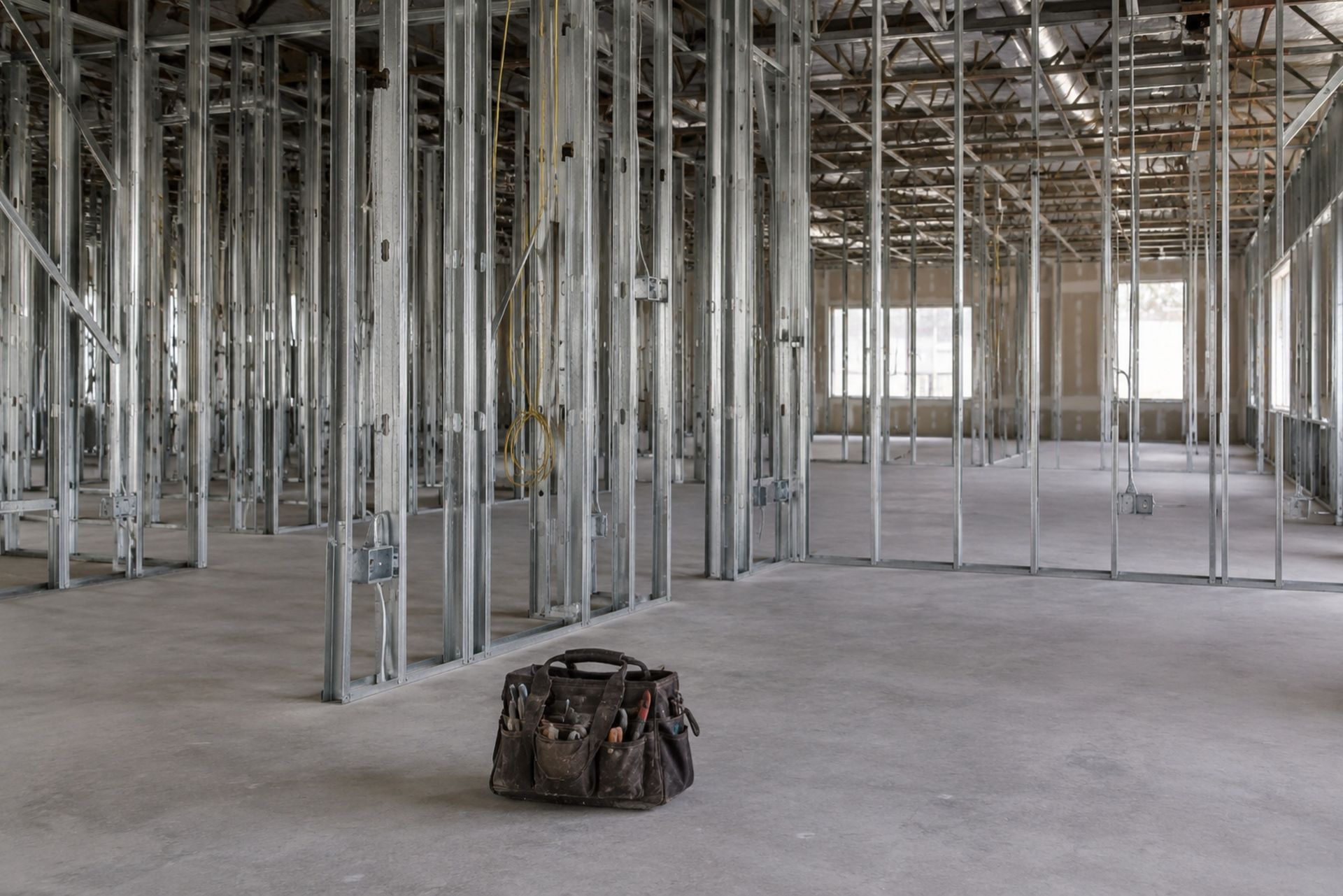
Raleigh's population growth has been among the fastest in the Southeast for years, and the construction activity that follows creates specific insurance challenges for electricians. High-density mixed-use projects, which now dominate downtown and the areas along the Beltline, mean you're working in tighter spaces alongside more trades simultaneously. The probability of a cross-trade incident, where your work intersects with plumbing, HVAC, or structural elements, goes up significantly.
This density also increases your completed operations exposure. A wiring defect in a 200-unit apartment building doesn't just affect one client: it potentially affects hundreds. Carriers underwriting electrical work in high-growth metros like Raleigh pay close attention to the types of projects you take on. Residential service calls carry different risk profiles than new commercial construction, and your policy should reflect the actual mix of work you perform.
Climate Considerations: Severe Storm and Humidity Impact on Electrical Work
Central North Carolina's climate creates real problems for electrical systems. Raleigh averages around 46 inches of rainfall annually, and the region sits in the path of tropical systems that push inland from the coast. Severe thunderstorms with lightning are common from May through September, and these storms generate a significant volume of service calls for surge damage, panel replacements, and emergency repairs.
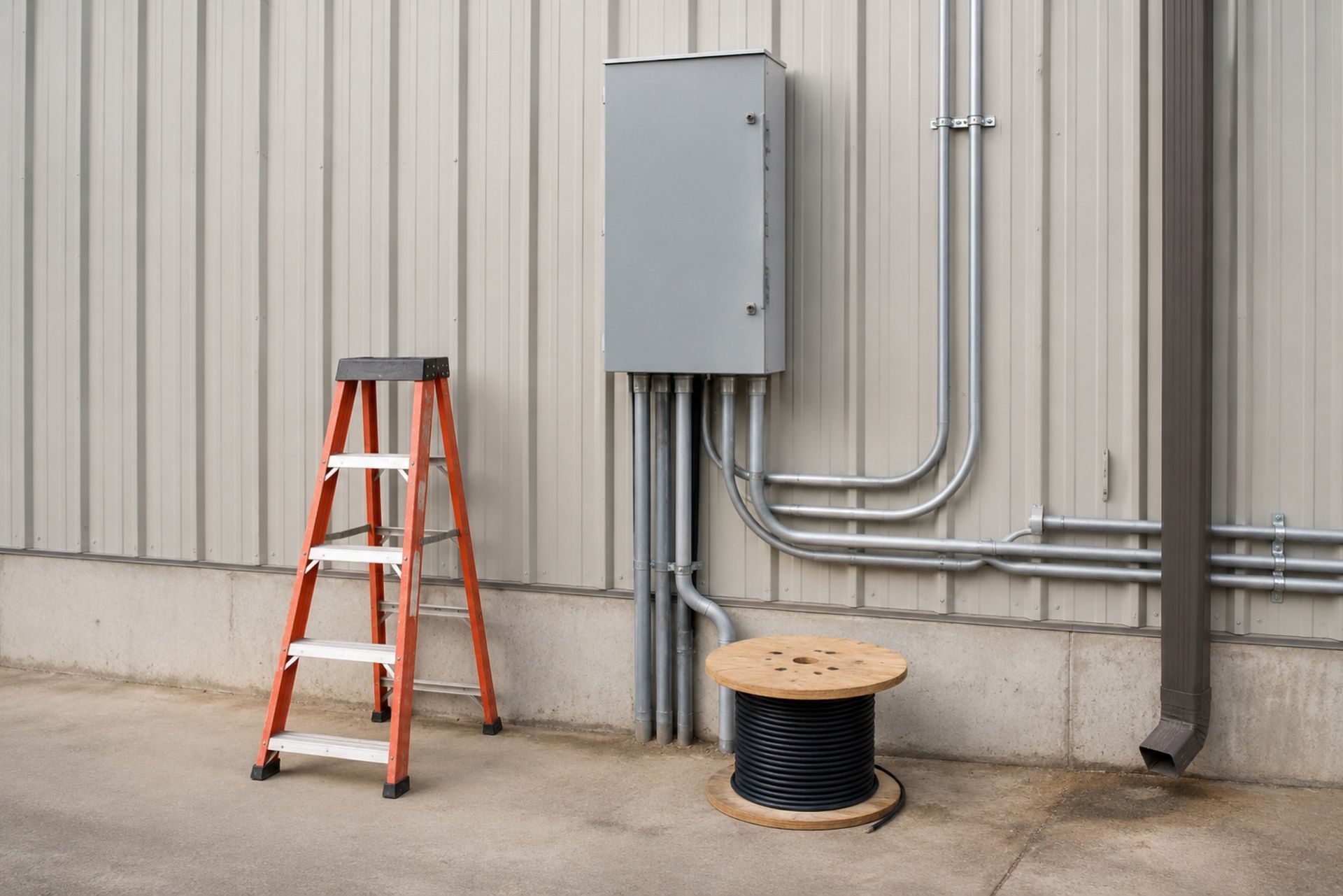
Humidity is the quieter threat. Persistent moisture accelerates corrosion in junction boxes, outdoor panels, and underground conduit. When a corroded connection fails and causes property damage, the claim traces back to your installation. Your GL policy's completed operations coverage becomes critical in these scenarios, and carriers evaluating Raleigh electricians factor in this climate-driven exposure when pricing your premium.
Carrier Appetite and Market Trends in the Research Triangle
Top-Rated Insurance Carriers for North Carolina Skilled Trades
Not every insurance company wants to write electrical contractor policies. The risk profile, especially the fire and shock exposure, makes some carriers skittish. In the Research Triangle market, the carriers with genuine appetite for electrical trade work tend to be specialty or surplus lines companies that understand construction class codes and have dedicated underwriting teams for skilled trades.
Carriers with strong appetite in this region typically offer package policies that bundle GL, commercial auto, and inland marine into a single program with consistent renewal terms. That bundling matters because it eliminates coverage gaps between standalone policies. A specialty program like Joule Pro maintains relationships with these carriers specifically because they've demonstrated consistent appetite for electrical contractors, meaning your renewal doesn't get non-renewed just because a carrier decides to exit the trade class.
| Factor | Residential Specialists | Commercial/Industrial Specialists |
|---|---|---|
| Carrier availability | Broad - many standard market options | Narrower - often requires specialty markets |
| Typical GL premium range | $2,500 - $6,000/year | $8,000 - $25,000+/year |
| Underwriting focus | Claims history, license status | Revenue size, project types, subcontractor use |
| Common | EIFS, solar (some carriers) | High-voltage, hazardous locations |
| Preferred loss runs | 3 years minimum | 5 years preferred |
Factors Influencing Premium Costs in the Raleigh-Durham Metro Area
Your premium isn't just a function of your payroll and revenue. In the Raleigh-Durham metro, several local factors push costs up or down. Your EMR is the single biggest lever: a mod of 0.85 versus 1.15 can mean a difference of thousands of dollars on workers' comp alone. The type of work matters too: residential service and repair typically carries lower GL rates than new commercial construction or solar installation.
Geographic density plays a role as well. Carriers look at claim frequency data by zip code, and some areas within Wake County show higher auto claim rates due to traffic congestion on I-40 and I-440 corridors. Your fleet's driving radius, the experience level of your crew, and whether you perform any work above three stories all factor into the underwriting equation.
Strategic Steps to Securing Comprehensive Local Coverage
Getting the right insurance program in place for your Raleigh electrical business isn't about finding the cheapest quote online. It's about matching your actual risk profile, your project types, your crew size, your service area, to a carrier that wants your business and will stick with you at renewal.
Start by documenting your work mix accurately. Break down your revenue by residential service, residential new construction, commercial, and industrial. Carriers price these differently, and misclassifying your work leads to audit surprises. Next, get your safety program in writing. Even a basic program with documented toolbox talks and incident reporting procedures signals to underwriters that you manage risk proactively.
Then talk to a producer who specializes in electrical contractor insurance, not a generalist who also writes restaurant and retail policies. The difference in coverage quality and carrier access is substantial. If you want a quote built specifically for how electricians work in Raleigh, reach out to Joule Pro for a coverage review that accounts for the local permitting, climate, and market conditions covered here.
Frequently Asked Questions
Does Raleigh require electricians to carry general liability insurance to pull permits? Raleigh's Development Services Department typically requires proof of insurance as part of the permitting process, especially for commercial projects. Requirements vary by project scope, so confirm with the permit office before submitting.
How much does electrician insurance cost in the Raleigh area? Costs vary widely based on payroll, revenue, work type, and claims history. A small residential shop might pay $3,000 to $6,000 annually for a GL policy, while a larger commercial operation could see $15,000 or more.
Can I use my personal auto insurance for my work van? No. Personal auto policies exclude commercial use. If you're using a vehicle for business purposes, even occasionally, you need a commercial auto policy to avoid a denied claim.
What happens if my subcontractor doesn't have workers' comp? In North Carolina, you become responsible for their injuries. Your workers' comp carrier may charge you additional premium for uninsured subs, and you could face penalties from the NC Industrial Commission.
Do I need inland marine if I keep my tools locked in my truck?
Yes. Your commercial auto policy covers the vehicle, not its contents. Inland marine is specifically designed to cover tools and equipment whether they're in your truck, at a job site, or in storage.

Founder & CEO
The Force Behind the Program
About the Author:
Michael Fusco.
Fusco Orsini & Associates
Joule Pro exists because Mike Fusco saw electrical contractors getting boilerplate insurance — and built a program designed for the way the trade actually works.
Mike is the CEO and co-founder of Fusco Orsini & Associates, the San Diego–based independent agency he launched in 2010. Under his leadership FOA has grown into a nationwide partner serving clients across 31 states, with a personal, client-first approach to commercial insurance and risk.
With over 20 years in insurance and risk management, he specializes in tailored programs spanning general liability, workers' compensation, surety bonding, and employee benefits — helping owners confidently manage risk and pursue growth.
Mike holds a B.S. in Business from the University of Maryland — Robert H. Smith School of Business, and the Certified Insurance Counselor (CIC) designation, held by fewer than 3% of insurance professionals nationwide.
Trusted by Electrical Contractors Across the Country.
Select your state for electrical contractor insurance. Get requirements, cost ranges, and more information for your business.
Alabama
Arkansas
Louisiana
Kentucky
New Hampshire
Vermont
Rhode Island
Massachusetts
N. Dakota
S. Dakota
Oklahoma
Delaware
What Our Clients Say
Trusted by Electrical Contractors Across the Country.
5.0
★★★★★
Google reviews
Core Commercial Coverage
Business Insurance for Electrical Contractors.
The fundamentals — written, structured, and priced for electrical risk. Each line is reviewed annually by an underwriter who only writes our trade.
01
General Liability
Premises & completed-operations coverage with electrical-specific endorsements and full pollution carve-back options.
02
Workers' Compensation
Class-code optimization, experience-mod review, and return-to-work programs designed for energized-work exposures.
03
Commercial Auto
Fleet, hired & non-owned auto, and tools-in-transit coverage written for service vans and bucket trucks.
04
Tools & Equipment
Scheduled and blanket coverage for tools, test equipment, scissor lifts, and contractor's equipment on-site or in-transit.
05
Surety Bonds
Bid, performance, and payment bonds — single-job and aggregate programs for commercial & public-works contracts.
06
Commercial Property
Layered limits up to $50M with carrier panels covering your shop, warehouse, yard, and on-premises tools, materials, and equipment.
Who We Serve
Electrical Contractors We Specialize In.
From $5M service shops to $250M industrial primes — every Joule Pro program is shaped to the contractor's revenue mix and project profile.
01 / Industrial
Commercial & Industrial Electrical Contractors
High-voltage, substation, and plant electrical work. Pollution, builder's risk, and large-deductible WC programs.
02 / Service
Service & Residential Electrical Contractors
Service-call shops, panel upgrades, and EV charging installers. Auto-fleet, GL, and tool-coverage programs.
03 / Low-Voltage
Specialty & Low-Voltage Contractors
Data, fire-alarm, security, and BMS controls. Cyber, professional liability, and follow-form excess.
Frequently Asked Questions
Common
Questions From
Electrical Contractors.
What size electrical contractors do you write?
Joule Pro is built for licensed electrical firms from roughly $2M in revenue to $250M+. Below $2M we typically refer to our small-business desk; above $250M we underwrite individually with our industrial practice team.
Do I need to be licensed in multiple states?
No. We license you wherever you work. Joule Pro is admitted in 31 states and our compliance team handles multi-state filings, prevailing-wage endorsements, and certificate-of-insurance requirements.
How is Joule Pro different from a generic contractor program?
Generic programs use a contractor's questionnaire that treats you like a roofer. We use forms written for energized work, arc-flash exposures, and design-build risk — and our carriers price accordingly.
What does the claims process actually look like?
Every Joule Pro client is assigned a named claims advocate at bind. They take the FNOL, set strategy with your assigned attorney, and serve as your single point of contact through close.
Can you bond large public-works contracts?
Yes. Through our surety partners we write single-job bonds up to $75M and aggregate programs to $300M, with expedited turnarounds for school district, federal, and DOT work.
What happens at renewal?
Your producer and claims advocate jointly run a renewal review 90 days out — covering loss trends, exposure changes, and market alternatives — so renewal day is a confirmation, not a surprise.
From the Blog
Insights for Electrical Contractors.
Risk briefings, claim post-mortems, and program updates — written by our underwriters and risk engineers.


Get Started
Get a Quote on a Program Built Around Your Trade.
A 30-minute discovery call is the only commitment. You'll leave with a written gap analysis of your current program — yours to keep, whether you bind with us or not.