
Business Insurance
Seattle, WA Electrician Insurance
★★★★★ 150+ Five-Star Reviews · Google & Facebook
Underwriting Preferences for Residential vs. Industrial Projects
Seattle's electrical contractors face a unique combination of challenges: a booming construction market, some of the strictest permitting requirements in the Pacific Northwest, and weather patterns that make moisture-related claims a near-constant concern. If you're a licensed electrician working anywhere in King County, your insurance needs look different from contractors in drier, less regulated markets. This guide covers the coverage types Seattle electricians actually need, the city-specific risks that shape your premiums, how local permitting ties into your insurance requirements, and which carriers are actively writing policies for electrical trade work in the region. Whether you're a solo operator pulling residential permits or running a 30-person commercial crew, getting this right protects both your license and your livelihood.
Essential Insurance Policies for Seattle Electrical Contractors
General Liability and Property Damage Coverage
General liability (GL) is the foundation of every electrician's insurance program. It covers third-party bodily injury and property damage claims, which in Seattle means everything from a homeowner tripping over your cord to a fire caused by faulty wiring in a commercial tenant improvement project. Most general contractors and property managers in the Seattle metro area require a minimum of $1 million per occurrence and $2 million aggregate before they'll let you on-site.
Here's what a lot of electricians miss: your GL policy needs to include completed operations coverage. This protects you after you've finished the job and left the site. A wiring defect that causes a fire six months later? That's a completed operations claim. In a city where older homes in neighborhoods like Capitol Hill and Ballard are constantly being remodeled, this exposure is real and frequent.
Property damage claims in Seattle tend to run higher than the national average because of elevated property values. A $15,000 water damage claim in most markets can easily become a $40,000 claim in a Queen Anne Victorian. Your GL limits should reflect where you're actually working, not just the state minimum.
Workers' Compensation in Washington State
Washington is a monopolistic workers' compensation state, meaning you purchase coverage through the Washington State Department of Labor & Industries (L&I) rather than through private carriers. This is non-negotiable. Every electrician with employees must carry L&I coverage, and the penalties for non-compliance are steep: fines, stop-work orders, and personal liability for any workplace injuries.
L&I rates for electrical work in Washington vary by classification. Electricians typically fall under classification codes that carry moderate-to-high premium rates because of the inherent risk of electrical shock, falls, and burns. Your experience modification rate (EMR) directly affects what you pay, so maintaining a clean safety record isn't just good practice: it's money in your pocket.
One thing to keep in mind: even sole proprietors who aren't required to carry workers' comp should seriously consider elective coverage. A single electrical burn or fall from a ladder can generate medical bills that wipe out years of profit.
Professional Liability and Errors and Omissions
Professional liability, sometimes called errors and omissions (E&O), covers claims arising from design mistakes, incorrect specifications, or faulty professional advice. If you're doing any design-build work, energy audits, or EV charging station installations where you're making engineering-level decisions, this coverage fills a gap that GL doesn't touch.
Seattle's push toward electrification of buildings and the growing demand for EV infrastructure means more electricians are taking on work that blurs the line between installation and design. E&O policies typically start around $1,500 to $3,000 annually for small electrical firms, and they're increasingly being required on municipal and commercial contracts.

By: Michael Fusco
President of Joule Pro
INDEX
Essential Insurance Policies for Seattle Electrical Contractors
Navigating Seattle-Specific Risks and Environmental Factors
Meeting Seattle SDCI and WA L&I Permitting Requirements
Carrier Appetite and Market Trends in the Pacific Northwest
Strategies for Reducing Insurance Costs in King County
Joule Pro is a specialty insurance and risk program of Fusco Orsini & Associates Insurance Services, built exclusively for electrical contractors and licensed in 31 states.
We work with electrical firms across the country — from California, Texas, Florida, New York, and coast to coast — placing General Liability, Workers' Compensation, Commercial Auto, Inland Marine, Surety Bonds, Excess Liability, and full specialty coverage stacks for commercial, industrial, service, residential, and low-voltage electrical contractors. Joule Pro is not a separate licensed entity. It is a dedicated program structure inside Fusco Orsini, giving electrical contractors access to specialty carriers, in-house claims advocacy, and trade-specific risk engineering under one program.
Electrician Insurance By City
Electrician Insurance Coverage
Navigating Seattle-Specific Risks and Environmental Factors
High-Density Urban Construction Challenges
Seattle's construction density creates risk profiles you won't find in suburban or rural markets. Working in multi-story mixed-use buildings, tight lot-line construction, and occupied tenant spaces means your exposure to third-party property damage and bodily injury claims is amplified. One misplaced core drill into a neighboring unit's plumbing line, and you're looking at a five-figure claim before lunch.
Parking is another underrated risk factor. Commercial auto coverage matters more in Seattle because your vans and trucks are constantly navigating congested streets, tight parking garages, and construction zones. Fender benders and backing incidents add up fast, and each claim hits your loss history.
The city's seismic retrofit requirements also create unique exposures. Electrical work in older unreinforced masonry buildings carries structural risks that standard GL policies may not fully address without proper endorsements.
Climate Considerations: Moisture and Electrical Safety
Seattle averages around 152 rainy days per year, and that persistent moisture creates conditions where electrical faults, corrosion, and ground-fault incidents are more common. Claims related to moisture intrusion affecting electrical systems are a recurring theme in the Pacific Northwest, particularly in crawl spaces and exterior panel installations.
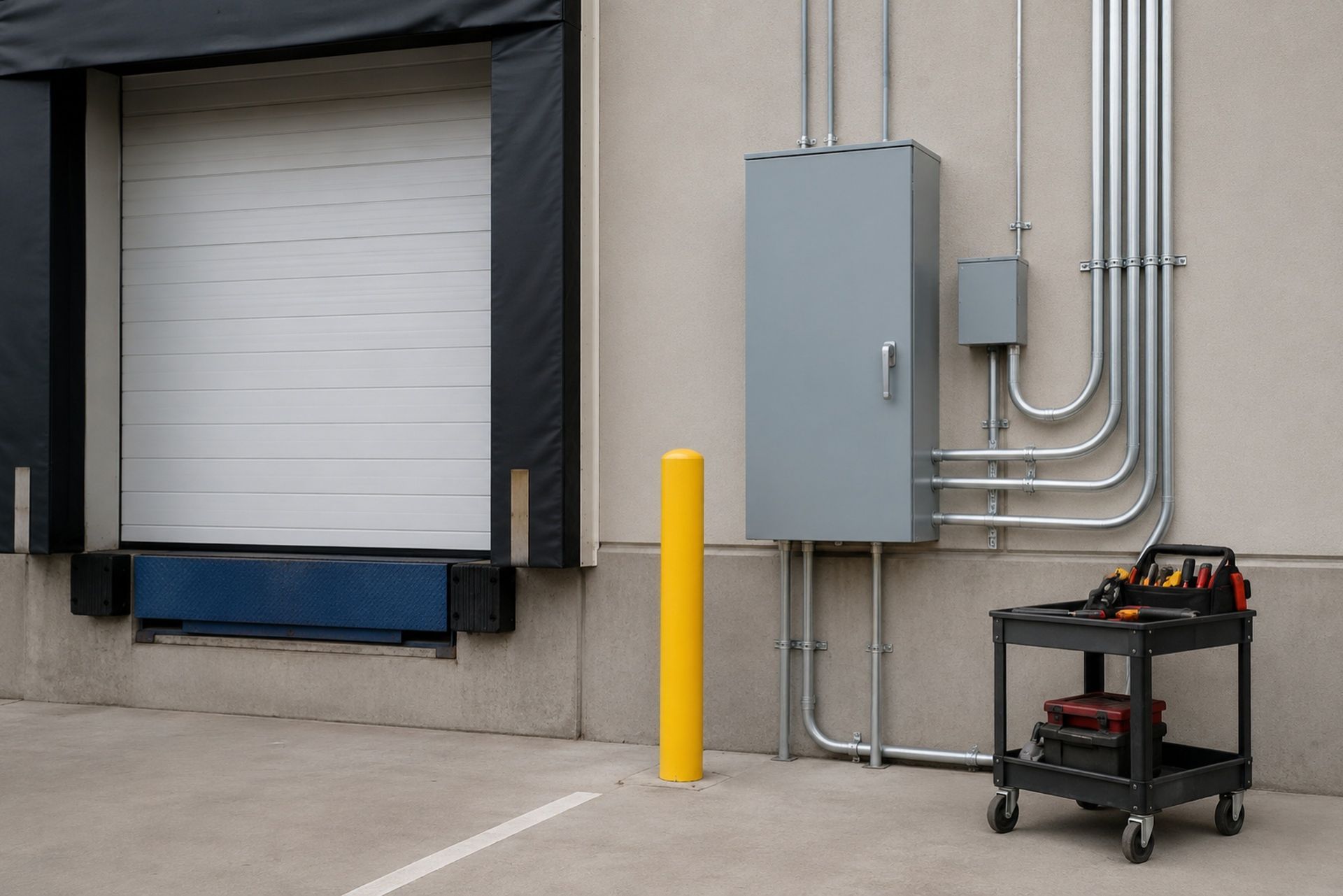
Insurers writing electrician coverage in Seattle pay close attention to how contractors handle wet-environment work. If you're installing outdoor lighting, running conduit through unconditioned spaces, or working on marine-adjacent properties, your underwriter wants to know you're following NEC wet-location standards and using appropriate materials. Carriers that specialize in electrical contractor insurance, like those accessed through Joule Pro's specialty program, understand these regional nuances and price accordingly rather than applying blanket surcharges.
Meeting Seattle SDCI and WA L&I Permitting Requirements
Surety Bonds and Licensing Compliance
The Seattle Department of Construction and Inspections (SDCI) requires electrical contractors to hold valid Washington State electrical licenses issued by L&I. You'll also need a Seattle business license and, depending on your work scope, a contractor registration with a surety bond. Washington requires a minimum $12,000 surety bond for general contractors, and electrical contractors must maintain their own bond through L&I.
SDCI implemented a 6.5% inflationary fee increase effective January 1, 2025, which affects permit costs across all trade categories. That increase is still in effect in 2026 and has raised the cost of doing permitted work in the city. Budgeting for these fees matters because they affect project margins, and underbidding because you forgot about permit cost increases is a common mistake.
Your bond and insurance documentation must be current and on file. Lapsed coverage can trigger permit holds, and SDCI doesn't issue extensions for insurance lapses.
Certificate of Insurance (COI) for City Contracts
Every City of Seattle contract requires a Certificate of Insurance naming the city as an additional insured. The COI requirements typically include GL, workers' comp, commercial auto, and sometimes professional liability depending on the project scope. Turnaround time matters here: if you can't produce a compliant COI within 24 to 48 hours, you risk losing the contract.
Working with a specialty program like Joule Pro means your producer understands exactly what Seattle's COI requirements look like and can issue compliant certificates quickly. That's a real advantage over generalist agencies that may not know the city's specific additional insured endorsement language.
| Coverage Type | Typical Seattle Minimum | Common for Commercial Work |
|---|---|---|
| General Liability | $1M / $2M | $2M / $4M |
| Workers' Comp | WA L&I Required | WA L&I Required |
| Commercial Auto | $1M CSL | $1M CSL |
| Professional Liability | Not always required | $1M per claim |
| Surety Bond | $12,000 (state minimum) | Varies by contract |
Carrier Appetite and Market Trends in the Pacific Northwest
Preferred Carriers for Residential vs. Commercial Work
Not every insurance carrier wants to write electrical contractor risks. Carrier appetite - meaning which insurers are actively seeking your type of business - varies significantly based on whether you do residential, commercial, or industrial work. Residential electricians with clean loss histories generally have more carrier options and lower premiums. Commercial and industrial contractors, especially those doing panel upgrades over 400 amps or working in occupied spaces, face a narrower market.
In the Pacific Northwest, several admitted carriers actively write electrical contractor GL and commercial auto, but the best terms often come through surplus lines markets accessed by specialty brokers. Carriers look at your revenue, payroll, subcontractor usage, and claims history when determining appetite.
The trend in 2026 is toward carriers wanting more granular data about your work: what percentage is new construction versus retrofit, how much involves panel changeouts, and whether you're doing any solar or EV work. Being prepared with detailed answers gets you better quotes.
Impact of Local Litigation Trends on Premiums
Washington State's litigation environment has been trending plaintiff-friendly, which directly affects insurance premiums for contractors. Nuclear verdicts, where jury awards exceed $10 million, have become more common in construction defect and personal injury cases across King County.
This litigation pressure means carriers are raising rates or tightening underwriting for contractors in the Seattle metro. Electricians with any history of claims, especially fire-related or injury claims, may find their renewal options limited. Maintaining a clean loss run is the single most important thing you can do to keep your premiums manageable.
Strategies for Reducing Insurance Costs in King County
Safety Programs and Risk Management Best Practices
A documented safety program isn't just a nice-to-have: it directly affects your insurance costs. Carriers and L&I both offer premium credits for contractors who maintain formal safety programs, conduct regular toolbox talks, and track incident reporting. Washington's L&I safety incentive programs can reduce your workers' comp premiums by up to 10% in some cases.
Specific steps that make a measurable difference:
- Conduct weekly safety meetings and document attendance
- Maintain current CPR and first aid certifications for all field employees
- Use arc flash PPE on every panel job, not just when you think it's necessary
- Implement a return-to-work program for injured employees to reduce claim duration
Bundling Policies and Policy Audits
Bundling your GL, commercial auto, tools and equipment, and inland marine coverage under a single program typically saves 10% to 20% compared to purchasing each policy separately. Joule Pro's contractor-specific program is designed exactly for this: packaging the full coverage stack electrical contractors need under one roof with a licensed producer who handles quotes, binders, and policy management directly.
Annual policy audits matter more than most contractors realize. If your revenue grew by 25% last year but your policy still reflects last year's numbers, you're underinsured. If revenue dropped, you might be overpaying. A 30-minute annual review with your producer can catch these gaps before they become expensive problems.
Your Next Steps as a Seattle Electrician
Getting insurance right in Seattle means understanding that your market has specific demands: monopolistic workers' comp through L&I, SDCI permitting requirements with rising fees, moisture-driven claim patterns, and a tightening carrier market for electrical trade risks. The electricians who pay the least over time aren't the ones who found the cheapest quote: they're the ones who matched their coverage to their actual risk profile and kept their loss history clean.
If you're shopping for electrician insurance in Seattle or anywhere in Washington State, talk to a specialty program that understands electrical trade exposures inside and out. Reach out to Joule Pro for a coverage review tailored to your specific operation, crew size, and project types. A 15-minute conversation with a licensed producer who knows your trade beats hours of comparing generic online quotes.
Frequently Asked Questions
Do I need both a state electrical license and a Seattle business license to pull permits? Yes. You need a valid Washington State electrical license from L&I and a separate City of Seattle business license. SDCI won't issue permits without both on file.
Can I buy private workers' comp insurance in Washington? No. Washington is a monopolistic state fund, so all workers' comp coverage must be purchased through L&I. There are no private carrier options for statutory coverage.
How quickly can I get a Certificate of Insurance for a city contract? Through a specialty program with direct producer access, COIs can typically be issued within 24 hours. Generalist agencies sometimes take three to five business days, which can cost you the job.
What's the average GL premium for a small electrical contractor in Seattle? For a solo operator or two-person crew doing residential work, expect $2,500 to $5,000 annually. Commercial crews with higher revenue and payroll will typically pay $8,000 to $15,000 or more depending on loss history and work scope.
Does my insurance cover tools stolen from my van? Standard GL and commercial auto policies usually don't cover tool theft. You need an inland marine or tools and equipment policy, which is why bundling through a contractor-specific program matters.

Founder & CEO
The Force Behind the Program
About the Author:
Michael Fusco.
Fusco Orsini & Associates
Joule Pro exists because Mike Fusco saw electrical contractors getting boilerplate insurance — and built a program designed for the way the trade actually works.
Mike is the CEO and co-founder of Fusco Orsini & Associates, the San Diego–based independent agency he launched in 2010. Under his leadership FOA has grown into a nationwide partner serving clients across 31 states, with a personal, client-first approach to commercial insurance and risk.
With over 20 years in insurance and risk management, he specializes in tailored programs spanning general liability, workers' compensation, surety bonding, and employee benefits — helping owners confidently manage risk and pursue growth.
Mike holds a B.S. in Business from the University of Maryland — Robert H. Smith School of Business, and the Certified Insurance Counselor (CIC) designation, held by fewer than 3% of insurance professionals nationwide.
Trusted by Electrical Contractors Across the Country.
Select your state for electrical contractor insurance. Get requirements, cost ranges, and more information for your business.
Alabama
Arkansas
Louisiana
Kentucky
New Hampshire
Vermont
Rhode Island
Massachusetts
N. Dakota
S. Dakota
Oklahoma
Delaware
What Our Clients Say
Trusted by Electrical Contractors Across the Country.
5.0
★★★★★
Google reviews
Core Commercial Coverage
Business Insurance for Electrical Contractors.
The fundamentals — written, structured, and priced for electrical risk. Each line is reviewed annually by an underwriter who only writes our trade.
01
General Liability
Premises & completed-operations coverage with electrical-specific endorsements and full pollution carve-back options.
02
Workers' Compensation
Class-code optimization, experience-mod review, and return-to-work programs designed for energized-work exposures.
03
Commercial Auto
Fleet, hired & non-owned auto, and tools-in-transit coverage written for service vans and bucket trucks.
04
Tools & Equipment
Scheduled and blanket coverage for tools, test equipment, scissor lifts, and contractor's equipment on-site or in-transit.
05
Surety Bonds
Bid, performance, and payment bonds — single-job and aggregate programs for commercial & public-works contracts.
06
Commercial Property
Layered limits up to $50M with carrier panels covering your shop, warehouse, yard, and on-premises tools, materials, and equipment.
Who We Serve
Electrical Contractors We Specialize In.
From $5M service shops to $250M industrial primes — every Joule Pro program is shaped to the contractor's revenue mix and project profile.
01 / Industrial
Commercial & Industrial Electrical Contractors
High-voltage, substation, and plant electrical work. Pollution, builder's risk, and large-deductible WC programs.
02 / Service
Service & Residential Electrical Contractors
Service-call shops, panel upgrades, and EV charging installers. Auto-fleet, GL, and tool-coverage programs.
03 / Low-Voltage
Specialty & Low-Voltage Contractors
Data, fire-alarm, security, and BMS controls. Cyber, professional liability, and follow-form excess.
Frequently Asked Questions
Common
Questions From
Electrical Contractors.
What size electrical contractors do you write?
Joule Pro is built for licensed electrical firms from roughly $2M in revenue to $250M+. Below $2M we typically refer to our small-business desk; above $250M we underwrite individually with our industrial practice team.
Do I need to be licensed in multiple states?
No. We license you wherever you work. Joule Pro is admitted in 31 states and our compliance team handles multi-state filings, prevailing-wage endorsements, and certificate-of-insurance requirements.
How is Joule Pro different from a generic contractor program?
Generic programs use a contractor's questionnaire that treats you like a roofer. We use forms written for energized work, arc-flash exposures, and design-build risk — and our carriers price accordingly.
What does the claims process actually look like?
Every Joule Pro client is assigned a named claims advocate at bind. They take the FNOL, set strategy with your assigned attorney, and serve as your single point of contact through close.
Can you bond large public-works contracts?
Yes. Through our surety partners we write single-job bonds up to $75M and aggregate programs to $300M, with expedited turnarounds for school district, federal, and DOT work.
What happens at renewal?
Your producer and claims advocate jointly run a renewal review 90 days out — covering loss trends, exposure changes, and market alternatives — so renewal day is a confirmation, not a surprise.
From the Blog
Insights for Electrical Contractors.
Risk briefings, claim post-mortems, and program updates — written by our underwriters and risk engineers.


Get Started
Get a Quote on a Program Built Around Your Trade.
A 30-minute discovery call is the only commitment. You'll leave with a written gap analysis of your current program — yours to keep, whether you bind with us or not.