
Business Insurance
Buffalo, NY Electrician Insurance
★★★★★ 150+ Five-Star Reviews · Google & Facebook
Buffalo's electrical contractors face a unique combination of challenges: aging building stock, brutal winters, and some of the strictest labor laws in the country. If you're pulling wire in the 716, your insurance needs look different from an electrician working in Phoenix or even Albany. Getting the right coverage for Buffalo electricians means understanding local permitting requirements, city-specific hazards, and which carriers actually want to write policies for electrical contractors in Western New York. This guide breaks down everything from general liability minimums to strategies for keeping your premiums manageable, so you can focus on running jobs instead of worrying about gaps in your policy.
Core Insurance Requirements for Buffalo Electrical Contractors
General Liability and Property Damage Essentials
Every electrical contractor working in Buffalo needs general liability (GL) coverage as a baseline. The City of Buffalo requires proof of General Liability insurance with a minimum of $1,000,000 per occurrence before you can pull permits. Most contractors carry a $2,000,000 aggregate, which is the industry standard and what many general contractors will demand before letting you on a jobsite.
GL covers third-party bodily injury and property damage claims. Think: a homeowner trips over your cord and breaks a wrist, or you accidentally damage existing wiring that causes a small fire. These aren't hypothetical scenarios. Electrical work consistently generates some of the highest-severity GL claims in the trades because the consequences of mistakes can be catastrophic.
One thing many Buffalo electricians overlook is completed operations coverage, which protects you after you've finished a job. If faulty wiring causes damage six months later, your GL policy's completed operations portion responds. Make sure your policy doesn't sunset this coverage too early.
Workers' Compensation Compliance in New York State
New York is one of the most aggressive states when it comes to workers' comp enforcement. If you have even one employee, you need a policy. The New York Workers' Compensation Board doesn't mess around: penalties for non-compliance can reach $2,000 per 10-day period, and criminal charges are on the table for willful violations.
Even sole proprietors should think carefully before opting out. While New York allows sole props and certain partnerships to exclude themselves, many GCs and project owners won't hire you without a workers' comp policy in place. The classification code for electricians (NCCI Code 5190) carries moderate-to-high rates in New York, typically ranging from $6 to $12 per $100 of payroll depending on your experience modification factor and claims history.
Joule Pro works specifically with electrical contractors to find workers' comp markets that understand your trade's risk profile, which matters because generalist agencies often struggle to place electricians competitively in New York's tight market.
Commercial Auto and Inland Marine for Tool Protection
Your van full of tools, meters, and materials represents tens of thousands of dollars in assets. A standard personal auto policy won't cover a vehicle used for business purposes, and if you're hauling equipment to jobsites, you need commercial auto insurance.
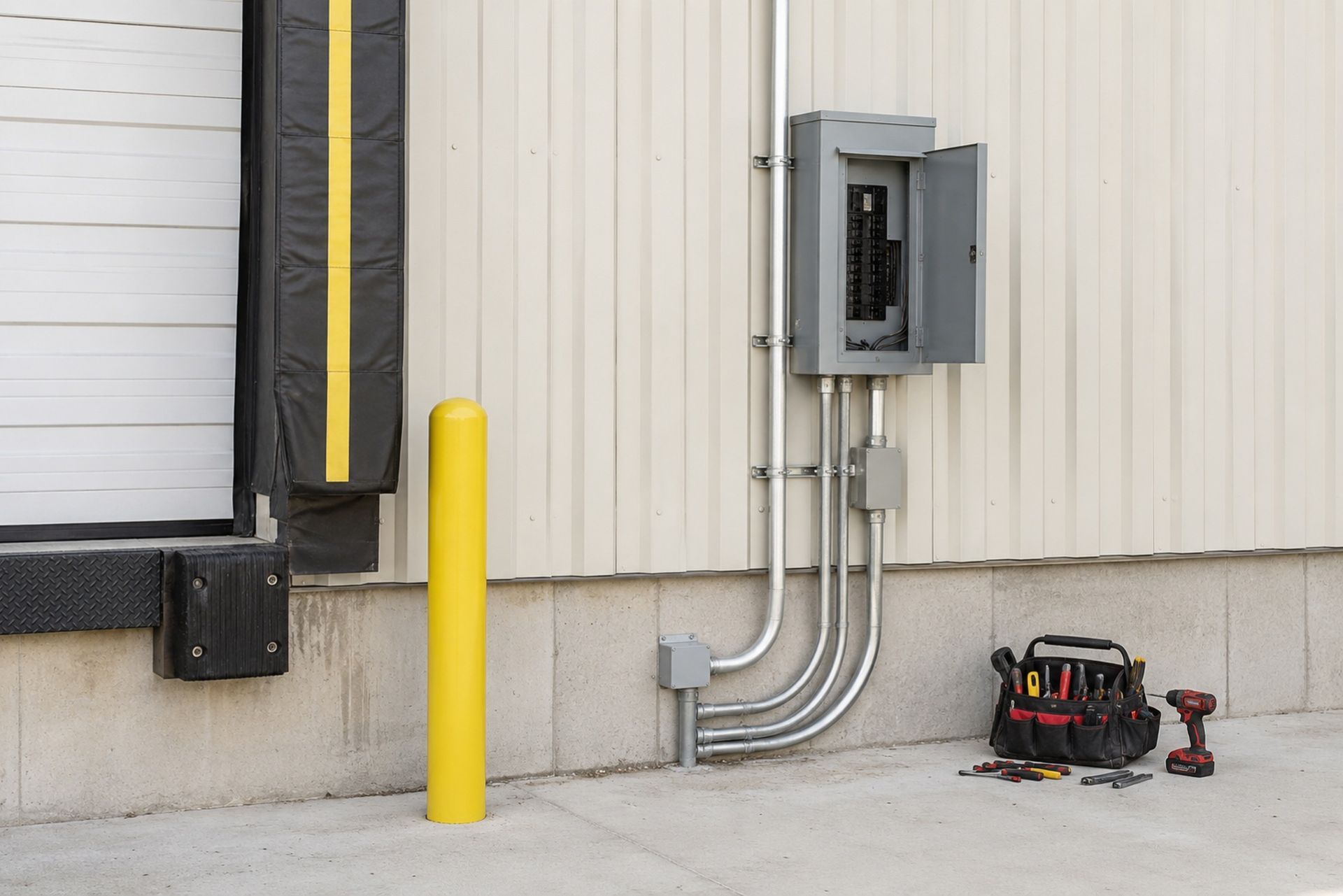
Inland marine coverage protects your tools and equipment whether they're in your truck, on a jobsite, or in transit. A typical electrician's tool loadout in Buffalo can easily exceed $15,000 to $30,000, and theft from work vans is a persistent problem in urban areas. Inland marine policies are relatively inexpensive for the protection they offer, usually running $500 to $1,500 annually depending on the total value insured.

By: Michael Fusco
President of Joule Pro
INDEX
Joule Pro is a specialty insurance and risk program of Fusco Orsini & Associates Insurance Services, built exclusively for electrical contractors and licensed in 31 states.
We work with electrical firms across the country — from California, Texas, Florida, New York, and coast to coast — placing General Liability, Workers' Compensation, Commercial Auto, Inland Marine, Surety Bonds, Excess Liability, and full specialty coverage stacks for commercial, industrial, service, residential, and low-voltage electrical contractors. Joule Pro is not a separate licensed entity. It is a dedicated program structure inside Fusco Orsini, giving electrical contractors access to specialty carriers, in-house claims advocacy, and trade-specific risk engineering under one program.
Electrician Insurance By City
Electrician Insurance Coverage
Navigating City of Buffalo Permitting and Licensing Bonds
Navigating City of Buffalo Permitting and Licensing Bonds
Buffalo's Department of Permit and Inspection Services oversees electrical permits, and their requirements go beyond just having a license. You'll need to submit your certificate of insurance showing the city as an additional insured on your GL policy before permits are issued. This is standard practice, but the turnaround time for certificate requests matters when you're trying to start a job.
The city also requires electrical contractors to hold a valid City of Buffalo electrical license, which involves passing an exam and demonstrating experience. Your insurance documentation needs to match the entity name on your license exactly. Mismatches between your LLC name and your insurance certificate are one of the most common reasons for permit delays.
Buffalo has been tightening enforcement on unlicensed electrical work in recent years, particularly in residential renovation projects. If you're caught working without proper permits and insurance, you're looking at fines and potential loss of your license.
Surety Bonds vs. Insurance for Local Projects
Surety bonds and insurance serve different purposes, but Buffalo electricians often need both. A surety bond guarantees you'll fulfill your contractual obligations and comply with local codes. The City of Buffalo requires a surety bond for electrical contractors, typically in the $5,000 to $10,000 range.
Here's the key difference: insurance protects you from financial loss, while a surety bond protects the project owner or municipality. If a bond claim is paid, the surety company comes back to you for reimbursement. It's essentially a line of credit backed by your personal and business finances.
| Insurance | Surety Bond | |
|---|---|---|
| Protects | Your business | The project owner/city |
| Claim payment | Insurer pays, no reimbursement | Surety pays, then you reimburse |
| Required by | Varies by coverage type | City licensing, some contracts |
| Typical cost | Varies by coverage type | 1-3% of bond amount annually |
| Renewals | Annual | Annual or per-project |
Buffalo-Specific Risk Factors and Environmental Hazards
Mitigating Risks in Historic Buffalo Architecture
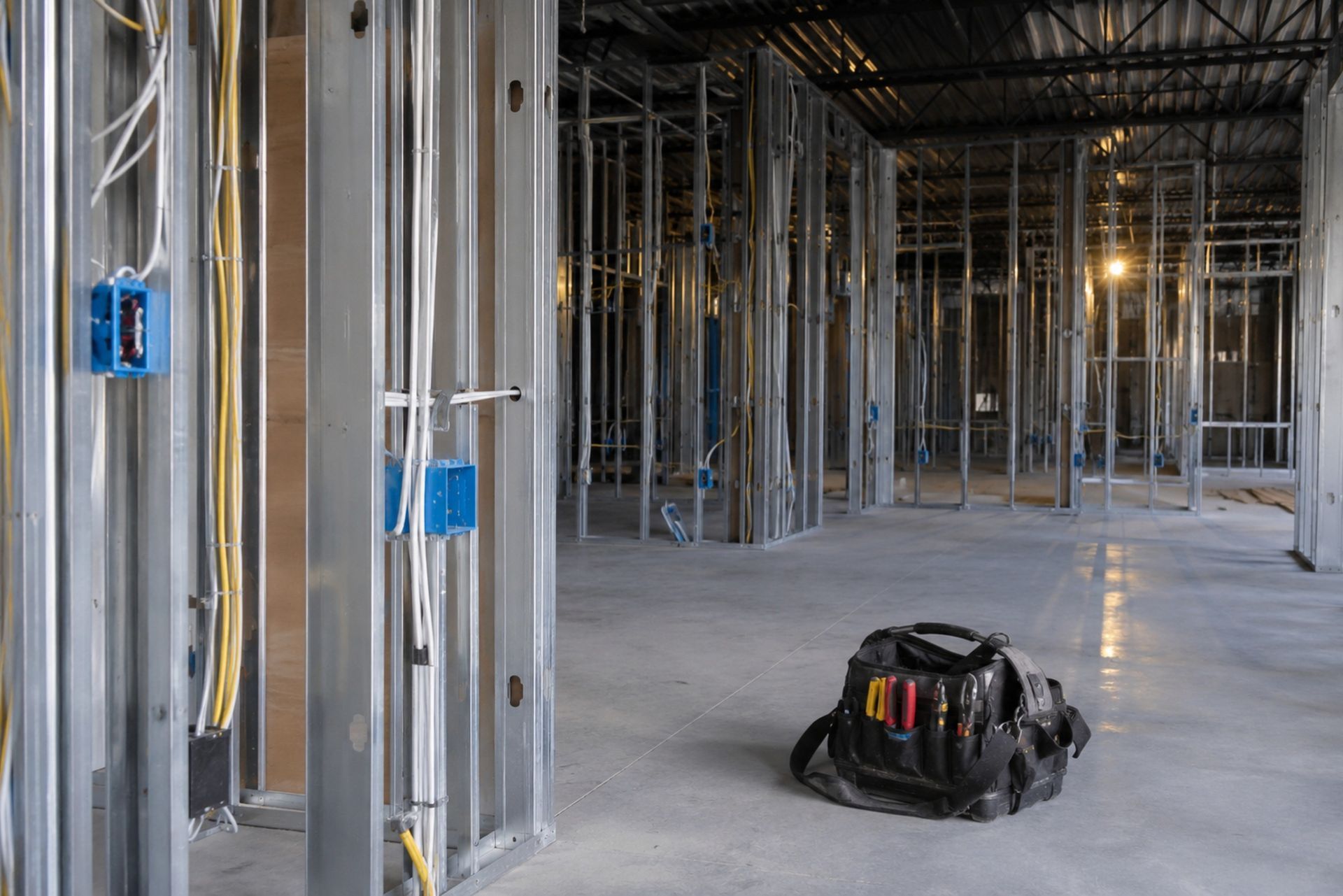
Buffalo has one of the most impressive collections of historic architecture in the Northeast, from Elmwood Village Victorians to downtown Art Deco commercial buildings. Working in these structures presents risks that newer construction simply doesn't. Knob-and-tube wiring, cloth-insulated conductors, and original fuse panels are common in pre-1950 buildings, and rewiring them requires careful handling to avoid fire hazards and code violations.
Insurance claims from historic renovation work tend to be more expensive because the materials and finishes involved cost more to repair or replace. If you accidentally damage original plaster, ornamental woodwork, or leaded glass while running new circuits, you're not paying Home Depot prices for replacements.
Carriers want to see that you have experience with older buildings and that your crew follows proper procedures. Documenting your work with photos before, during, and after each phase is one of the simplest ways to protect yourself against claims. This documentation habit alone has saved countless contractors from disputed damage claims.
Weather-Related Liability and Winter Work Hazards
Buffalo averages over 90 inches of snow annually, and the lake-effect storms that roll off Lake Erie can dump feet of snow in hours. Winter creates specific insurance risks for electricians: slip-and-fall injuries on icy jobsites, water damage from frozen pipes affecting electrical systems, and vehicle accidents during storm-related driving.
Workers' comp claims spike during winter months across all trades in Buffalo, but electricians face added exposure from working on exterior panels, rooftop equipment, and outdoor lighting installations in freezing conditions. Frostbite and cold-stress injuries are legitimate workplace hazards here.
Your commercial auto policy needs to account for the reality of driving a loaded van on snow-packed streets. Higher liability limits and comprehensive coverage make sense given the conditions. Some contractors also add hired and non-owned auto coverage for situations where employees use personal vehicles during storms.
Carrier Appetite and Market Trends in Western New York
Preferred Carriers for Small vs. Large Electrical Firms
Not every insurance carrier wants to write electricians, and the ones that do often have specific appetites based on your revenue size, number of employees, and types of work performed. Small shops with one to five employees and under $500,000 in annual revenue typically find the best rates with regional carriers and specialty programs that understand small contractor operations.
Larger firms doing $1 million-plus in revenue, especially those handling commercial or industrial work, need carriers with higher capacity and broader endorsement options. Specialty programs like Joule Pro exist specifically because the electrical trade has risk characteristics that generalist carriers often misprice, either too high because they don't understand the work, or too low because they're not accounting for New York's labor law exposure.
The Western New York insurance market has seen some carrier pullback from the trades in recent years, particularly for contractors doing any work in New York City. Buffalo-based electricians who don't work downstate generally have better options, but you still need a broker who knows which carriers are actively writing electrical contractors in the region.
Impact of New York Labor Laws on Insurance Premiums
New York's Labor Law Sections 240 and 241, commonly known as the "Scaffold Law," create absolute liability for property owners and general contractors when a worker is injured in a gravity-related accident. This law is the single biggest driver of high insurance costs for contractors in New York State.
For electricians, this means any fall from a ladder, scaffold, or elevated work platform can trigger a claim where fault is essentially irrelevant. The property owner or GC is liable, and they pass that cost down through insurance requirements. This is why umbrella and excess liability policies are more common in New York than almost anywhere else in the country.
Premiums for electrical contractors in New York run 20-40% higher than national averages, largely because of this legal environment. Your experience modification rate becomes critically important: a mod rate below 1.0 can save you thousands annually, while a rate above 1.0 signals to carriers that you're a higher-than-average risk.
Strategies for Reducing Insurance Costs and Managing Risk
The most effective way to lower your premiums is to prevent claims in the first place. That sounds obvious, but the specifics matter. Implementing a written safety program, conducting regular toolbox talks, and maintaining OSHA compliance records all signal to underwriters that you're a better risk.
Here are practical steps Buffalo electricians can take right now:
- Request your experience modification rate worksheet annually and dispute any errors
- Bundle your GL, commercial auto, and inland marine into a single contractor's package for multi-policy discounts
- Increase deductibles on property and auto coverage if your cash reserves allow it
- Document every job with photos and maintain organized records of completed work
- Work with a specialty program like Joule Pro that has direct underwriter relationships for electrical contractors
Paying your premiums annually instead of monthly can also save 5-10% on some policies. And if you're a small shop, make sure your payroll estimates are accurate: overestimating payroll means overpaying for workers' comp, while underestimating triggers painful audits.
FAQ
Do I need insurance to pull an electrical permit in Buffalo? Yes. The City of Buffalo requires proof of general liability insurance with at least $1,000,000 per occurrence before issuing electrical permits.
Can I work as a sole proprietor without workers' comp in New York? Sole proprietors can exempt themselves from workers' comp requirements, but many general contractors and project owners won't hire you without it.
How much does general liability cost for a Buffalo electrician? Expect to pay between $2,500 and $6,000 annually for a small electrical contracting firm, depending on revenue, claims history, and types of work performed.
What's an experience modification rate? It's a multiplier applied to your workers' comp premium based on your claims history compared to similar businesses. Below 1.0 means fewer claims than average; above 1.0 means more.
Does my personal auto policy cover my work van? No. Vehicles used for business purposes need a commercial auto policy. Personal policies typically exclude business use entirely.
Making the Right Coverage Choice for Your Buffalo Business
Getting insurance right as a Buffalo electrician isn't just about checking boxes for permits. It's about building a coverage foundation that protects your business from the real risks you face every day: historic buildings with outdated wiring, brutal winter conditions, and a legal environment that holds contractors to a high standard. The carriers and coverage you choose should reflect the specific work you do and where you do it. If you're unsure whether your current policy accounts for Buffalo's unique challenges, reach out to Joule Pro for a coverage review tailored specifically to your electrical contracting business. A few hours spent getting this right can save you from a claim that threatens everything you've built.

Founder & CEO
The Force Behind the Program
About the Author:
Michael Fusco.
Fusco Orsini & Associates
Joule Pro exists because Mike Fusco saw electrical contractors getting boilerplate insurance — and built a program designed for the way the trade actually works.
Mike is the CEO and co-founder of Fusco Orsini & Associates, the San Diego–based independent agency he launched in 2010. Under his leadership FOA has grown into a nationwide partner serving clients across 31 states, with a personal, client-first approach to commercial insurance and risk.
With over 20 years in insurance and risk management, he specializes in tailored programs spanning general liability, workers' compensation, surety bonding, and employee benefits — helping owners confidently manage risk and pursue growth.
Mike holds a B.S. in Business from the University of Maryland — Robert H. Smith School of Business, and the Certified Insurance Counselor (CIC) designation, held by fewer than 3% of insurance professionals nationwide.
Trusted by Electrical Contractors Across the Country.
Select your state for electrical contractor insurance. Get requirements, cost ranges, and more information for your business.
Alabama
Arkansas
Louisiana
Kentucky
New Hampshire
Vermont
Rhode Island
Massachusetts
N. Dakota
S. Dakota
Oklahoma
Delaware
What Our Clients Say
Trusted by Electrical Contractors Across the Country.
5.0
★★★★★
Google reviews
Core Commercial Coverage
Business Insurance for Electrical Contractors.
The fundamentals — written, structured, and priced for electrical risk. Each line is reviewed annually by an underwriter who only writes our trade.
01
General Liability
Premises & completed-operations coverage with electrical-specific endorsements and full pollution carve-back options.
02
Workers' Compensation
Class-code optimization, experience-mod review, and return-to-work programs designed for energized-work exposures.
03
Commercial Auto
Fleet, hired & non-owned auto, and tools-in-transit coverage written for service vans and bucket trucks.
04
Tools & Equipment
Scheduled and blanket coverage for tools, test equipment, scissor lifts, and contractor's equipment on-site or in-transit.
05
Surety Bonds
Bid, performance, and payment bonds — single-job and aggregate programs for commercial & public-works contracts.
06
Commercial Property
Layered limits up to $50M with carrier panels covering your shop, warehouse, yard, and on-premises tools, materials, and equipment.
Who We Serve
Electrical Contractors We Specialize In.
From $5M service shops to $250M industrial primes — every Joule Pro program is shaped to the contractor's revenue mix and project profile.
01 / Industrial
Commercial & Industrial Electrical Contractors
High-voltage, substation, and plant electrical work. Pollution, builder's risk, and large-deductible WC programs.
02 / Service
Service & Residential Electrical Contractors
Service-call shops, panel upgrades, and EV charging installers. Auto-fleet, GL, and tool-coverage programs.
03 / Low-Voltage
Specialty & Low-Voltage Contractors
Data, fire-alarm, security, and BMS controls. Cyber, professional liability, and follow-form excess.
Frequently Asked Questions
Common
Questions From
Electrical Contractors.
What size electrical contractors do you write?
Joule Pro is built for licensed electrical firms from roughly $2M in revenue to $250M+. Below $2M we typically refer to our small-business desk; above $250M we underwrite individually with our industrial practice team.
Do I need to be licensed in multiple states?
No. We license you wherever you work. Joule Pro is admitted in 31 states and our compliance team handles multi-state filings, prevailing-wage endorsements, and certificate-of-insurance requirements.
How is Joule Pro different from a generic contractor program?
Generic programs use a contractor's questionnaire that treats you like a roofer. We use forms written for energized work, arc-flash exposures, and design-build risk — and our carriers price accordingly.
What does the claims process actually look like?
Every Joule Pro client is assigned a named claims advocate at bind. They take the FNOL, set strategy with your assigned attorney, and serve as your single point of contact through close.
Can you bond large public-works contracts?
Yes. Through our surety partners we write single-job bonds up to $75M and aggregate programs to $300M, with expedited turnarounds for school district, federal, and DOT work.
What happens at renewal?
Your producer and claims advocate jointly run a renewal review 90 days out — covering loss trends, exposure changes, and market alternatives — so renewal day is a confirmation, not a surprise.
From the Blog
Insights for Electrical Contractors.
Risk briefings, claim post-mortems, and program updates — written by our underwriters and risk engineers.


Get Started
Get a Quote on a Program Built Around Your Trade.
A 30-minute discovery call is the only commitment. You'll leave with a written gap analysis of your current program — yours to keep, whether you bind with us or not.