
Business Insurance
Yonkers, NY Electrician Insurance
★★★★★ 150+ Five-Star Reviews · Google & Facebook
Underwriting Preferences for Residential vs. Industrial Projects
Running an electrical contracting business in Yonkers means dealing with a unique mix of older building stock, strict municipal permitting, and a competitive Westchester County market where one uninsured claim can shut you down. Whether you're pulling wire in a 1920s Tudor near McLean Avenue or roughing in a new commercial build off Central Park Avenue, your insurance program needs to reflect the specific risks that come with working in this city. This guide covers everything Yonkers electricians need to know about coverage requirements, local permitting rules, city-specific hazards, and which carriers actually want to write your business.
The reality is that most general insurance agents treat electrical contractors like any other trade. They slap together a basic policy and move on. But electricians face exposure profiles that differ significantly from plumbers or HVAC techs, and Yonkers adds its own layer of complexity. Getting this right from the start saves you money, keeps you compliant, and protects the business you've spent years building.
Core Insurance Requirements for Yonkers Electrical Contractors
General Liability and Property Damage Standards
General liability is the foundation of every electrical contractor's insurance program. In Yonkers, most general contractors and property managers require you to carry at least $1 million per occurrence and $2 million aggregate before you set foot on a job site. Some larger commercial projects, particularly those tied to Westchester County development initiatives, push that to $5 million or require an umbrella policy on top.
What catches a lot of electricians off guard is the property damage exposure. You're working inside other people's buildings, often behind finished walls. A faulty connection that causes a fire six months after you leave can trigger a claim that dwarfs your annual revenue. Your GL policy needs to include completed operations coverage, which protects you after the job is done and you've moved on. This is non-negotiable for any electrician working in Yonkers' dense residential and mixed-use buildings.
Programs like Joule Pro, which is built exclusively for licensed electrical contractors, structure GL policies with these trade-specific exposures already baked in, rather than bolting on endorsements as an afterthought.
Workers' Compensation and Disability Compliance in NY
New York State does not mess around with workers' comp. If you have even one employee, you must carry a workers' compensation policy. The penalties for non-compliance are severe: fines of up to $2,000 per 10-day period of non-compliance, and it's classified as a criminal offense. New York also requires statutory disability benefits (DBL) and paid family leave (PFL) coverage for all employees.
Electricians face classification codes that carry higher experience modification rates due to the inherent dangers of the trade. Code 5190 (electrical wiring within buildings) is standard, but if your crew handles any high-voltage or utility-scale work, you may fall under different classifications with significantly higher premiums. Getting your class codes right matters: misclassification can lead to painful audit adjustments at the end of your policy term.
One thing to keep in mind: sole proprietors in New York can exempt themselves from workers' comp, but doing so means you can't bid on most commercial or municipal jobs in Yonkers. The trade-off rarely makes sense.
Inland Marine Coverage for Mobile Tools and Equipment
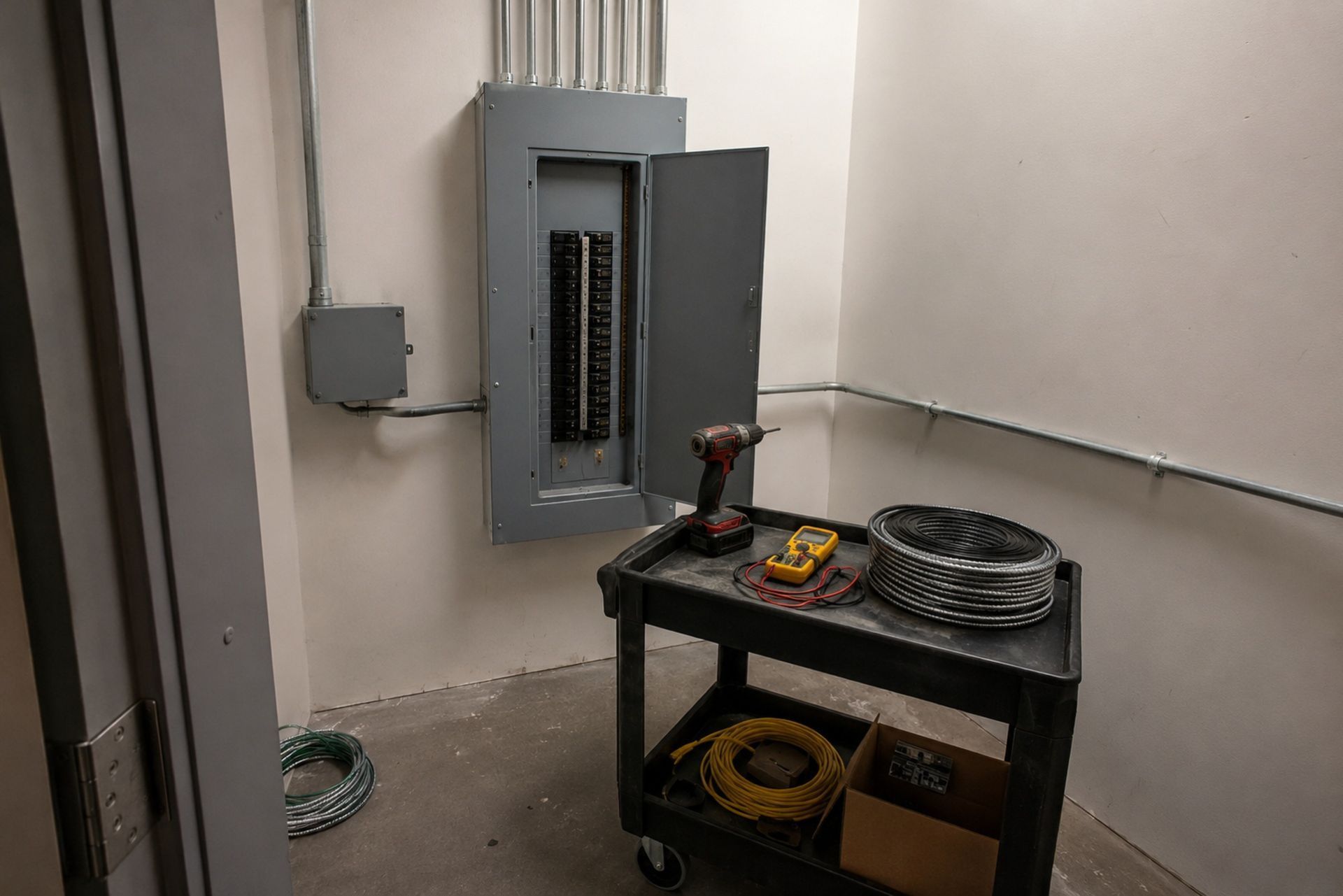
Your tools ride with you to every job, and they're not covered under a standard GL or commercial property policy. Inland marine insurance covers your mobile equipment, tools, and materials in transit or stored at job sites. For most Yonkers electricians, this means protecting wire reels, conduit benders, meters, power tools, and diagnostic equipment worth $15,000 to $75,000 or more.
Theft from work vans is a real problem in urban areas, and Yonkers is no exception. An inland marine policy typically covers theft, vandalism, and accidental damage whether your tools are in your truck, at a job site, or in temporary storage. The premiums are modest relative to the replacement cost of your equipment, usually running a few hundred dollars annually for $25,000 in coverage.

By: Michael Fusco
President of Joule Pro
INDEX
Joule Pro is a specialty insurance and risk program of Fusco Orsini & Associates Insurance Services, built exclusively for electrical contractors and licensed in 31 states.
We work with electrical firms across the country — from California, Texas, Florida, New York, and coast to coast — placing General Liability, Workers' Compensation, Commercial Auto, Inland Marine, Surety Bonds, Excess Liability, and full specialty coverage stacks for commercial, industrial, service, residential, and low-voltage electrical contractors. Joule Pro is not a separate licensed entity. It is a dedicated program structure inside Fusco Orsini, giving electrical contractors access to specialty carriers, in-house claims advocacy, and trade-specific risk engineering under one program.
Electrician Insurance By City
Electrician Insurance Coverage
Navigating Yonkers-Specific Risks and Local Regulations
Insurance Prerequisites for Yonkers Department of Buildings Permits
Pulling electrical permits in Yonkers requires more than just a license and a fee. Electrical permit fees in Yonkers are set at a base of $175.00 plus $10.00 for every $1,000 of estimated job cost, which adds up quickly on larger projects. But the fee is the easy part: the Department of Buildings also requires proof of insurance before issuing permits.
You'll need to provide certificates of insurance showing current GL coverage, workers' comp (or an exemption certificate), and disability benefits. Many Yonkers permit applications also require the city to be listed as an additional insured on your policy. If your carrier is slow to issue certificates or doesn't understand municipal requirements, you'll lose days waiting on paperwork while your crew sits idle.
Mitigating Risks in Aging Residential and Industrial Structures
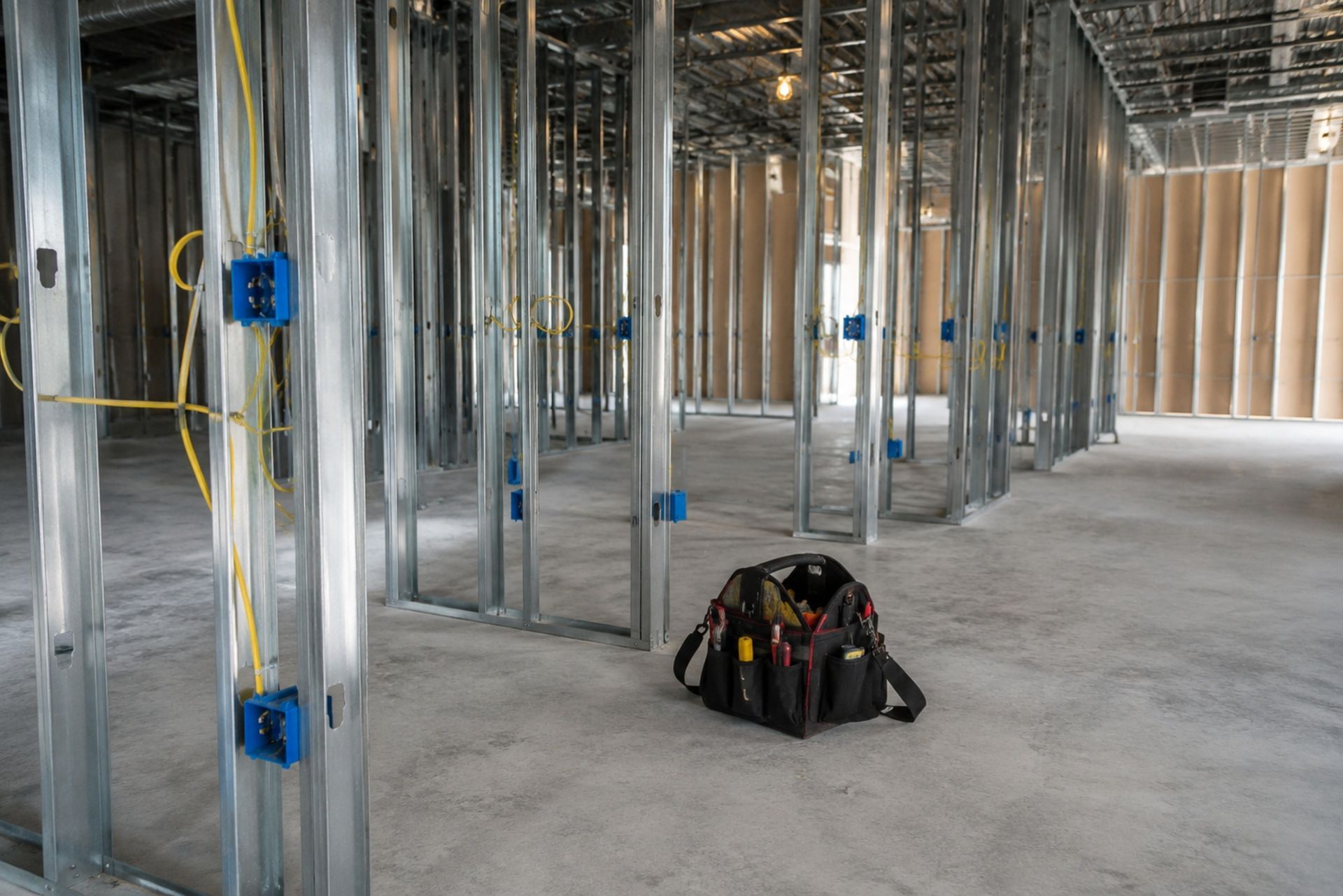
Yonkers has one of the oldest housing stocks in Westchester County. A significant portion of residential structures were built before 1950, which means you're regularly encountering knob-and-tube wiring, outdated panels, asbestos insulation around electrical components, and aluminum wiring from the 1960s and 70s. Each of these conditions increases your liability exposure.
Working in older buildings creates a higher probability of property damage claims because existing conditions are often worse than what's visible during initial inspections. A wall opened up for a panel upgrade might reveal deteriorated framing or hidden water damage that complicates the scope of work. Your insurance needs to account for these scenarios with adequate completed operations and property damage limits.
The industrial corridor along the Yonkers waterfront and the Saw Mill River area also presents unique hazards. Older industrial buildings may have outdated three-phase systems, corroded conduit, and environmental contamination that creates additional exposure. If you're doing electrical work in these structures, make sure your policy doesn't exclude pollution-related claims, as some standard GL policies do.
Carrier Appetite and Market Availability in Westchester County
Preferred Carriers for Small to Mid-Sized Electrical Firms
Not every insurance carrier wants to write electricians, and even fewer have appetite for electrical contractors working in the New York metro area. Carrier appetite refers to which insurers actively seek your type of business versus those that reluctantly quote it at inflated premiums.
| Factor | Preferred Market Carriers | Standard Market Carriers |
|---|---|---|
| Target contractor size | 1-25 employees | 25+ employees |
| Premium range (GL) | $3,500-$12,000/year | $10,000-$30,000+/year |
| Underwriting flexibility | Trade-specific classifications | Broad contractor categories |
| Certificate turnaround | Same day or next day | 3-5 business days |
| Audit process | Simplified annual audit | Detailed payroll audit |
Specialty programs like Joule Pro maintain relationships with carriers that specifically target electrical contractors, which means better pricing and fewer coverage gaps than what you'd get from a generalist agency shopping your account to whoever will take it. The difference between a carrier that understands electrical work and one that doesn't can be thousands of dollars annually and far fewer headaches at audit time.
Understanding High-Risk Classifications for High-Voltage Work
If your firm handles work above 600 volts, you enter a different underwriting universe. High-voltage classifications carry substantially higher premiums and fewer carrier options. This includes utility interconnection work, medium-voltage distribution, and industrial power systems.
Many carriers that happily write residential and light commercial electricians will decline high-voltage accounts entirely. Those that do write them often require additional safety documentation, specific training certifications for crew members, and higher minimum limits. If high-voltage work represents even a small percentage of your revenue, it can affect the pricing on your entire book of business.
Specialized Endorsements for Modern Electrical Services
Professional Liability and Errors & Omissions for Design-Build
More Yonkers electricians are moving into design-build work, especially on renovation projects where the contractor provides both the electrical design and installation. Standard GL policies don't cover design errors: if your panel layout causes a code violation or your lighting design fails to meet specifications, you need professional liability (E&O) coverage to respond to those claims.
Design-build E&O policies for electricians typically run $1,500 to $5,000 annually depending on your revenue and project types. Given the increasing complexity of electrical systems in modern buildings, this coverage is becoming essential rather than optional for contractors who do any design work.
Cyber Liability for Smart Home and Security System Installers
If you install smart home systems, security cameras, networked lighting controls, or EV charging stations with connected software, you're handling customer data and connecting to their home networks. A breach or system failure that exposes personal information creates liability that your GL policy won't touch.
Cyber liability coverage for electrical contractors is still relatively new, but carrier appetite is growing as more insurers recognize the exposure. Policies typically start around $500 to $1,500 annually for small firms and cover data breach response, notification costs, and third-party liability. As smart home technology adoption continues to accelerate across Westchester County, this coverage will become standard for electricians who work in the connected home space.
Strategies for Managing Premium Costs and Policy Audits
The Impact of Subcontractor Certificates on Your Premiums
Here's something that costs Yonkers electricians real money every year: failing to collect certificates of insurance from subcontractors. When your carrier audits your policy, any payments to uninsured subcontractors get added to your payroll base, and you pay premium on that amount as if they were your employees.
Keep a system for collecting and tracking sub certificates before any work begins. Require at minimum GL, workers' comp, and auto liability from every sub. Your audit adjustment will be dramatically lower, and you'll avoid the unpleasant surprise of a five-figure additional premium bill. Joule Pro's team can help you understand exactly what documentation to collect and how to structure sub agreements to protect your policy.
Safety Programs and Risk Management for Lower Rates
Carriers reward electrical contractors who demonstrate genuine commitment to safety. A documented safety program that includes regular toolbox talks, PPE requirements, arc flash training, and incident reporting can earn you premium credits of 5% to 15% depending on the carrier.
OSHA 10 and OSHA 30 certifications for your crew members also make a difference in underwriting. Carriers view trained crews as lower risk, and some require OSHA training documentation as a condition of coverage. Investing in training pays for itself through lower premiums and fewer claims.
Frequently Asked Questions
Do I need insurance just to pull an electrical permit in Yonkers? Yes. The Yonkers Department of Buildings requires proof of general liability and workers' comp (or an exemption) before issuing electrical permits.
How much does general liability cost for a Yonkers electrician? Most small to mid-sized electrical contractors in the Yonkers area pay between $3,500 and $12,000 annually for GL coverage, depending on revenue, crew size, and work type.
Can I use my personal auto policy for my work van? No. Personal auto policies exclude commercial use. You need a commercial auto policy that covers vehicles used for business operations.
What happens if I don't collect certificates from my subcontractors? Your carrier will add uninsured sub payments to your payroll during audit, increasing your premium significantly. It can also create liability exposure if a sub causes damage or injury on your job.
Does my GL policy cover faulty workmanship? GL covers damage caused by faulty work, but not the cost to redo the work itself. For design errors, you need a separate professional liability policy.
Your Next Steps
Getting the right insurance coverage for your Yonkers electrical business isn't just about checking a box for permit compliance: it's about building a foundation that lets you bid confidently, work safely, and grow without one bad claim wiping out everything. The combination of aging infrastructure, strict municipal requirements, and a competitive Westchester market means your insurance program needs to be as specialized as your trade skills.
If you're unsure whether your current coverage actually matches your exposure, or if you're paying too much because your agent doesn't understand electrical work, reach out to a specialty program that does. Joule Pro works exclusively with licensed electrical contractors and can review your current policies, identify gaps, and connect you with carriers that actually want your business. A 15-minute conversation now can prevent a six-figure problem later.

Founder & CEO
The Force Behind the Program
About the Author:
Michael Fusco.
Fusco Orsini & Associates
Joule Pro exists because Mike Fusco saw electrical contractors getting boilerplate insurance — and built a program designed for the way the trade actually works.
Mike is the CEO and co-founder of Fusco Orsini & Associates, the San Diego–based independent agency he launched in 2010. Under his leadership FOA has grown into a nationwide partner serving clients across 31 states, with a personal, client-first approach to commercial insurance and risk.
With over 20 years in insurance and risk management, he specializes in tailored programs spanning general liability, workers' compensation, surety bonding, and employee benefits — helping owners confidently manage risk and pursue growth.
Mike holds a B.S. in Business from the University of Maryland — Robert H. Smith School of Business, and the Certified Insurance Counselor (CIC) designation, held by fewer than 3% of insurance professionals nationwide.
Trusted by Electrical Contractors Across the Country.
Select your state for electrical contractor insurance. Get requirements, cost ranges, and more information for your business.
Alabama
Arkansas
Louisiana
Kentucky
New Hampshire
Vermont
Rhode Island
Massachusetts
N. Dakota
S. Dakota
Oklahoma
Delaware
What Our Clients Say
Trusted by Electrical Contractors Across the Country.
5.0
★★★★★
Google reviews
Core Commercial Coverage
Business Insurance for Electrical Contractors.
The fundamentals — written, structured, and priced for electrical risk. Each line is reviewed annually by an underwriter who only writes our trade.
01
General Liability
Premises & completed-operations coverage with electrical-specific endorsements and full pollution carve-back options.
02
Workers' Compensation
Class-code optimization, experience-mod review, and return-to-work programs designed for energized-work exposures.
03
Commercial Auto
Fleet, hired & non-owned auto, and tools-in-transit coverage written for service vans and bucket trucks.
04
Tools & Equipment
Scheduled and blanket coverage for tools, test equipment, scissor lifts, and contractor's equipment on-site or in-transit.
05
Surety Bonds
Bid, performance, and payment bonds — single-job and aggregate programs for commercial & public-works contracts.
06
Commercial Property
Layered limits up to $50M with carrier panels covering your shop, warehouse, yard, and on-premises tools, materials, and equipment.
Who We Serve
Electrical Contractors We Specialize In.
From $5M service shops to $250M industrial primes — every Joule Pro program is shaped to the contractor's revenue mix and project profile.
01 / Industrial
Commercial & Industrial Electrical Contractors
High-voltage, substation, and plant electrical work. Pollution, builder's risk, and large-deductible WC programs.
02 / Service
Service & Residential Electrical Contractors
Service-call shops, panel upgrades, and EV charging installers. Auto-fleet, GL, and tool-coverage programs.
03 / Low-Voltage
Specialty & Low-Voltage Contractors
Data, fire-alarm, security, and BMS controls. Cyber, professional liability, and follow-form excess.
Frequently Asked Questions
Common
Questions From
Electrical Contractors.
What size electrical contractors do you write?
Joule Pro is built for licensed electrical firms from roughly $2M in revenue to $250M+. Below $2M we typically refer to our small-business desk; above $250M we underwrite individually with our industrial practice team.
Do I need to be licensed in multiple states?
No. We license you wherever you work. Joule Pro is admitted in 31 states and our compliance team handles multi-state filings, prevailing-wage endorsements, and certificate-of-insurance requirements.
How is Joule Pro different from a generic contractor program?
Generic programs use a contractor's questionnaire that treats you like a roofer. We use forms written for energized work, arc-flash exposures, and design-build risk — and our carriers price accordingly.
What does the claims process actually look like?
Every Joule Pro client is assigned a named claims advocate at bind. They take the FNOL, set strategy with your assigned attorney, and serve as your single point of contact through close.
Can you bond large public-works contracts?
Yes. Through our surety partners we write single-job bonds up to $75M and aggregate programs to $300M, with expedited turnarounds for school district, federal, and DOT work.
What happens at renewal?
Your producer and claims advocate jointly run a renewal review 90 days out — covering loss trends, exposure changes, and market alternatives — so renewal day is a confirmation, not a surprise.
From the Blog
Insights for Electrical Contractors.
Risk briefings, claim post-mortems, and program updates — written by our underwriters and risk engineers.


Get Started
Get a Quote on a Program Built Around Your Trade.
A 30-minute discovery call is the only commitment. You'll leave with a written gap analysis of your current program — yours to keep, whether you bind with us or not.