Business Insurance
Dallas, TX Electrician Insurance
★★★★★ 150+ Five-Star Reviews · Google & Facebook
Underwriting Preferences for Residential vs. Industrial Projects
Running an electrical contracting business in Dallas means dealing with a unique mix of risks you won't find in most other Texas metros. Between the city's aggressive commercial development, its brutal hailstorm seasons, and a permitting office that holds contractors to strict insurance documentation standards, getting your coverage wrong can cost you projects or worse. This guide to electrician insurance in Dallas covers the local permitting quirks, city-specific hazards, and which carriers actually want to write policies for electrical contractors in North Texas. Whether you're pulling wire in a Deep Ellum high-rise retrofit or wiring new construction in Frisco, the coverage decisions you make now will shape your business for years.
Essential Insurance Policies for Dallas Electrical Contractors
General Liability and Dallas-Specific Property Damage Risks
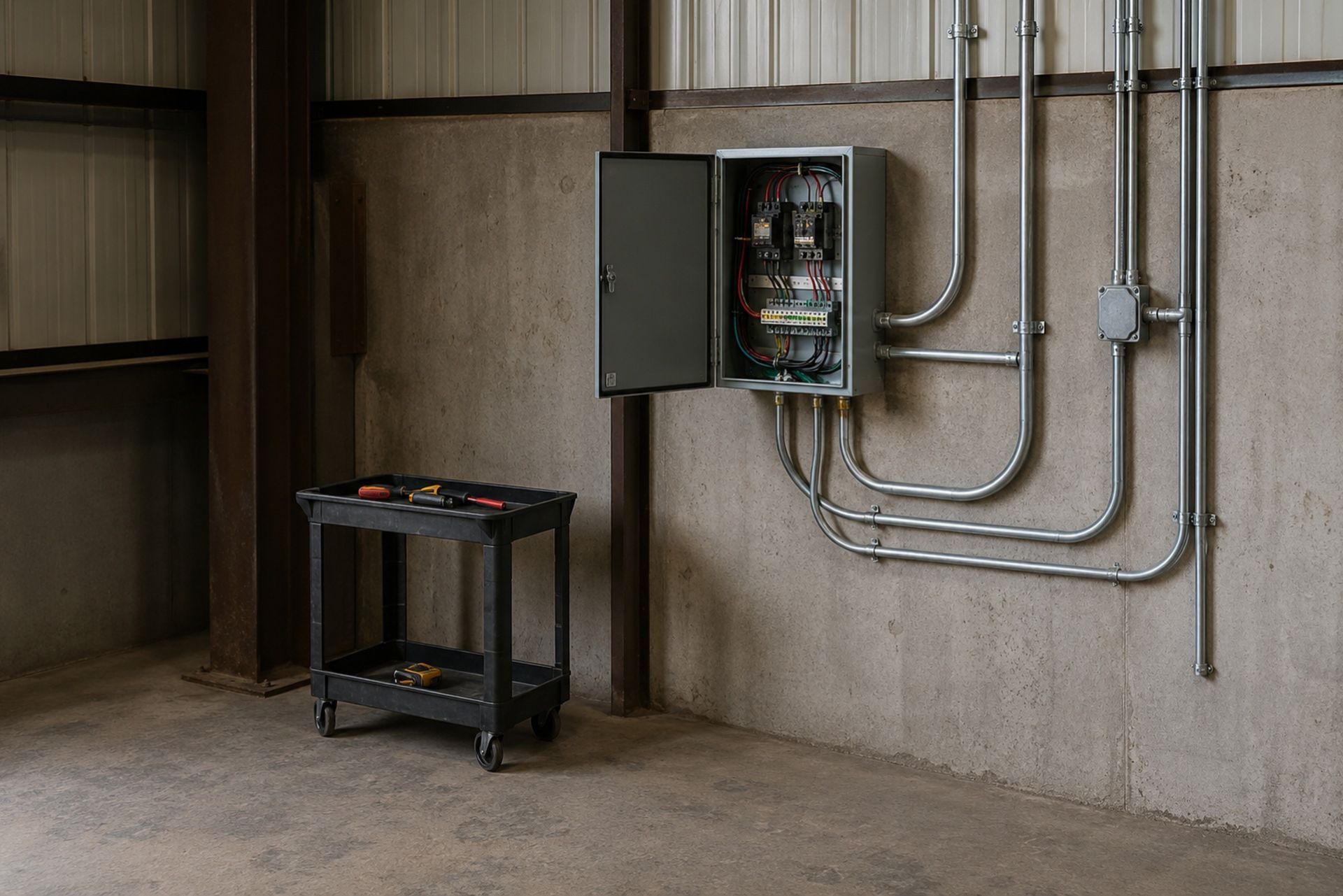
General liability (GL) is the foundation of every electrician's insurance program, and in Dallas, it carries extra weight. The volume of new construction and renovation work across the metro means you're constantly working in or near occupied properties, finished spaces, and high-value commercial buildings. A single accidental fire caused by a wiring fault during a tenant improvement project in Uptown can generate six-figure property damage claims before you've even packed up your tools.
Most GL policies for electricians in DFW carry per-occurrence limits of $1 million and aggregate limits of $2 million, but some general contractors on larger projects require $5 million or more in coverage. If you're bidding on municipal or institutional work in Dallas, expect to see those higher limits as a non-negotiable requirement. Your policy should also include completed operations coverage, which protects you if something you installed months ago causes a loss after you've left the job site.
One common mistake Dallas electricians make is assuming their GL policy covers faulty workmanship itself. It doesn't. GL covers the resulting damage from your work, not the cost to redo the work. That distinction matters when a panel you installed shorts out and damages a client's server room: the servers are covered, but replacing the panel comes out of your pocket.
Texas Workers' Compensation Requirements for Electricians
Texas is one of the few states where workers' compensation insurance isn't technically mandatory for private employers. That sounds like a cost savings, but it's a trap for electrical contractors. Without workers' comp, you lose your protection from employee lawsuits after workplace injuries, and in a trade where arc flash burns, falls from ladders, and electrical shock are real daily risks, that exposure is enormous.
Most general contractors in Dallas won't let you on their job site without a workers' comp certificate. The City of Dallas also requires it for many permitted projects. Even if you're a sole proprietor with no employees, carrying workers' comp can open doors to better contracts and protect you from subcontractor-related claims.
Premiums in Texas are based on your classification code, payroll, and experience modification rate (EMR). Electricians typically fall under NCCI class code 5190, and rates in the DFW area have been relatively stable through 2025-2026. Keeping a clean safety record and a low EMR is the single most effective way to reduce your workers' comp costs over time.
Commercial Auto and Inland Marine for Tools in Transit
Your service vans and the tools inside them represent a significant investment. A standard personal auto policy won't cover vehicles used for business purposes, and a commercial auto policy alone won't cover the specialized tools and equipment you carry. That's where inland marine coverage fills the gap.
Inland marine policies protect your tools, diagnostic equipment, wire stock, and materials while they're in transit, on a job site, or stored in your vehicle overnight. In Dallas, where tool theft from work vans is a persistent problem in neighborhoods across the metro, this coverage pays for itself fast. A typical electrician's tool loadout can easily exceed $15,000 to $30,000 in value.
For commercial auto, make sure your policy covers hired and non-owned vehicles if your crew occasionally uses personal trucks or you rent vehicles for larger projects. Dallas traffic consistently ranks among the worst in Texas, and rear-end collisions involving service vehicles are a frequent source of claims.

By: Michael Fusco
President of Joule Pro
INDEX
Joule Pro is a specialty insurance and risk program of Fusco Orsini & Associates Insurance Services, built exclusively for electrical contractors and licensed in 31 states.
We work with electrical firms across the country — from California, Texas, Florida, New York, and coast to coast — placing General Liability, Workers' Compensation, Commercial Auto, Inland Marine, Surety Bonds, Excess Liability, and full specialty coverage stacks for commercial, industrial, service, residential, and low-voltage electrical contractors. Joule Pro is not a separate licensed entity. It is a dedicated program structure inside Fusco Orsini, giving electrical contractors access to specialty carriers, in-house claims advocacy, and trade-specific risk engineering under one program.
Electrician Insurance By City
Electrician Insurance Coverage
Navigating Dallas Permitting and City Insurance Requirements
City of Dallas Certificate of Insurance (COI) Standards
Dallas has specific expectations for how your insurance documentation is formatted and what it must include. Roughly 40% of DIY insurance applications get rejected by the TDLR because the certificate of insurance lacks required language or proper formatting. The City of Dallas permitting office can be equally strict.
Your COI needs to list the City of Dallas as an additional insured on liability policies for most permitted work. The certificate holder information must match exactly what the city specifies, down to the address format. Getting this wrong delays your permit approval, which delays your project start date, which costs you money.
Working with a specialty program like Joule Pro, which handles insurance exclusively for licensed electrical contractors, means your COIs are generated correctly the first time. A generalist agent who writes policies for restaurants, retail stores, and the occasional contractor often doesn't know the specific endorsement language Dallas requires.
Surety Bonds and Licensing Compliance for Local Projects
Beyond insurance, Dallas electrical contractors need surety bonds to maintain their licenses and qualify for certain projects. The Texas Department of Licensing and Regulation (TDLR) requires electrical contractors to carry a surety bond, and the City of Dallas has its own bonding requirements for permitted work.
Surety bonds aren't insurance: they're a financial guarantee that you'll complete work according to code and contract terms. If you fail to do so, the bond pays the project owner, and then the bonding company comes after you for reimbursement. Bond amounts vary based on the project type and your license classification.
Keeping your bonding, licensing, and insurance aligned is critical. A lapse in any one of these can trigger a suspension of your ability to pull permits in Dallas, effectively shutting down your business until you get it sorted out.
Managing Local Risks: Extreme Weather and High-Density Construction
Addressing Storm and Hail Damage During Electrical Installs
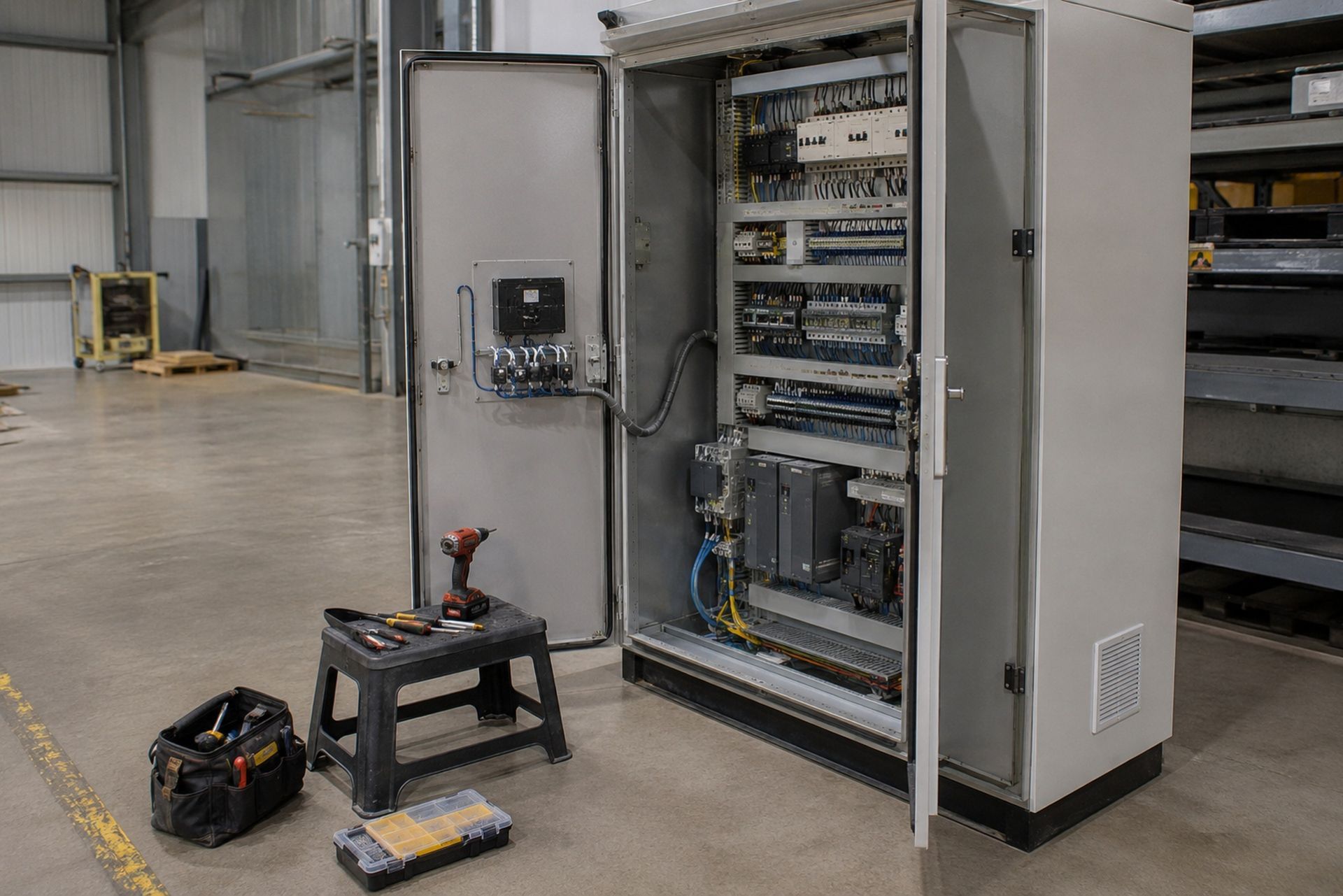
Dallas averages multiple significant hailstorms per year, and the spring severe weather season regularly produces wind events that can damage exposed electrical work on active job sites. If you're mid-install on a rooftop solar array or running conduit on an exterior wall when a storm rolls through, the damage to your work-in-progress and your client's property can be substantial.
Your builder's risk or installation floater coverage should account for weather-related losses during active projects. Many standard GL policies exclude damage to your own work caused by weather, so you need a separate policy or endorsement to cover materials and partially completed installations.
One practical step: check your policy's "property in your care, custody, or control" exclusion. This is the clause that often catches Dallas electricians off guard. If you're responsible for a client's electrical panel during a service upgrade and a storm surge fries it, your GL policy may not cover it without a specific endorsement.
Liability Concerns in Dallas High-Rise and Commercial Retrofits
The Dallas commercial construction market has been booming, with major projects in the Design District, downtown, and along the I-35 corridor. High-rise electrical work carries elevated liability because the consequences of errors are amplified: a wiring fault in a 30-story building affects more people and more property than the same fault in a single-family home.
Contractors working on commercial retrofits in older Dallas buildings also face risks from encountering outdated wiring, asbestos-containing materials, and non-standard electrical configurations. Your insurance program needs to account for the higher claim severity these projects carry. Some carriers won't write policies for electricians doing high-rise work at all, which brings us to the question of carrier appetite.
Carrier Appetite and Market Trends in North Texas
Preferred Carriers for Residential vs. Industrial Electricians
Not every insurance carrier wants to write electrician policies, and the ones that do often have strong preferences about what type of electrical work they'll cover. Residential service electricians are generally easier to place: the claim frequency and severity profile is lower, and most standard commercial carriers will write these risks.
Industrial and commercial electricians face a tighter market. Carriers evaluate your work type, project sizes, loss history, and safety programs before offering terms. Here's a quick comparison of how carrier appetite typically breaks down:
| Factor | Residential Electricians | Commercial/Industrial Electricians |
|---|---|---|
| Carrier availability | Broad: many options | Narrower: specialty markets preferred |
| Typical GL premium range | $1,500 - $4,000/year | $4,000 - $15,000+/year |
| Underwriting focus | Loss history, payroll | Project types, contract values, safety programs |
| Common exclusions | Pollution, EIFS | High-voltage, hazardous locations |
| Preferred experience | 2+ years | 5+ years with clean loss runs |
Joule Pro's specialty focus on electrical contractors means access to underwriter relationships specifically built for the trade, including markets that write higher-hazard commercial and industrial work that generalist agencies struggle to place.
Factors Influencing Premiums in the DFW Metroplex
Your premium in Dallas is driven by several local factors beyond your individual loss history. The DFW area's high claim frequency for auto accidents pushes commercial auto rates up. Hail and wind losses affect property-related coverages. And the sheer volume of construction activity means more aggregate exposure for carriers writing contractor policies in the region.
Your EMR, annual payroll, revenue, and the specific types of projects you take on all factor into your final premium. Electricians who maintain OSHA safety certifications and documented safety programs consistently get better rates. Carriers reward what they can measure, so keeping clean records of your safety training, job site audits, and incident reports gives underwriters confidence to offer competitive terms.
Optimizing Coverage and Reducing Long-Term Insurance Costs
The cheapest policy isn't the best policy, but overpaying for coverage you don't need isn't smart either. The goal is right-sized coverage that matches your actual risk profile.
Start by auditing your current policies annually. As your business grows or shifts focus, say from residential service to commercial new construction, your coverage needs change. A policy that worked when you had two employees and three service vans may leave dangerous gaps when you're running crews on a $2 million tenant improvement project.
Bundle your GL, workers' comp, commercial auto, and inland marine through a single program when possible. Joule Pro offers a full contractor coverage stack designed specifically for electricians, which simplifies administration and often produces better overall pricing than piecing together policies from multiple carriers. Having a single licensed producer who understands electrical trade risks handle your quotes, binders, and certificates eliminates the back-and-forth that wastes your time.
Invest in loss prevention. Every claim you avoid keeps your EMR low and your premiums manageable for years. Simple steps like requiring arc-flash PPE, locking tool compartments, and using dashcams in service vehicles pay dividends that compound over time.
FAQ
Do I need workers' comp in Texas if I have no employees? Technically no, but many GCs and the City of Dallas require it for permitted work. Carrying it also protects you from subcontractor injury claims.
How much does general liability insurance cost for a Dallas electrician? Residential electricians typically pay $1,500 to $4,000 per year. Commercial and industrial contractors can expect $4,000 to $15,000 or more depending on project types and payroll.
What happens if my COI gets rejected by the Dallas permitting office? Your permit application stalls until you submit a corrected certificate. This can delay project start dates by days or weeks.
Does my GL policy cover tool theft from my van? No. You need an inland marine or tools and equipment policy to cover tools stolen from vehicles or job sites.
Can I get insurance if I've had prior claims? Yes, but your options narrow and premiums increase. Working with a specialty program that has relationships with multiple carriers gives you the best chance of finding competitive coverage despite a claims history.
If you're ready to get your Dallas electrical contracting business properly covered, reach out to Joule Pro for a quote tailored to your specific trade risks and project types.

Founder & CEO
The Force Behind the Program
About the Author:
Michael Fusco.
Fusco Orsini & Associates
Joule Pro exists because Mike Fusco saw electrical contractors getting boilerplate insurance — and built a program designed for the way the trade actually works.
Mike is the CEO and co-founder of Fusco Orsini & Associates, the San Diego–based independent agency he launched in 2010. Under his leadership FOA has grown into a nationwide partner serving clients across 31 states, with a personal, client-first approach to commercial insurance and risk.
With over 20 years in insurance and risk management, he specializes in tailored programs spanning general liability, workers' compensation, surety bonding, and employee benefits — helping owners confidently manage risk and pursue growth.
Mike holds a B.S. in Business from the University of Maryland — Robert H. Smith School of Business, and the Certified Insurance Counselor (CIC) designation, held by fewer than 3% of insurance professionals nationwide.
Trusted by Electrical Contractors Across the Country.
Select your state for electrical contractor insurance. Get requirements, cost ranges, and more information for your business.
Alabama
Arkansas
Louisiana
Kentucky
New Hampshire
Vermont
Rhode Island
Massachusetts
N. Dakota
S. Dakota
Oklahoma
Delaware
What Our Clients Say
Trusted by Electrical Contractors Across the Country.
5.0
★★★★★
Google reviews
Core Commercial Coverage
Business Insurance for Electrical Contractors.
The fundamentals — written, structured, and priced for electrical risk. Each line is reviewed annually by an underwriter who only writes our trade.
01
General Liability
Premises & completed-operations coverage with electrical-specific endorsements and full pollution carve-back options.
02
Workers' Compensation
Class-code optimization, experience-mod review, and return-to-work programs designed for energized-work exposures.
03
Commercial Auto
Fleet, hired & non-owned auto, and tools-in-transit coverage written for service vans and bucket trucks.
04
Tools & Equipment
Scheduled and blanket coverage for tools, test equipment, scissor lifts, and contractor's equipment on-site or in-transit.
05
Surety Bonds
Bid, performance, and payment bonds — single-job and aggregate programs for commercial & public-works contracts.
06
Commercial Property
Layered limits up to $50M with carrier panels covering your shop, warehouse, yard, and on-premises tools, materials, and equipment.
Who We Serve
Electrical Contractors We Specialize In.
From $5M service shops to $250M industrial primes — every Joule Pro program is shaped to the contractor's revenue mix and project profile.
01 / Industrial
Commercial & Industrial Electrical Contractors
High-voltage, substation, and plant electrical work. Pollution, builder's risk, and large-deductible WC programs.
02 / Service
Service & Residential Electrical Contractors
Service-call shops, panel upgrades, and EV charging installers. Auto-fleet, GL, and tool-coverage programs.
03 / Low-Voltage
Specialty & Low-Voltage Contractors
Data, fire-alarm, security, and BMS controls. Cyber, professional liability, and follow-form excess.
Frequently Asked Questions
Common
Questions From
Electrical Contractors.
What size electrical contractors do you write?
Joule Pro is built for licensed electrical firms from roughly $2M in revenue to $250M+. Below $2M we typically refer to our small-business desk; above $250M we underwrite individually with our industrial practice team.
Do I need to be licensed in multiple states?
No. We license you wherever you work. Joule Pro is admitted in 31 states and our compliance team handles multi-state filings, prevailing-wage endorsements, and certificate-of-insurance requirements.
How is Joule Pro different from a generic contractor program?
Generic programs use a contractor's questionnaire that treats you like a roofer. We use forms written for energized work, arc-flash exposures, and design-build risk — and our carriers price accordingly.
What does the claims process actually look like?
Every Joule Pro client is assigned a named claims advocate at bind. They take the FNOL, set strategy with your assigned attorney, and serve as your single point of contact through close.
Can you bond large public-works contracts?
Yes. Through our surety partners we write single-job bonds up to $75M and aggregate programs to $300M, with expedited turnarounds for school district, federal, and DOT work.
What happens at renewal?
Your producer and claims advocate jointly run a renewal review 90 days out — covering loss trends, exposure changes, and market alternatives — so renewal day is a confirmation, not a surprise.
From the Blog
Insights for Electrical Contractors.
Risk briefings, claim post-mortems, and program updates — written by our underwriters and risk engineers.


Get Started
Get a Quote on a Program Built Around Your Trade.
A 30-minute discovery call is the only commitment. You'll leave with a written gap analysis of your current program — yours to keep, whether you bind with us or not.