Business Insurance
Gillette, WY Electrician Insurance
★★★★★ 150+ Five-Star Reviews · Google & Facebook
Underwriting Preferences for Residential vs. Industrial Projects
Gillette sits at the intersection of Wyoming's energy economy and its wide-open weather extremes, which makes running an electrical contracting business here different from just about anywhere else. Whether you're pulling wire in a coal mine substation or rewiring a ranch house on the outskirts of town, the risks you face are specific to this corner of Campbell County. Getting the right insurance coverage for Gillette electricians means understanding local permitting rules, the unique hazards of the energy sector, and which carriers actually want to write policies in northeast Wyoming. Most generic insurance guides skip these details entirely, so this one won't. If you're a licensed electrical contractor working in or around Gillette, this is the coverage guide built for your reality: local permitting requirements, city-specific risks, and the carrier appetite that determines what you'll actually pay.
Core Insurance Requirements for Gillette Electrical Contractors
Every electrical contractor in Gillette needs a baseline stack of coverage before taking on a single job. The specifics of what you carry, and how much, depend on whether you're a one-person residential shop or a 30-person crew handling industrial projects. But the foundation is the same.
General Liability and Property Damage Standards
General liability is your first line of defense. It covers third-party bodily injury and property damage claims, which in electrical work can escalate fast. A faulty panel installation that causes a house fire, a tripped breaker that damages a client's equipment, or even a customer tripping over your tool bag on a job site: these are all GL claims.
Most Gillette general contractors and property managers require electricians to carry at least $1 million per occurrence and $2 million aggregate in general liability. Industrial and energy-sector clients often push that to $5 million or require umbrella policies on top. If you're bidding on any commercial or government work in Campbell County, expect to provide a certificate of insurance before you set foot on site.
One common mistake I see is contractors buying the cheapest GL policy available without checking exclusions. Policies written for general contractors sometimes exclude electrical work specifically, or they carve out coverage for work performed on energized systems. A program like Joule Pro, which is built exclusively for licensed electrical contractors, avoids these gaps because the policy forms are designed around what electricians actually do.
Wyoming Workers' Compensation State Fund Compliance
Wyoming handles workers' comp differently than most states. The state operates its own fund through the Wyoming Department of Workforce Services, and private insurers can't write standalone workers' comp policies here. Every employer must participate in the state fund.
The good news: Wyoming's workers' comp rates have been trending downward. The state proposed a 12% overall decrease in workers' compensation base rates for 2025, with specific classification codes seeing even larger reductions. Electrical contractors fall under classification codes that reflect the physical hazards of the trade, so your rates will be higher than an office worker's, but lower than they were a few years ago.
Even if you're a sole proprietor, carrying workers' comp protects you from catastrophic out-of-pocket costs if an employee gets hurt. And most general contractors in Gillette won't let you on their job site without proof of coverage.
Commercial Auto and Inland Marine for Tool Protection
Your work van and the tools inside it are probably worth more than you think. A fully loaded service truck with meters, conduit benders, wire pullers, and diagnostic equipment can easily represent $30,000 to $50,000 in gear. Standard commercial auto policies cover the vehicle, but they typically exclude or severely limit coverage for tools and equipment stored inside.
That's where inland marine coverage comes in. Inland marine protects your tools, equipment, and materials whether they're in your truck, on a job site, or in transit between the two. For Gillette electricians who travel between residential jobs, energy facilities, and commercial sites across Campbell County, this coverage is essential.
Commercial auto itself needs to match your actual operations. If you have employees driving company vehicles, make sure your policy includes hired and non-owned auto coverage as well. A single accident in an employee's personal vehicle while on company business can create liability headaches that last years.

By: Michael Fusco
President of Joule Pro
INDEX
Joule Pro is a specialty insurance and risk program of Fusco Orsini & Associates Insurance Services, built exclusively for electrical contractors and licensed in 31 states.
We work with electrical firms across the country — from California, Texas, Florida, New York, and coast to coast — placing General Liability, Workers' Compensation, Commercial Auto, Inland Marine, Surety Bonds, Excess Liability, and full specialty coverage stacks for commercial, industrial, service, residential, and low-voltage electrical contractors. Joule Pro is not a separate licensed entity. It is a dedicated program structure inside Fusco Orsini, giving electrical contractors access to specialty carriers, in-house claims advocacy, and trade-specific risk engineering under one program.
Electrician Insurance By City
Electrician Insurance Coverage
Navigating Gillette Permitting and Bonding Regulations
City of Gillette Electrical Permit Insurance Verification
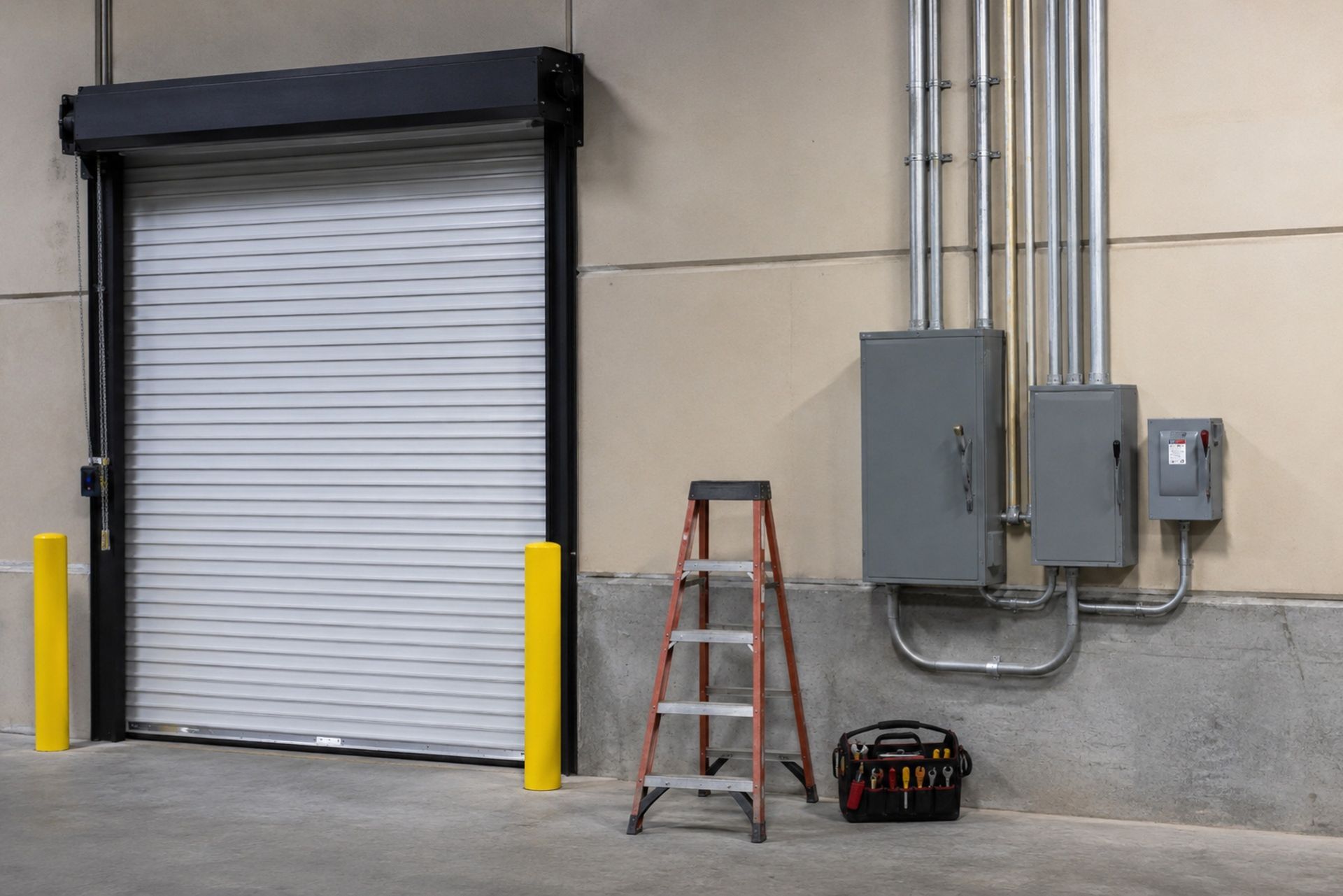
The City of Gillette requires electrical permits for most wiring work, and the permit process includes insurance verification. You'll need to show proof of general liability coverage before the city issues a permit. This isn't a suggestion: it's a hard requirement, and inspectors will check.
Gillette's building department follows the National Electrical Code with local amendments, and the permitting office coordinates with the state electrical board to verify your license status. If your insurance lapses, your permits can be suspended, which means active jobs grind to a halt. Setting up automatic certificate delivery through your insurance provider prevents this from becoming a problem.
Surety Bonds vs. Insurance: Understanding Local Requirements
Surety bonds and insurance serve different purposes, and Gillette requires both in certain situations. A surety bond guarantees that you'll complete contracted work and follow local codes. Insurance protects against accidents and damages. They're not interchangeable.
Wyoming requires electrical contractors to carry a surety bond as part of the state licensing process. The bond amount varies, but it's separate from your liability coverage. Here's the key distinction:
| Surety Bond | Insurance Policy | |
|---|---|---|
| Protects | The client/public | Your business |
| Pays claims to | Third parties harmed by your failure to perform | Third parties injured or damaged by your work |
| Cost | Typically 1-3% of bond amount annually | Based on payroll, revenue, and risk factors |
| Required by | State licensing board, sometimes city | Clients, GCs, and lenders |
You need both. Don't assume your GL policy satisfies your bonding requirement or vice versa.
Addressing Campbell County Industry-Specific Risks
High-Voltage Risks in Coal Mining and Energy Sectors
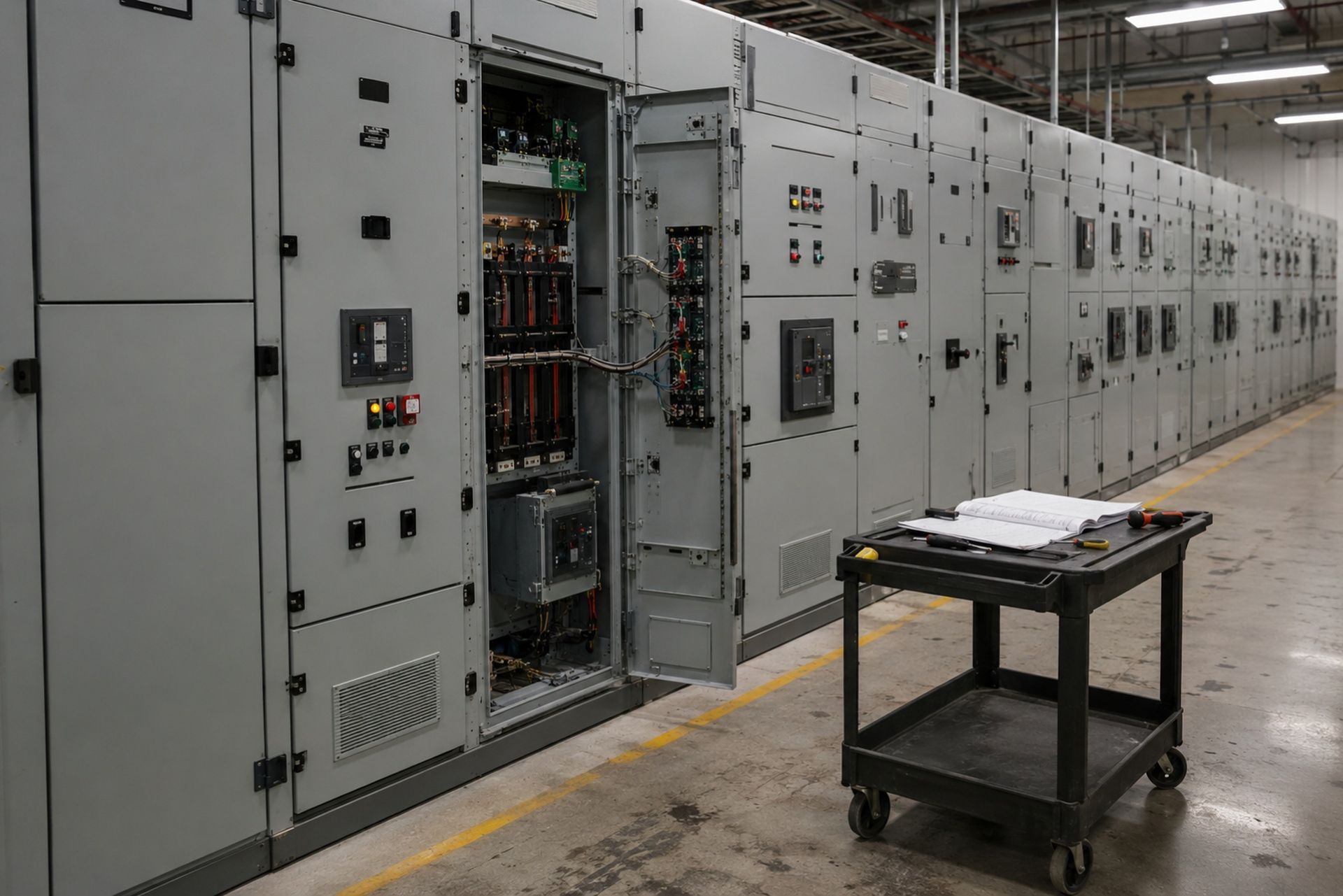
Campbell County produces more coal than any other county in the United States. The Powder River Basin's mines and energy infrastructure create a steady demand for electrical contractors who can handle high-voltage systems, switchgear, and industrial controls. This work pays well, but it carries risk profiles that make some insurance carriers nervous.
High-voltage electrical work in mining environments involves arc flash exposure, confined space entry, and work around heavy equipment. Claims in this space tend to be severe: we're talking six- and seven-figure injury claims, not minor property damage. Your insurance program needs to reflect this. Standard GL policies with low aggregate limits won't cut it on most mine sites.
If you're doing energy-sector work, expect clients to require contractor-specific endorsements, higher limits, and sometimes pollution liability coverage. Joule Pro's specialty markets and underwriter relationships are built around these exact scenarios, which matters when a generalist agency might struggle to find a carrier willing to write the policy at all.
Extreme Weather Hazards and Business Interruption
Gillette's weather is no joke. Winter temperatures regularly drop below negative 20°F, and wind gusts can exceed 60 mph. These conditions create real risks for electrical contractors: frozen conduit, wind-damaged service entrances, and ice-related vehicle accidents are common winter claims.
Business interruption coverage protects your revenue when weather shuts down job sites for extended periods. A week of dangerous wind chill can halt outdoor work entirely, and if you're carrying payroll for a crew that can't work, the financial hit adds up fast. Most standard policies don't include business interruption automatically, so you'll need to add it as an endorsement.
Spring and summer bring hail and lightning storms that can damage equipment and vehicles. Make sure your inland marine and commercial auto policies cover weather-related losses without excessive deductibles.
Carrier Appetite and Market Trends in Northeast Wyoming
Preferred Carriers for Residential vs. Industrial Electricians
Carrier appetite: that's insurance industry shorthand for which companies actually want to write your type of policy. Not every carrier is eager to insure electricians in a rural Wyoming energy market, and the ones that do often distinguish sharply between residential and industrial work.
Residential electricians in Gillette generally have an easier time finding coverage. The risk profile is lower, claims frequency is moderate, and several regional carriers actively write these policies. If your work is mostly panel upgrades, service calls, and new construction wiring in subdivisions, you'll have options.
Industrial and energy-sector electricians face a tighter market. Fewer carriers want the exposure, and those that do charge accordingly. Specialty programs that focus on electrical contractors, like Joule Pro, maintain relationships with underwriters who understand the trade and are willing to write policies that generalist agencies can't place. This is where having a producer who knows the electrical trade makes a real difference in both coverage quality and premium cost.
Factors Influencing Premium Costs in the Gillette Market
Several factors drive what you'll pay for coverage in Gillette:
- Revenue and payroll size directly affect GL and workers' comp premiums
- The split between residential and commercial/industrial work matters: industrial work costs more to insure
- Your claims history over the past three to five years is the single biggest factor in renewal pricing
- Whether you perform work on energized systems versus de-energized systems affects underwriter risk assessment
- The number of vehicles and drivers on your commercial auto policy
One thing that surprises many Gillette contractors: your credit history can influence premium pricing in Wyoming. Carriers use insurance scores as part of their underwriting, so maintaining clean financials helps keep costs down.
Strategic Risk Management and Policy Optimization
Smart risk management goes beyond buying policies. It means structuring your coverage so that each piece works together without gaps or expensive overlaps. Review your policies annually, especially if your revenue mix shifts between residential and industrial work. A 20% increase in energy-sector revenue can trigger a mid-term audit and premium adjustment if your carrier isn't prepared for it.
Train your crew on safety protocols that directly reduce claims. Arc flash training, proper lockout/tagout procedures, and defensive driving courses don't just prevent injuries: they give you ammunition to negotiate better rates at renewal. Carriers reward contractors who can demonstrate a genuine safety culture.
Bundle your GL, commercial auto, inland marine, and umbrella policies where possible. A single carrier or program that handles your full coverage stack reduces administrative headaches and often comes with package discounts.
FAQ
Do I need insurance to pull an electrical permit in Gillette? Yes. The City of Gillette requires proof of general liability insurance before issuing electrical permits. Your coverage must be active and verifiable.
Can I buy private workers' comp insurance in Wyoming? No. Wyoming operates a state-managed workers' compensation fund. All employers must participate through the Wyoming Department of Workforce Services.
How much does general liability cost for a Gillette electrician? Premiums vary widely based on revenue, work type, and claims history. A small residential shop might pay $2,000 to $4,000 annually, while an industrial contractor could pay $10,000 or more.
Does my commercial auto policy cover tools stolen from my truck? Usually not, or only up to a very low limit. You need an inland marine policy to properly cover tools and equipment in transit or on job sites.
What's the difference between a surety bond and liability insurance? A surety bond protects the public if you fail to meet contractual obligations. Liability insurance protects your business from claims related to accidents and damages caused by your work.
The Kanawha Valley floods. It has always flooded, and despite improvements to flood control infrastructure, properties along the river and in low-lying areas remain vulnerable. Electricians working in flood-damaged buildings face unique hazards: waterlogged panels, corroded wiring, and contaminated environments that increase the risk of injury and property damage claims.
If you're doing post-flood electrical restoration work, your general liability policy needs to account for environmental exposure. Some policies exclude pollution-related claims, which can include mold remediation situations where your electrical work intersects with environmental cleanup. Ask your agent specifically about pollution liability endorsements. The 2016 flood that devastated parts of the Kanawha Valley was a stark reminder that these aren't hypothetical risks for Charleston electricians: they're recurring realities.
Not every insurance company wants to write electrician policies. The trade carries higher risk than, say, a painting contractor, and many standard market carriers either decline electrical contractors outright or price them out of the market. In Kanawha County, the carriers with the strongest appetite for electrical contractor risks tend to be specialty or excess and surplus lines companies.
If your firm handles high-voltage installations, industrial controls, or utility-scale work, the underwriting process gets more detailed. Carriers want to see your safety program documentation, employee training records, OSHA logs, and a clean claims history. Experience with specific voltage thresholds matters: work above 600 volts triggers additional scrutiny from most underwriters.
Industrial electrical contractors in the Charleston area, particularly those serving the chemical plants along the Kanawha River or the power generation facilities nearby, should expect underwriters to request three to five years of loss runs and detailed descriptions of their largest completed projects. Having this documentation organized before you start the quoting process saves weeks of back-and-forth.
Your Next Steps
Getting electrician insurance right in Gillette means matching your coverage to the specific risks of working in Campbell County's energy-driven economy. Don't settle for a generic policy that wasn't designed for electrical contractors. Review your current coverage against the requirements outlined here, and if you find gaps, talk to a producer who specializes in the electrical trade. Joule Pro offers direct access to licensed insurance professionals who understand the unique demands of your work, from residential service calls to high-voltage mine installations. Reach out for a quote tailored to your Gillette operations and make sure your next policy actually fits the work you do.

Founder & CEO
The Force Behind the Program
About the Author:
Michael Fusco.
Fusco Orsini & Associates
Joule Pro exists because Mike Fusco saw electrical contractors getting boilerplate insurance — and built a program designed for the way the trade actually works.
Mike is the CEO and co-founder of Fusco Orsini & Associates, the San Diego–based independent agency he launched in 2010. Under his leadership FOA has grown into a nationwide partner serving clients across 31 states, with a personal, client-first approach to commercial insurance and risk.
With over 20 years in insurance and risk management, he specializes in tailored programs spanning general liability, workers' compensation, surety bonding, and employee benefits — helping owners confidently manage risk and pursue growth.
Mike holds a B.S. in Business from the University of Maryland — Robert H. Smith School of Business, and the Certified Insurance Counselor (CIC) designation, held by fewer than 3% of insurance professionals nationwide.
Trusted by Electrical Contractors Across the Country.
Select your state for electrical contractor insurance. Get requirements, cost ranges, and more information for your business.
Alabama
Arkansas
Louisiana
Kentucky
New Hampshire
Vermont
Rhode Island
Massachusetts
N. Dakota
S. Dakota
Oklahoma
Delaware
What Our Clients Say
Trusted by Electrical Contractors Across the Country.
5.0
★★★★★
Google reviews
Core Commercial Coverage
Business Insurance for Electrical Contractors.
The fundamentals — written, structured, and priced for electrical risk. Each line is reviewed annually by an underwriter who only writes our trade.
01
General Liability
Premises & completed-operations coverage with electrical-specific endorsements and full pollution carve-back options.
02
Workers' Compensation
Class-code optimization, experience-mod review, and return-to-work programs designed for energized-work exposures.
03
Commercial Auto
Fleet, hired & non-owned auto, and tools-in-transit coverage written for service vans and bucket trucks.
04
Tools & Equipment
Scheduled and blanket coverage for tools, test equipment, scissor lifts, and contractor's equipment on-site or in-transit.
05
Surety Bonds
Bid, performance, and payment bonds — single-job and aggregate programs for commercial & public-works contracts.
06
Commercial Property
Layered limits up to $50M with carrier panels covering your shop, warehouse, yard, and on-premises tools, materials, and equipment.
Who We Serve
Electrical Contractors We Specialize In.
From $5M service shops to $250M industrial primes — every Joule Pro program is shaped to the contractor's revenue mix and project profile.
01 / Industrial
Commercial & Industrial Electrical Contractors
High-voltage, substation, and plant electrical work. Pollution, builder's risk, and large-deductible WC programs.
02 / Service
Service & Residential Electrical Contractors
Service-call shops, panel upgrades, and EV charging installers. Auto-fleet, GL, and tool-coverage programs.
03 / Low-Voltage
Specialty & Low-Voltage Contractors
Data, fire-alarm, security, and BMS controls. Cyber, professional liability, and follow-form excess.
Frequently Asked Questions
Common
Questions From
Electrical Contractors.
What size electrical contractors do you write?
Joule Pro is built for licensed electrical firms from roughly $2M in revenue to $250M+. Below $2M we typically refer to our small-business desk; above $250M we underwrite individually with our industrial practice team.
Do I need to be licensed in multiple states?
No. We license you wherever you work. Joule Pro is admitted in 31 states and our compliance team handles multi-state filings, prevailing-wage endorsements, and certificate-of-insurance requirements.
How is Joule Pro different from a generic contractor program?
Generic programs use a contractor's questionnaire that treats you like a roofer. We use forms written for energized work, arc-flash exposures, and design-build risk — and our carriers price accordingly.
What does the claims process actually look like?
Every Joule Pro client is assigned a named claims advocate at bind. They take the FNOL, set strategy with your assigned attorney, and serve as your single point of contact through close.
Can you bond large public-works contracts?
Yes. Through our surety partners we write single-job bonds up to $75M and aggregate programs to $300M, with expedited turnarounds for school district, federal, and DOT work.
What happens at renewal?
Your producer and claims advocate jointly run a renewal review 90 days out — covering loss trends, exposure changes, and market alternatives — so renewal day is a confirmation, not a surprise.
From the Blog
Insights for Electrical Contractors.
Risk briefings, claim post-mortems, and program updates — written by our underwriters and risk engineers.


Get Started
Get a Quote on a Program Built Around Your Trade.
A 30-minute discovery call is the only commitment. You'll leave with a written gap analysis of your current program — yours to keep, whether you bind with us or not.